Duke Bakery Nutrition Info Prices Singapore 2026
The honest duke bakery nutrition info position is simple: Duke Bakery publishes no calorie, protein, carbohydrate, fat, or sodium figures for any of its breads. What it does publish is a health philosophy, the three lows, and this guide explains exactly what that means and which loaves fit it best, without inventing a single number.
Does Duke Bakery publish nutrition information?
No, it doesn’t. The chain’s website, blog, and in-store materials carry no nutrition panels, no calorie counts, and no macro breakdowns for its loaves, buns, toasts, cakes, or cookies. That’s unusual for a chain that leans so hard on a health message, but it’s the verified position, and this article respects it.
That means every table in this guide shows nutrition status, not nutrition numbers. Where a value would normally sit, you’ll see “Not published” instead of a made-up figure. If you need exact numbers for medical or dietary reasons, the only honest route is asking the outlet directly, since even the head office contact ([email protected]) publishes no nutrition sheet.
| Nutrition field | Published by Duke Bakery? | What this guide shows |
|---|---|---|
| Calories | No | Not published |
| Protein | No | Not published |
| Carbohydrates | No | Not published |
| Fat | No | Not published |
| Sodium | No | Not published |
| Sugar | No figures, philosophy only | Low sugar goal |
What does Duke Bakery say about sugar, fat, and calories?
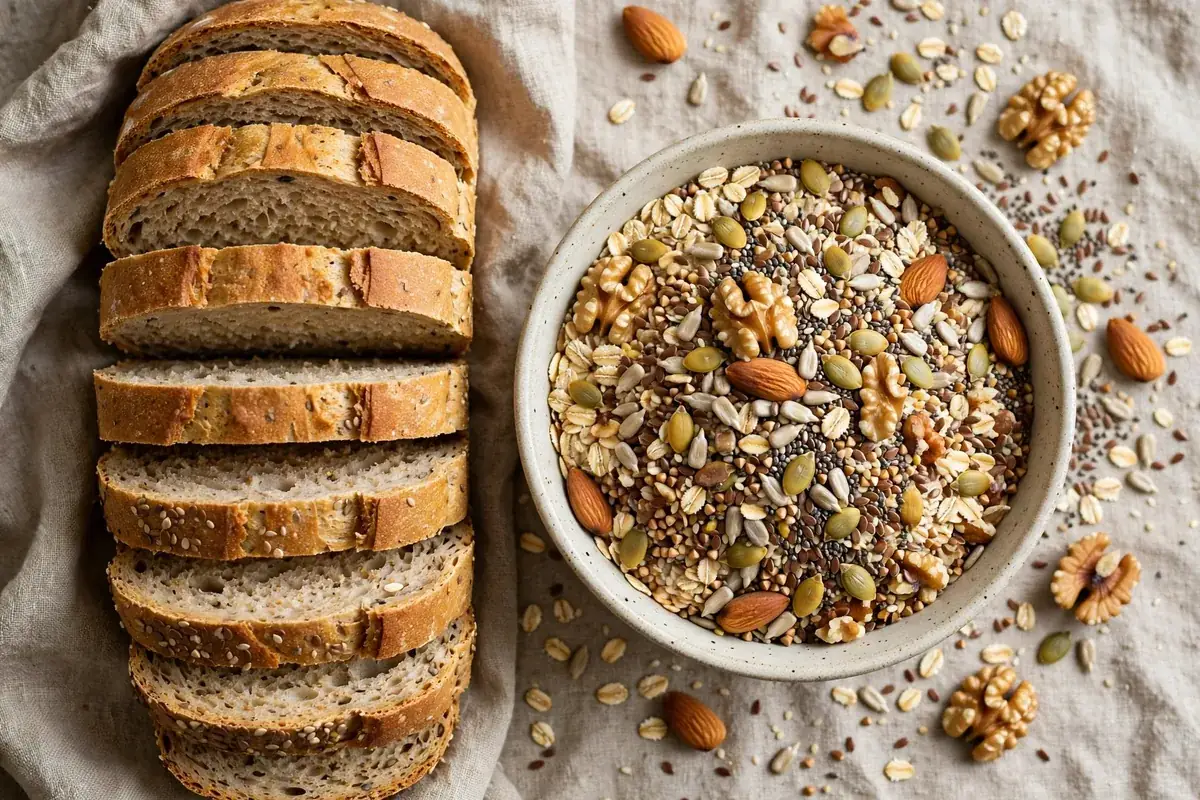
The chain states its goal as the three lows: low sugar, low fat, and low calories, without giving up flavour. That’s a positioning statement, not a measurement, and it’s worth reading that way. It tells you what the bakers aim for, not how many grams are in a slice.
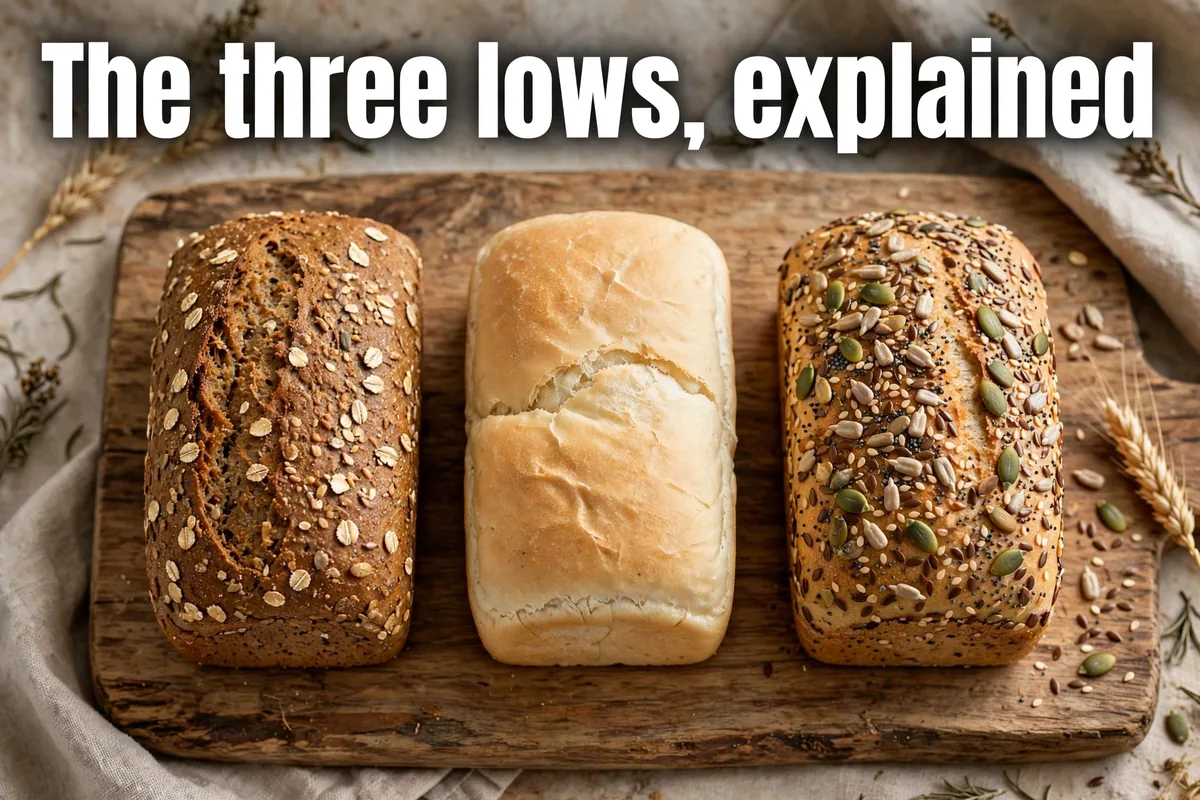
Two more claims are concrete. The breads use natural yeast from fermented fruits, which gives the soft, chewy crumb reviewers keep noticing. And the chain skips margarine and trans fat entirely. Both points matter for anyone choosing bread on ingredients rather than numbers, and both are stated by the chain itself, not inferred here.
The three lows, explained
Low sugar means the loaves lean savoury or gently sweet rather than frosted-sweet. Low fat pairs with the no-margarine rule. Low calories is the vaguest of the three, since no calorie figures back it, so treat it as a direction of travel, not a diet claim. Together, they explain why Duke Bakery bread tastes cleaner than a typical sweet bun.
Natural yeast and what it means for your loaf
Natural yeast from fermented fruits ferments more slowly than commercial yeast, and that slow ferment is what gives Duke Bakery bread its light, chewy crumb. It also means the breads are baked fresh daily and sell out by late afternoon, since nothing here is built for a long shelf life. Freshness is part of the health story, even if it isn’t a nutrient.
Which Duke Bakery loaves are the healthier picks?
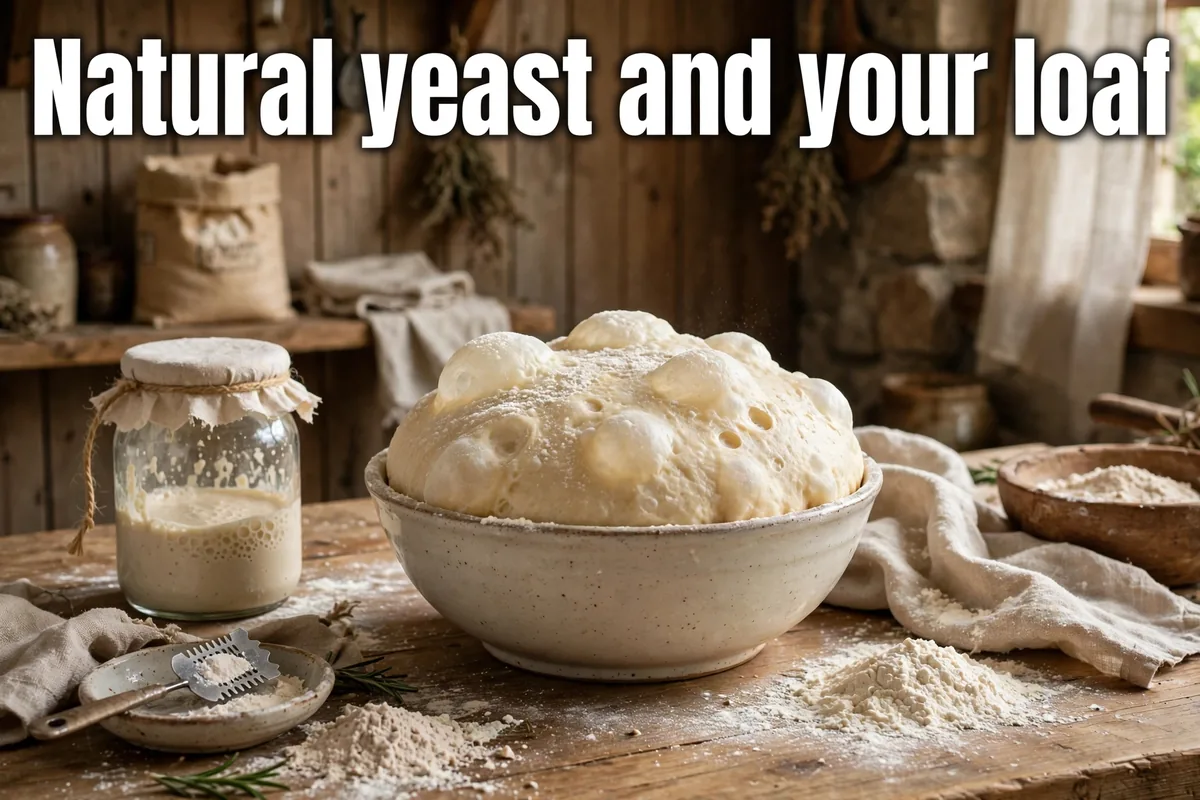
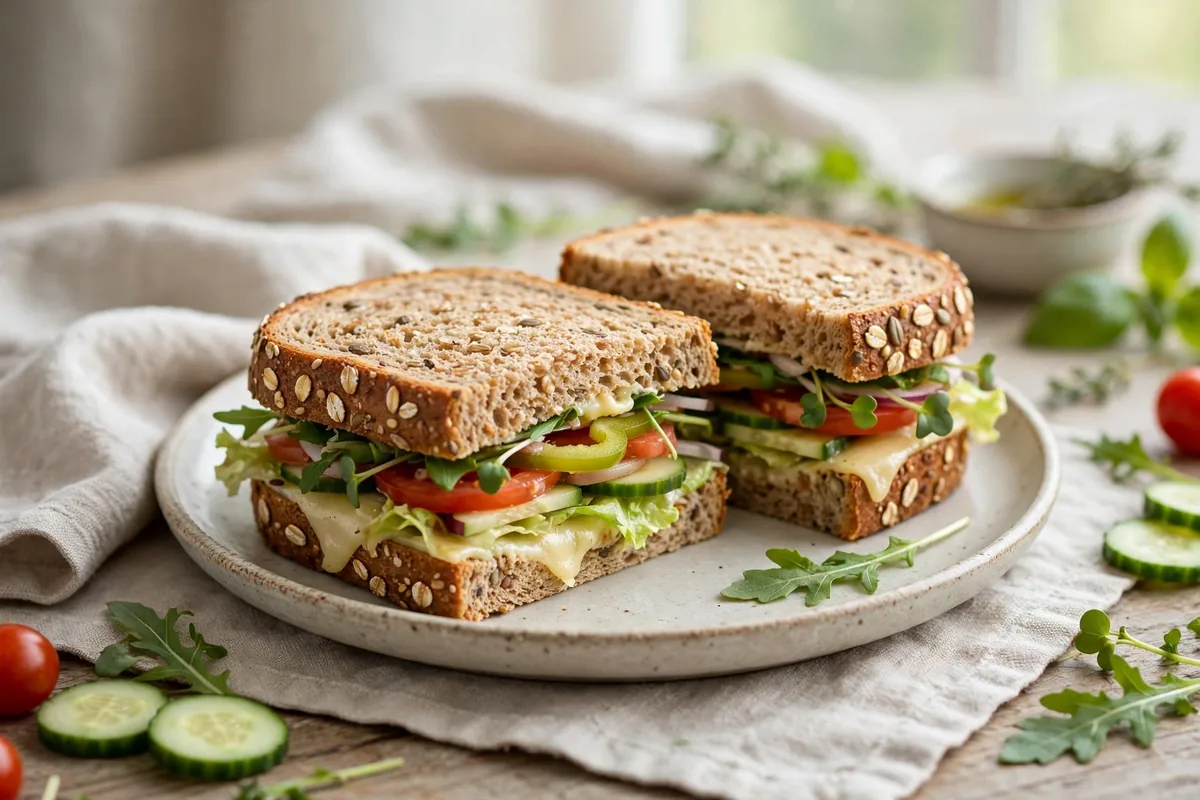
Without numbers, the sensible guide is the chain’s own healthy range. The wholegrain and multigrain corner is where the three lows live most convincingly: seeded, grainy loaves with visible fibre, rather than cheese-loaded or chocolate-filled ones. The Super Energy 12 is the standout here, with purple rice, five-grain rice, nuts, and seeds in one hearty bun, at a verified S$5.50.
The rest of the healthy shelf follows the same logic. Healthy Flaxseed, Sourdough Loaf, Quinoa Walnut, and Chinese Wolfberry Loaf are all named in the chain’s healthy range, while the signature cheese and chocolate loaves sit firmly in treat territory. For budget-friendly picks in the same range, the Duke Bakery cheapest items guide ranks the verified low-price options.
| Healthier pick | Why it fits | Price note |
|---|---|---|
| Super Energy 12 | Multigrain with purple rice, grains, nuts, and seeds | S$5.50 |
| Healthy Flaxseed | Flaxseed loaf from the healthy range | In store |
| Sourdough Loaf | Naturally fermented, plain and versatile | In store |
| Quinoa Walnut | Quinoa and walnut wholegrain loaf | In store |
| Chinese Wolfberry Loaf | Wolfberry wholegrain loaf from the healthy range | In store |
How do you read a Duke Bakery loaf without a nutrition label?
Use your eyes and the ingredient story. Seedy, grainy, plain-looking loaves are the safer bets for a lighter choice, while cheese-filled, chocolate-filled, and heavily glazed loaves are treats, however good they taste. Ask the staff what’s in a loaf before you buy, since outlets offer tasting samples and staff can usually talk through the fillings.
Portion sense matters more than label maths here. A thick slice of a dense multigrain loaf fills you up longer than two slices of a light sweet bun, and toasting brings out flavour without adding anything. If you need exact figures for a medical diet, don’t guess from this guide: contact the outlet or the head office first, and check the Duke Bakery menu card guide for the full range before you go.

Duke Bakery nutrition info FAQ
Does Duke Bakery publish nutrition information?
No. It publishes no calorie, protein, carbohydrate, fat, or sodium figures for its breads, so this guide carries no numeric nutrition data.
What does Duke Bakery say about its bread and health?
The chain states its goal as the three lows: low sugar, low fat, and low calories, made with natural yeast from fermented fruits, and no margarine or trans fat.
Which Duke Bakery loaves are the healthier picks?
The wholegrain corner: Super Energy 12, Healthy Flaxseed, Sourdough Loaf, Quinoa Walnut, and Chinese Wolfberry Loaf, all described by the chain as part of its healthy range.
Is Duke Bakery bread low calorie?
The chain positions its bread as lower in calories than typical sweet buns, but it publishes no calorie figures, so no exact claim can be verified.
Does Duke Bakery bread contain trans fat?
No. The chain states that its breads skip margarine and trans fat.