Gochi-So Shokudo Halal Certified
The halal question about Gochi-So Shokudo has a short, plain answer, and this page gives it first instead of burying it. Gochi-So Shokudo is not halal certified in Singapore. That is the position stated by restaurant guides for its outlets, and it fits the menu, which is built on Iberico pork. If you eat halal, this chain is not for you, and the last section points you to a halal alternative with a similar casual, affordable style.
Is Gochi-So Shokudo halal certified?
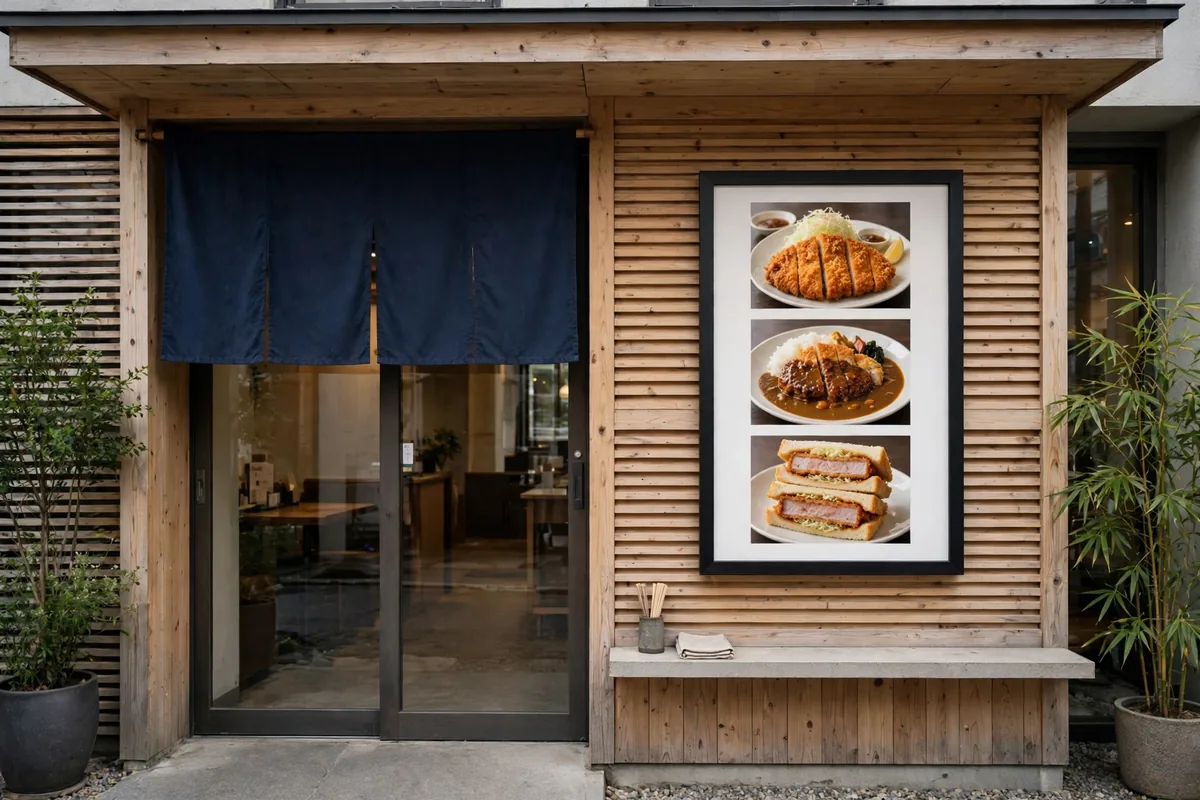
No. A Bedok Mall restaurant guide states directly that Gochi-So Shokudo is not halal certified, noting that some ingredients used do not comply with halal requirements, and a separate Singapore menu guide answers the same question with a plain no. The chain does not display a MUIS halal certificate at its outlets in listings, and no MUIS certificate number for Gochi-So Shokudo is published in the guides we checked. Certification can change, so if you ever see a certificate displayed at an outlet, that display would override this page, but as of this guide the answer is no.
| Question | Answer | Source |
|---|---|---|
| Halal certified? | No | Bedok Mall guide and Singapore menu guide, both checked 27 October 2026. |
| MUIS certificate shown? | None found | No certificate number appears in outlet listings or guides. |
| Pork on the menu? | Yes | Iberico pork katsu, pork donburi and pork char siew are signatures. |
| Any halal outlet? | None found | No guide lists a halal-certified Gochi-So Shokudo outlet. |
Why is Gochi-So Shokudo not halal?
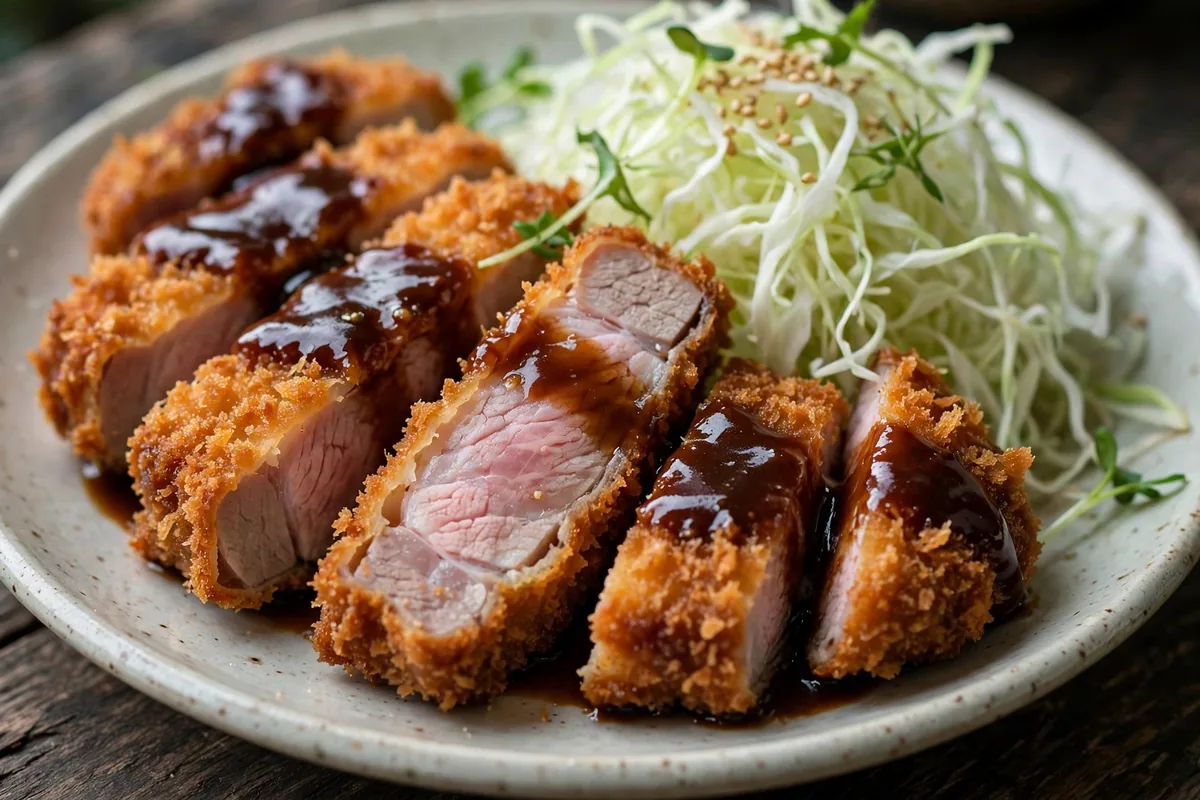
The menu is the reason, and it is not a close call. Gochi-So Shokudo exists to serve Iberico pork: the chain’s parent company is the largest importer and supplier of Iberico pork in Singapore, and its outlets are judged on pork loin katsu, collar mille feuille, Iberico jowl rice and Iberico char siew. A restaurant whose core product is pork cannot hold halal certification, and the Bedok Mall guide says exactly that some ingredients do not comply with halal requirements. This is not a case of a mixed menu with one pork dish tucked away. Pork is the point of the place.
Which signature dishes are pork-based?
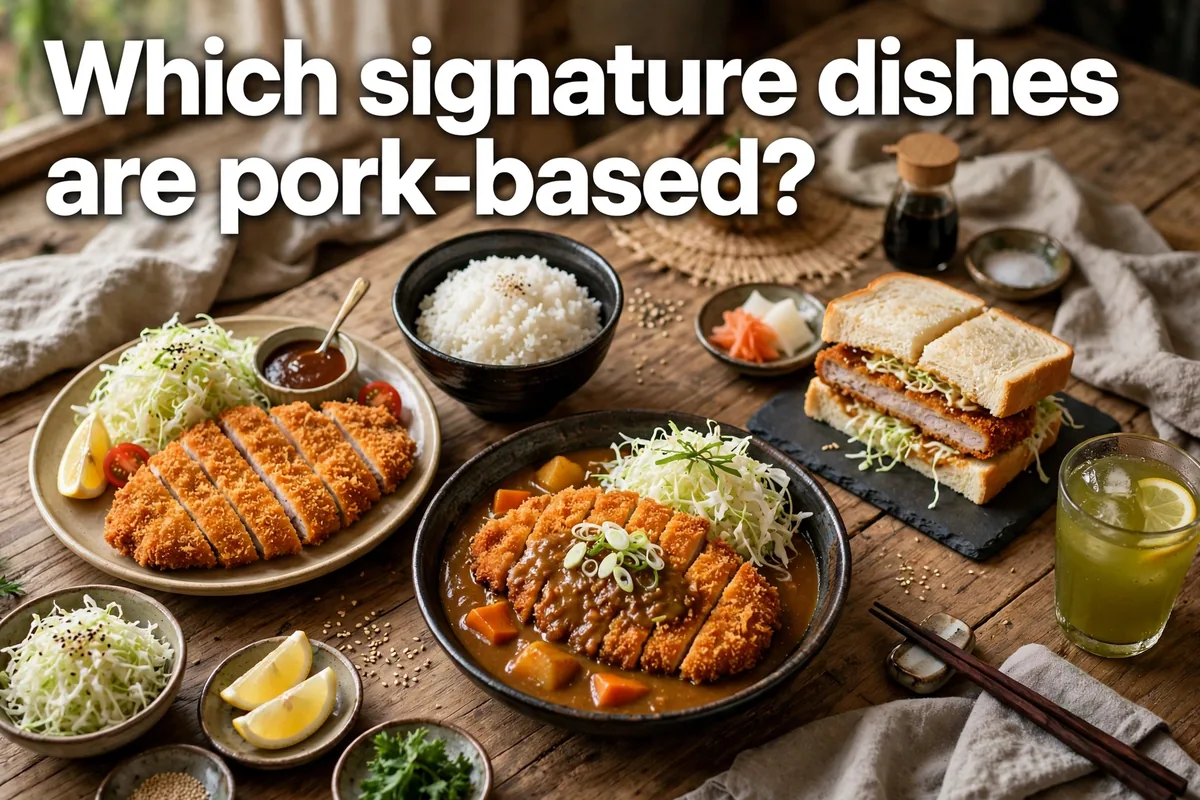
Almost every dish the chain is known for. The Iberian Pork Donburi Set, the Gochi-So Set built around the pork spread, the Iberico katsu curries, the Iberico jowl rice and the Iberico char siew are all pork. Even the set trimmings sit in a pork kitchen, with shared counters and cooking areas. A diner who avoids pork for religious reasons has no safe harbour on this menu, and that is worth stating without softening.
Does the chain ever claim halal status?
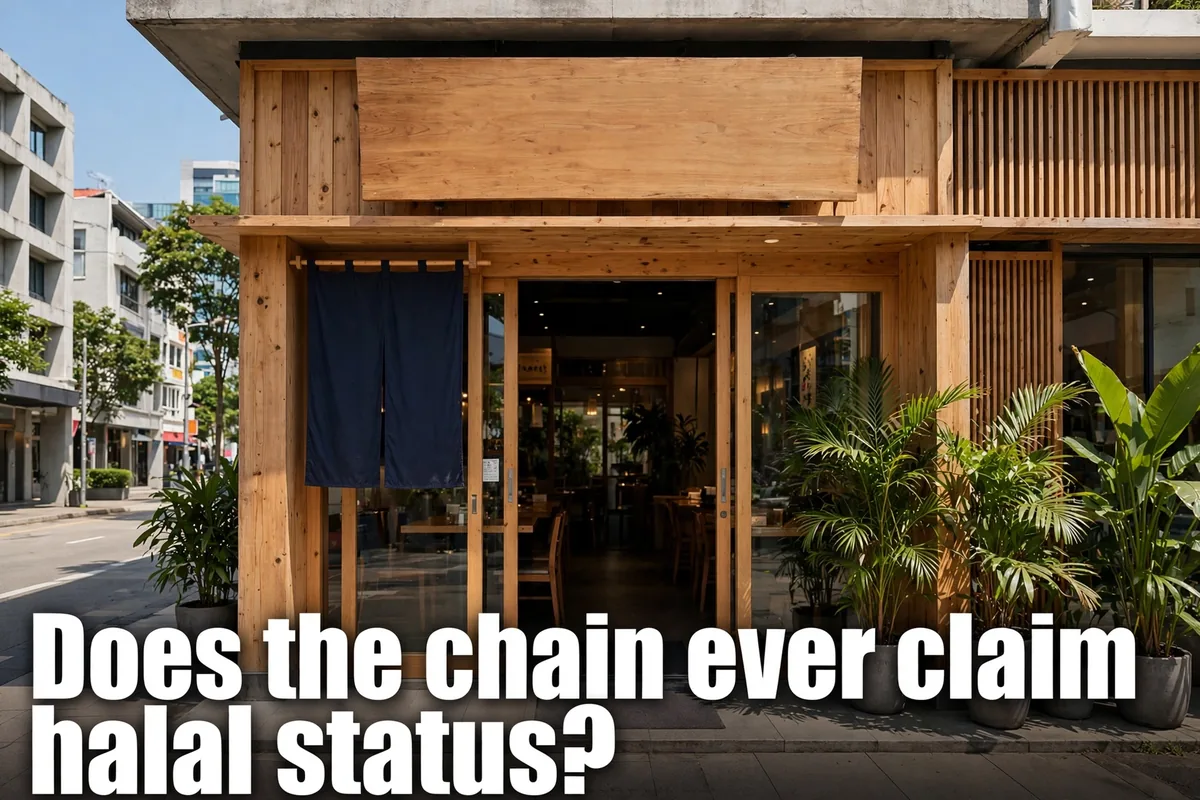
We found no such claim. The chain’s own pages describe Japanese casual dining built on Iberico pork, and its social posts promote pork dishes, festive pork sets and pork delivery bundles. Nothing in its marketing suggests halal certification, and the guides that cover the question answer it with no. If a third-party listing ever labels an outlet halal, treat that listing as an error unless a MUIS certificate is displayed at the outlet itself.
Can Muslim diners eat anything at Gochi-So Shokudo?
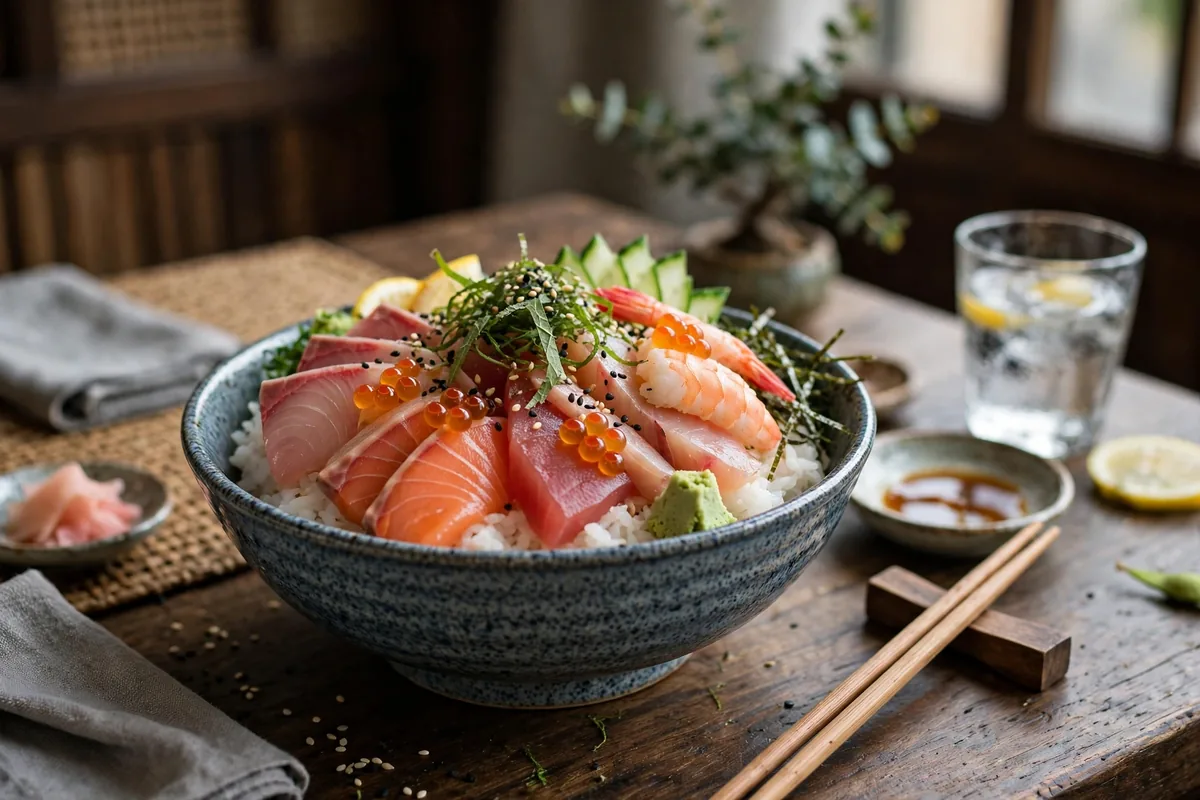
Honestly, no item here can be called halal, and that includes the Kaisen Donburi. The seafood bowl contains no pork itself, but halal eating is about certification and kitchen practice, not just the ingredients in one bowl. A non-certified kitchen that handles pork daily, shares counters and serves pork sets cannot offer a halal meal, and we will not dress up the seafood donburi as an exception. Muslim diners who eat with friends at Gochi-So Shokudo would be eating in a pork restaurant, and most will prefer to pick a certified place instead. Drinks, plain rice and miso soup carry the same problem, since they are served from the same uncertified kitchen.
For mixed groups. If your group includes Muslim diners, choose a halal-certified restaurant for the whole table rather than asking one person to sit out the meal. The alternative below is certified, casual and priced in the same affordable band, so nobody has to compromise on the outing.
Where can Muslim diners go instead?
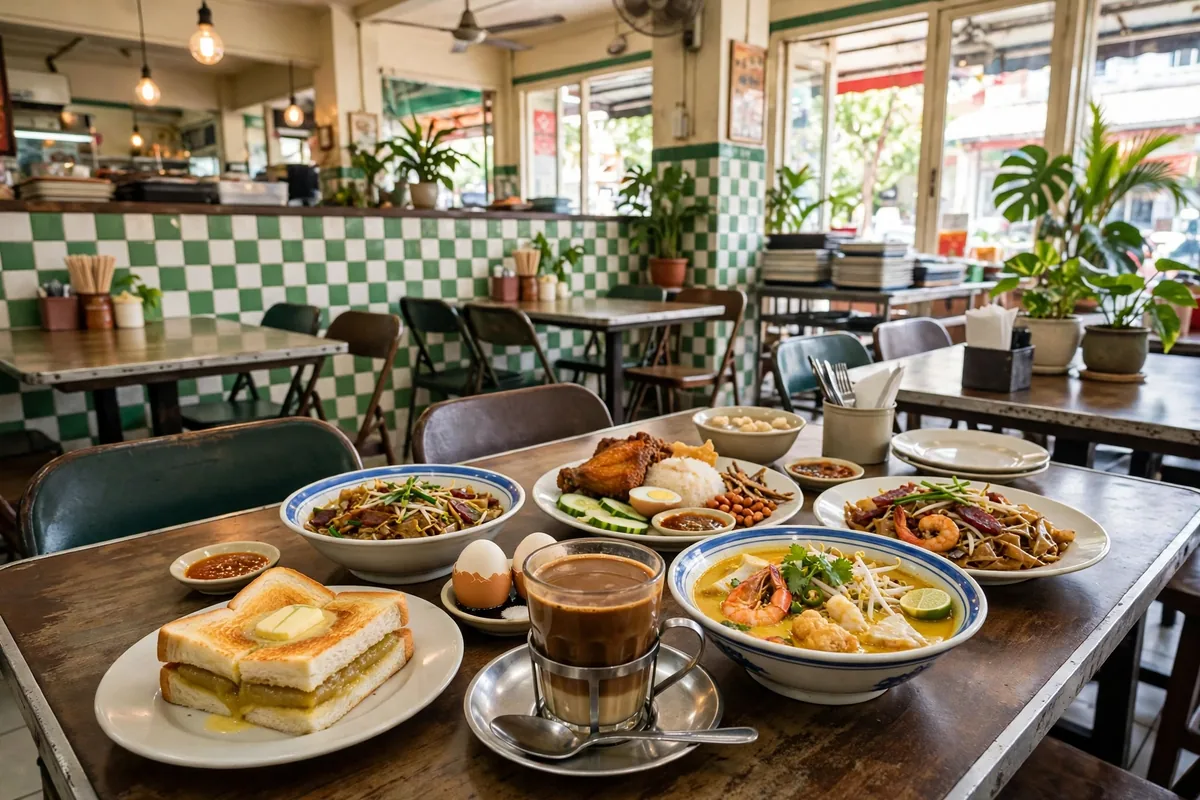
Heavenly Wang is the natural alternative. It is the halal-certified branch of Wang Cafe, launched in 2012 to serve the same Nanyang kopi and toast tradition with a halal range, and it now runs more than 30 locations across Singapore, including hospitals, malls and Changi Airport. Its menu covers kaya butter toast sets, kopi and teh, soft-boiled eggs, mee siam, laksa and curry chicken, with most items under S$10 in guides. Halal guides list its outlets as halal certified, and its own brand description calls it a halal-certified branch. As with any chain, check the MUIS certificate display at your chosen outlet, since certification is held per outlet, but the chain-level position is clear and long-standing.
| Alternative | Why it fits | Price guide |
|---|---|---|
| Heavenly Wang | Halal-certified Wang Cafe branch, kaya toast, kopi, local dishes | Mostly under S$10 |
| Other halal Japanese spots | Ask for the MUIS certificate at the outlet before ordering | Varies |
Gochi-So Shokudo halal FAQ
Straight answers on the halal questions readers ask most.
Is Gochi-So Shokudo halal certified?
No. Guides state that Gochi-So Shokudo is not halal certified in Singapore, and its signature dishes are pork-based.
Why is Gochi-So Shokudo not halal?
Its menu is built on Iberico pork katsu, pork donburi and pork char siew, and guides note that some ingredients do not comply with halal requirements.
Can Muslim diners eat the seafood donburi at Gochi-So Shokudo?
No item at Gochi-So Shokudo can be called halal, because the restaurant is not halal certified and its kitchen handles pork.
What is a halal alternative with a similar casual style?
Heavenly Wang is the halal-certified branch of Wang Cafe, serving kaya toast, kopi and local dishes in more than 30 locations across Singapore.