Jollibean Nutrition Info Prices Singapore 2026
Read this first, because it changes how you should use every number below: Jollibean publishes no official nutrition table. Nothing in this guide is Jollibean’s own data, and any site that prints exact Jollibean calories without saying so is dressing up a guess. The figures here are clearly labelled estimates for typical soy-based equivalents, and they are useful for comparing choices, not for tracking a medical diet to the calorie. If you need exact numbers, ask the outlet staff about your item before you order.
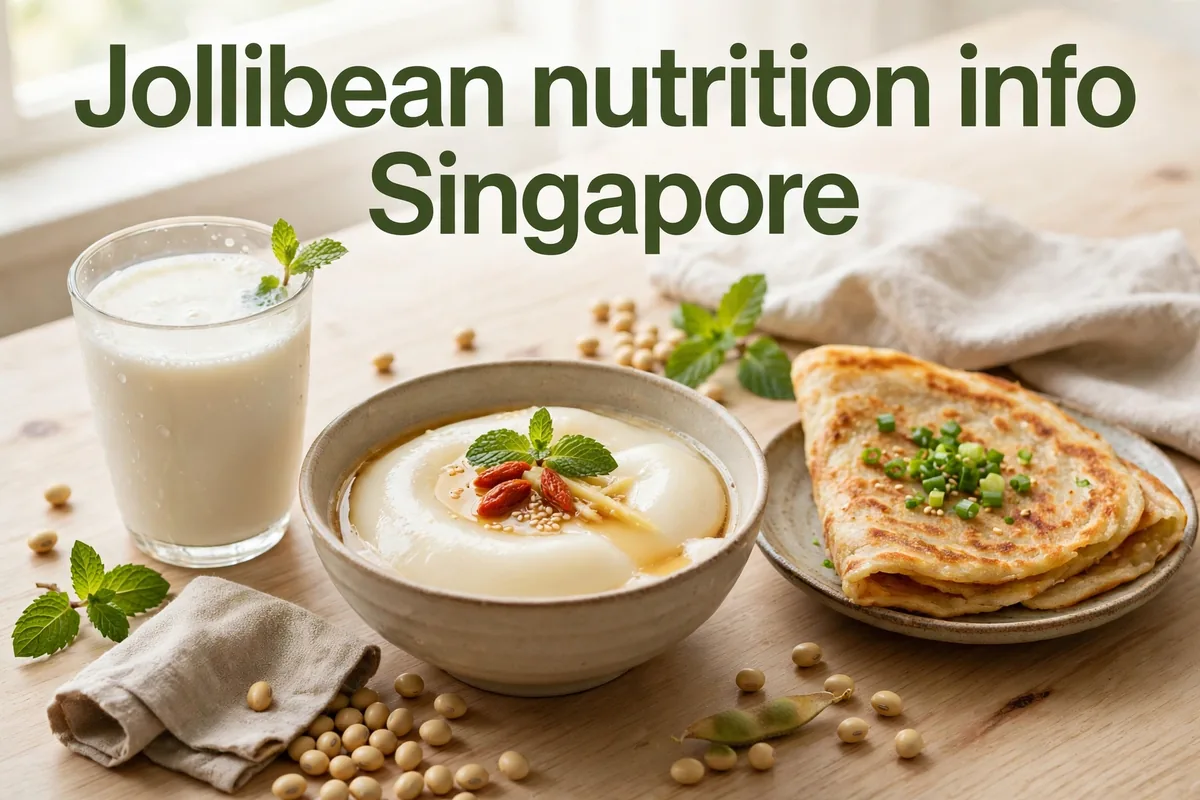
Quick answer: Jollibean nutrition info Singapore is hard to pin down because Jollibean publishes no official nutrition table, so the honest version of this guide works with labelled estimates: an unsweetened soy drink runs roughly 80 to 100 kcal per cup, soy beancurd roughly 100 to 150 kcal, and sweetened or filled items run higher. Guide prices start at SGD 2.70 for peanut or red bean Mee Chiang Kueh, with classic soy drink at SGD 3.20, but third-party listings conflict, so check the in-store card before you order. For the full chain menu, see the Jollibean menu guide.
What Jollibean nutrition info Singapore actually publishes?
As far as public sources show, none. Jollibean’s story is about its beans, Grade A non-GMO single-variety IP Canadian soy beans, used since 1995, and its menu of soy drinks, beancurd, Mee Chiang Kueh pancakes, mini rolls and soy waffles. That heritage tells you the base ingredient is soy, but it’s not a nutrition panel, and it says nothing about sugar levels, portion sizes or calories per item. So this guide does two things at once: it keeps the ingredient facts that are real, and it labels every calorie figure as an estimate so you can compare choices without being misled.
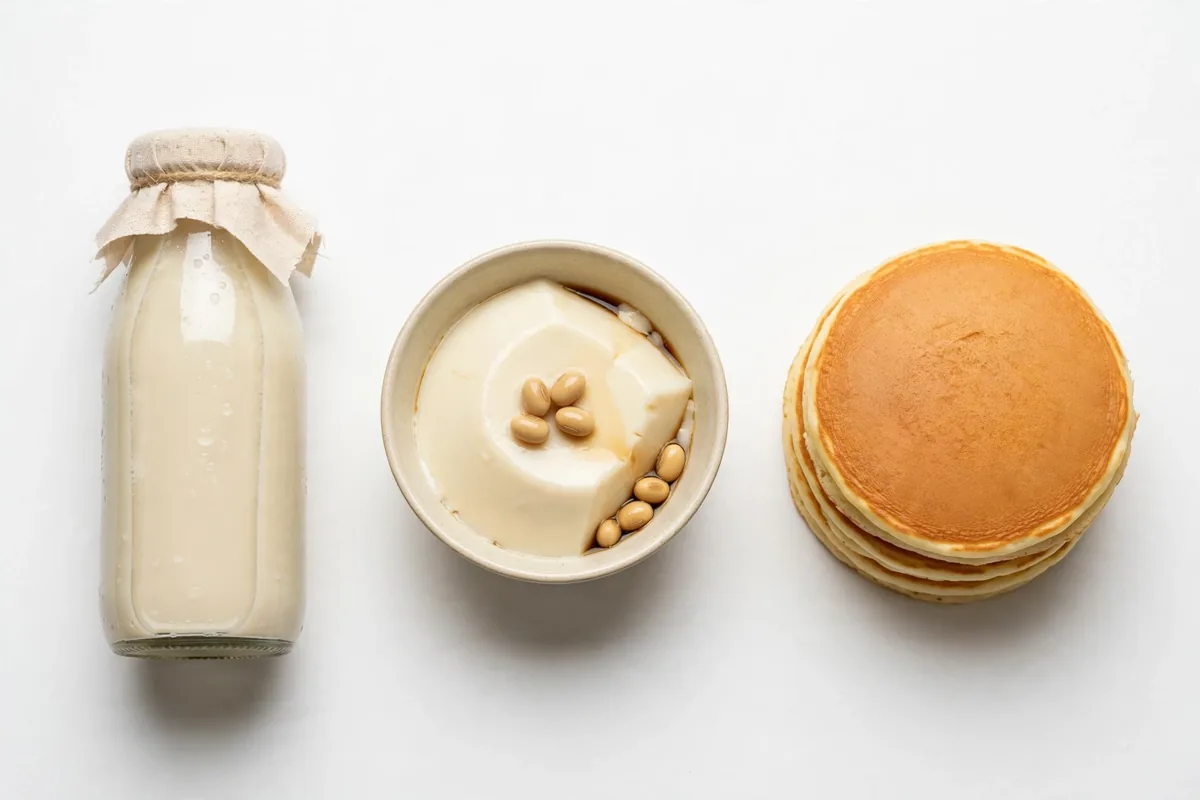
Menu card guide for this section. Prices are reported guide prices, so check the in-store card before ordering.
That gap matters more than it sounds. A soy drink can be a light, protein-rich pick or a sweet dessert drink depending on sweetness, flavouring and toppings, and without an official table you can’t tell from the menu board alone. The sections below separate what is known, the soy base and the guide prices, from what is estimated, the calorie ranges, so you can order with your eyes open. And since the chain has shrunk from more than 30 outlets to a handful, check your outlet is still open before travelling.
How many calories are in Jollibean soy drinks and beancurd?
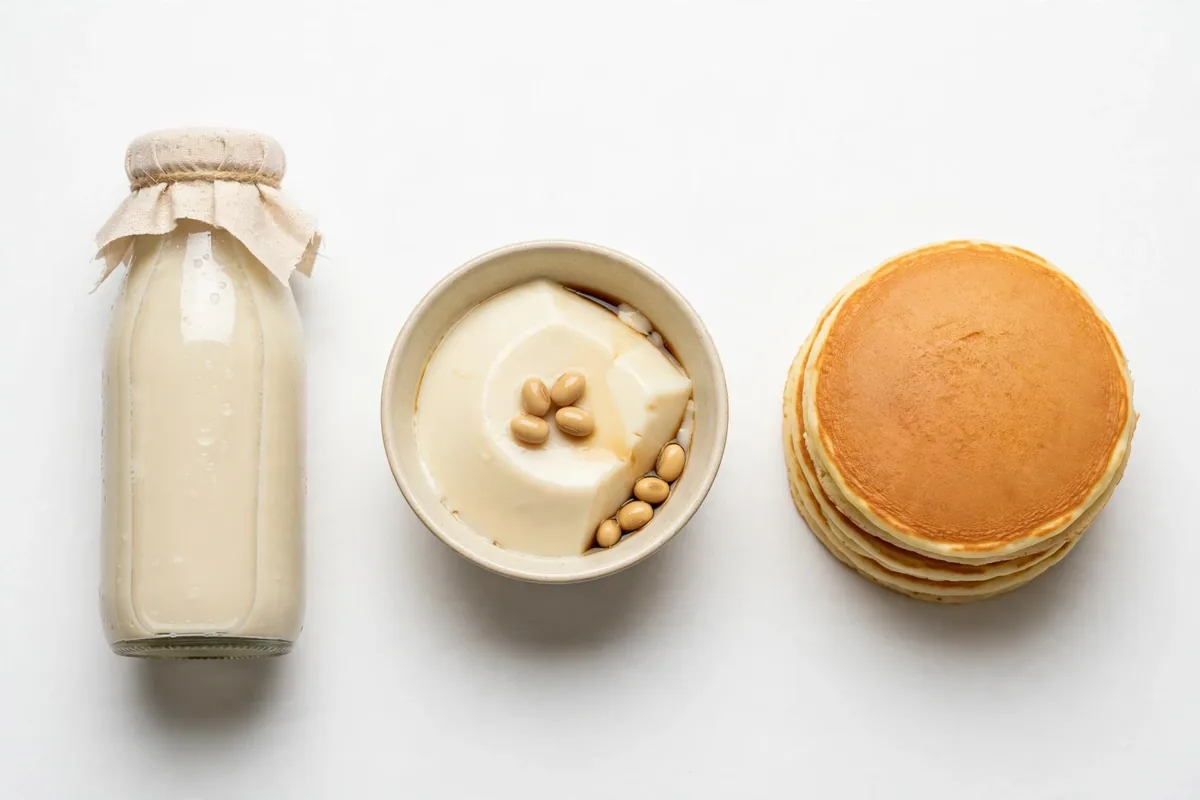
Here are the estimates, with the honesty label attached: an unsweetened soy drink runs roughly 80 to 100 kcal per cup, a sweetened soy drink runs higher depending on how much sugar goes in, and a bowl of soy beancurd runs roughly 100 to 150 kcal before syrup or toppings. Flavoured drinks, chewy pearls and grass jelly add-ins push the total up further, and a filled waffle sits at the heavier end of the menu because of its filling and batter. Treat these as ranges for typical soy-based equivalents, not as Jollibean’s numbers, and treat any single exact figure you see elsewhere with suspicion.
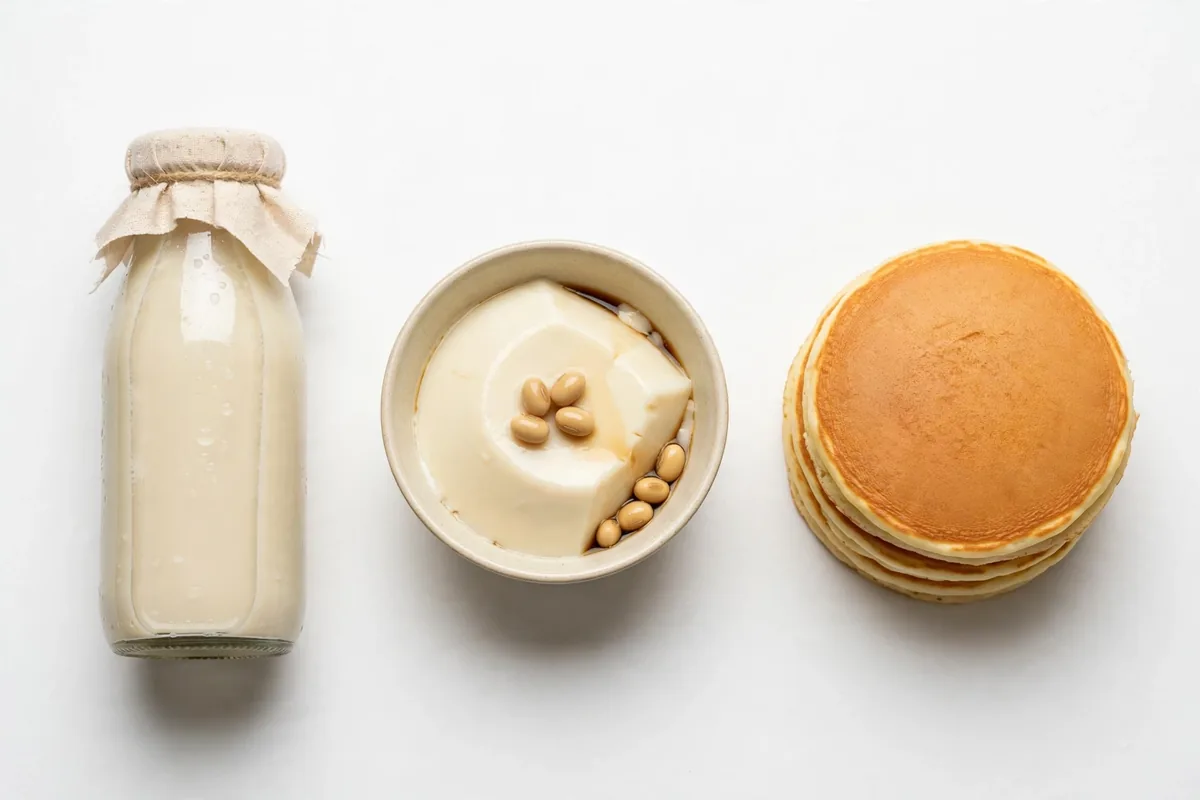
Menu card guide for this section. Calorie figures are estimates for typical soy-based equivalents, not Jollibean published data.
| Item | Estimated calories | Guide price |
|---|---|---|
| Classic soy drink, unsweetened (per cup) | Roughly 80 to 100 kcal | SGD 3.20 |
| Classic soy drink, sweetened (per cup) | Higher, depends on sugar level | SGD 3.20 |
| Soy beancurd (per bowl) | Roughly 100 to 150 kcal | SGD 2.80 |
| Mee Chiang Kueh, peanut or red bean | Heavier than a plain drink, filling adds sugar | SGD 2.70 |
| Mini rolls | Varies by filling and pack size | SGD 4.20 to 4.80 |
| Soy waffle / cream cheese soy waffle | Heaviest end of this guide | SGD 7.10 / 9.20 |
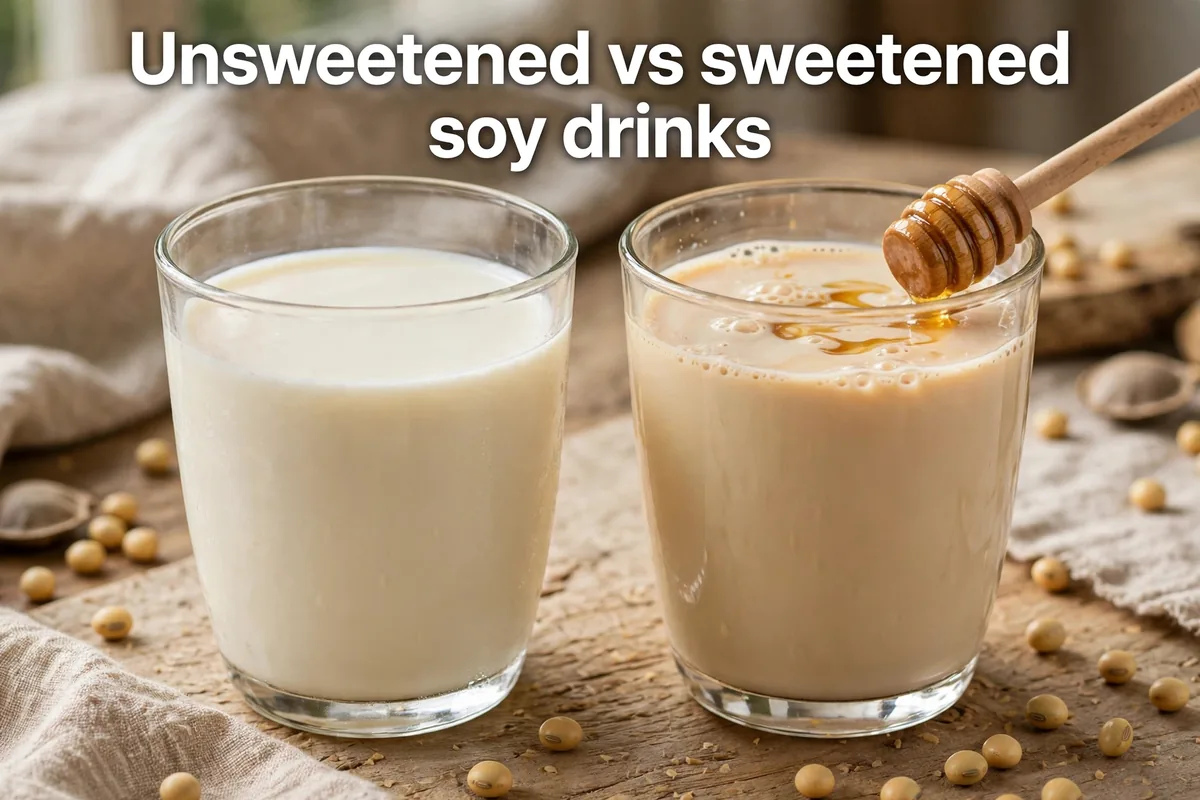
Unsweetened vs sweetened soy drinks
This is the single biggest lever on your order. An unsweetened soy drink keeps the drink close to its base, soy, water and a little natural character, so it stays in that roughly 80 to 100 kcal range and keeps added sugar near zero. A sweetened version can climb well past that, and the climb is invisible, since a sweet soy drink still looks and feels light. If you drink soy milk often, or you’re watching sugar, ask for unsweetened or less sweet first, and treat sweetness as the main decision, not the flavour name.
Which Jollibean choices are lower in sugar?
Start plain, then add flavour only if you want it. An unsweetened soy drink and a plain soy beancurd are the lowest-sugar pairing on this menu, since neither needs added sugar to work. A peanut or red bean Mee Chiang Kueh adds sugar through its filling, so it’s a step up, and flavoured soy drinks, syrup-topped beancurd and filled waffles sit higher again. That order isn’t a judgement on taste, a peanut pancake is the signature for a reason, but it’s a clear ladder if sugar is what you’re watching.
Menu card guide for this section. Calorie figures are estimates for typical soy-based equivalents, not Jollibean published data.
Flavoured drinks and waffles to watch
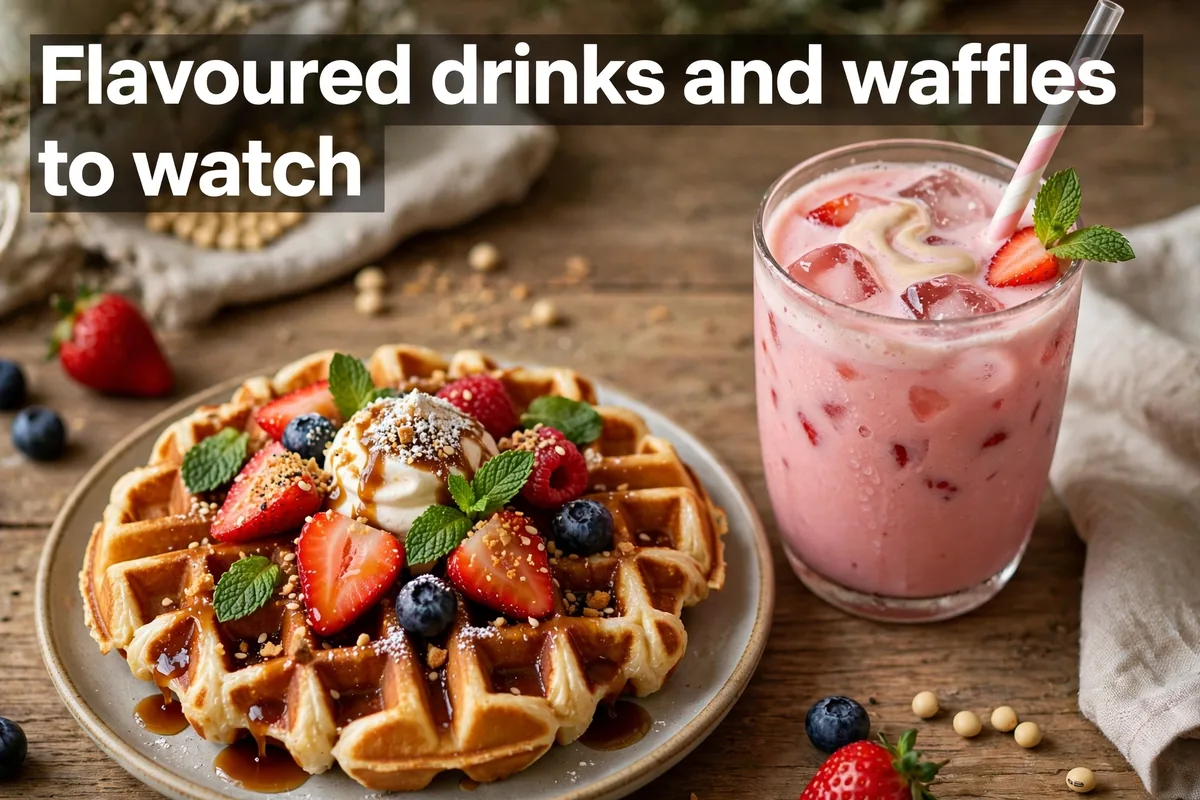
Flavoured drinks and waffles are where sugar hides in plain sight. A flavoured soy drink adds syrup or flavouring on top of any base sweetness, a cream cheese soy waffle at a guide price of SGD 9.20 adds a rich filling to a batter base, and chewy pearls add sweetened starch to a drink that started light. None of that makes them bad orders, but if you want the lighter version, skip the pearls, ask about sweetness, and save the waffle for a treat visit rather than an everyday drink run. For budget-friendly picks that also tend to be lighter, the cheapest Jollibean items guide is a handy cross-check.
Is Jollibean good for lactose-free and dairy-free diets?
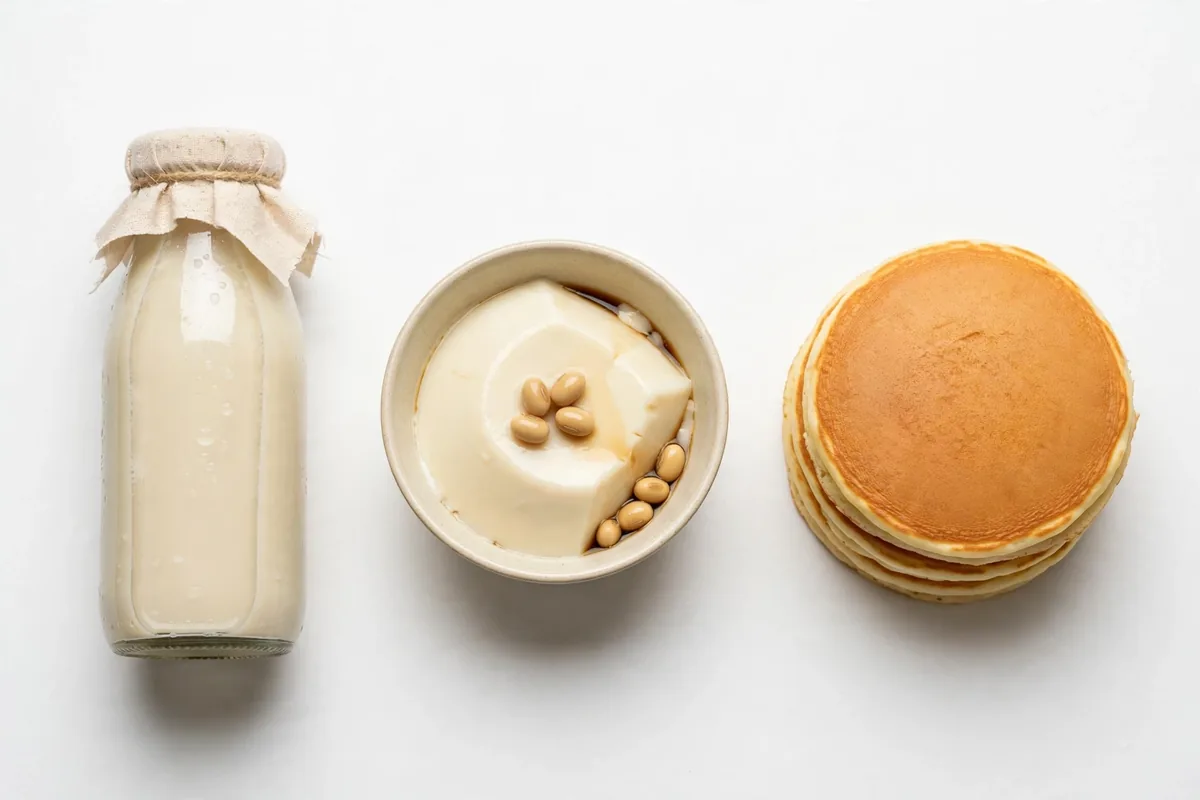
Yes, at its core, and this is the strongest nutrition point on the menu. Soy drinks and soy beancurd are made from soy beans, not milk, so they are naturally lactose free and dairy free in themselves, and they carry soy protein, which is why soy milk has always been the go-to swap for people who skip dairy. That makes a plain soy drink or beancurd a genuinely useful everyday option, not just a novelty. The caveat is about extras: a cream cheese waffle filling is dairy by name, and any topping or filling can change the picture, so if your allergy is strict, ask about that specific item rather than assuming the whole menu is safe.
Menu card guide for this section. Soy items are naturally lactose free in themselves, but check fillings and toppings for strict allergies.
Protein is the other honest plus. Soy is a complete-ish plant protein source, so a soy drink gives you more staying power than a sugary soft drink at a similar price, and beancurd adds a light, filling dessert that doesn’t lean on cream. Don’t overclaim it, though: a sweetened flavoured drink with pearls is still a sweet drink, protein or not, and a waffle is still a treat. The base ingredient helps, but sweetness and fillings decide the final order.
What should you ask in store about Jollibean nutrition?
Ask four short questions and you’ll know more than any online table can tell you. First, can I get this unsweetened, or less sweet? Second, what is in this filling or topping? Third, what size is this cup or bowl, since a bigger cup changes the estimate? Fourth, does this item contain milk, egg or wheat, if that matters to you? Staff at a small outlet can usually answer the sweetness and filling questions on the spot, and if they can’t, that itself is useful information, because it tells you to order plain and keep it simple.
Menu card guide for this section. When in doubt, order plain and ask about sweetness and fillings.
| Question to ask | Why it matters |
|---|---|
| Can I get it unsweetened or less sweet? | Sweetness is the biggest calorie and sugar lever |
| What is in the filling or topping? | Fillings decide sugar, dairy and allergens |
| What size is the cup or bowl? | Portion size changes every estimate |
| Does it contain milk, egg or wheat? | Essential for allergies and dairy-free diets |
One last practical note: prices in this guide come from third-party listings that conflict with each other, and the Jolli Set is listed at SGD 8.10 to 8.50 depending on the source, so treat every price as a guide and check the in-store card. For set and bundle ideas, the Jollibean value meals guide covers the combos.
Jollibean nutrition FAQ
Does Jollibean publish official nutrition information? No. Jollibean publishes no official nutrition table, so the figures here are labelled estimates for typical soy-based equivalents, not Jollibean data.
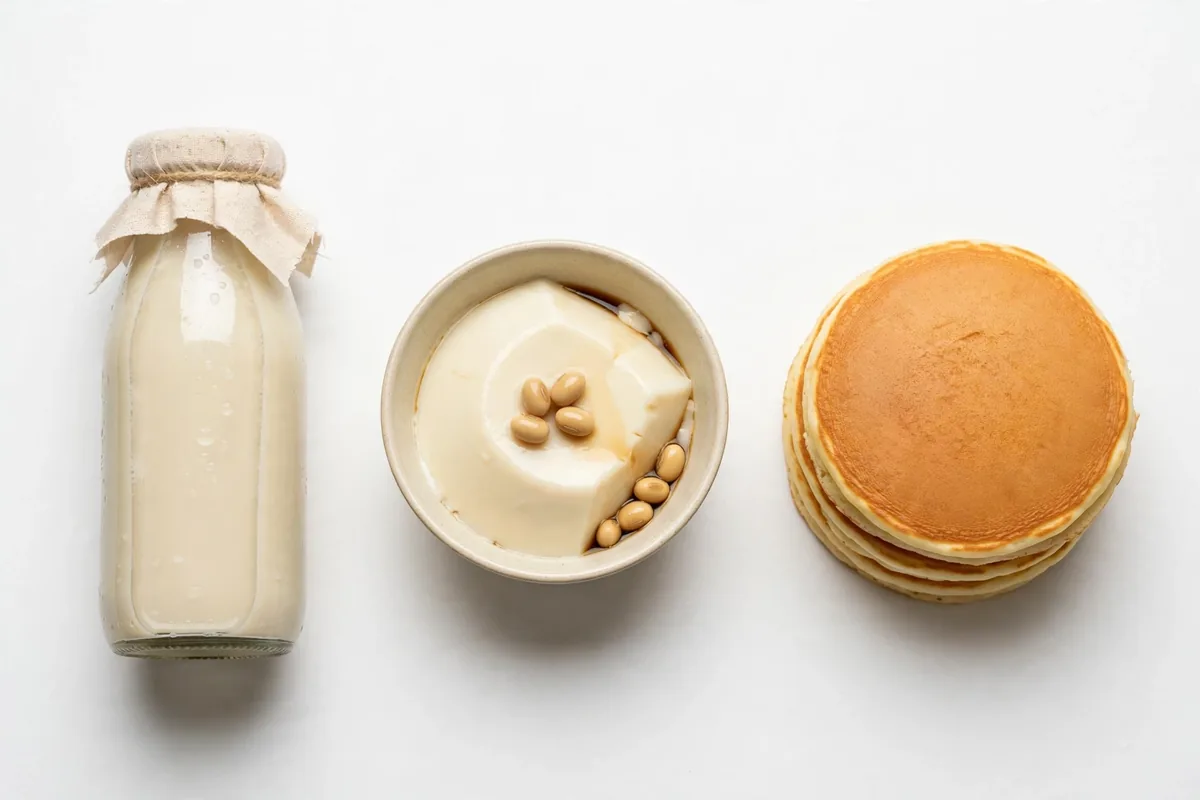
Menu card guide for this section. Calorie figures are estimates for typical soy-based equivalents, not Jollibean published data.
How many calories are in a Jollibean soy drink? As an estimate only, an unsweetened soy drink runs roughly 80 to 100 kcal per cup, while a sweetened or flavoured one runs higher depending on sugar, size and toppings.
Is Jollibean soy milk lactose free? Soy drinks and beancurd are made from soy beans, not milk, so they are naturally lactose free and dairy free in themselves. Check fillings and toppings for strict allergies.
What is the healthiest order at Jollibean? An unsweetened soy drink with a plain soy beancurd is the lightest pairing in this guide, since it keeps added sugar low while keeping soy protein.
How much do Jollibean items cost? Reported guide prices start at SGD 2.70 for peanut or red bean Mee Chiang Kueh and SGD 2.80 for soy beancurd, with classic soy drink at SGD 3.20. Listings conflict, so check the in-store card.