Ananda Bhavan Nutrition Info Singapore 2026
The honest ananda bhavan nutrition info situation: the chain publishes no calorie or nutrition figures for any dish, so this guide gives no invented numbers. What it does give is the straight read on the menu, lighter versus heavier picks, and what the restaurant itself says about its cooking. Pair it with the full Ananda Bhavan menu for prices.
Does Ananda Bhavan publish nutrition information?
No. There are no calorie counts on the menu boards, no nutrition PDF on the official site, and no per-dish figures anywhere we could verify. That is the whole answer, and any site giving you exact calories for a paper masala thosai is guessing. We won’t do that here.
What the chain does say about its food, on its own site: no MSG, no preservatives, no additives, and no re-use of cooking oil. Those are process claims, not nutrition claims, but they are the closest thing to an official health statement the restaurant makes. Take them as stated, from the source.
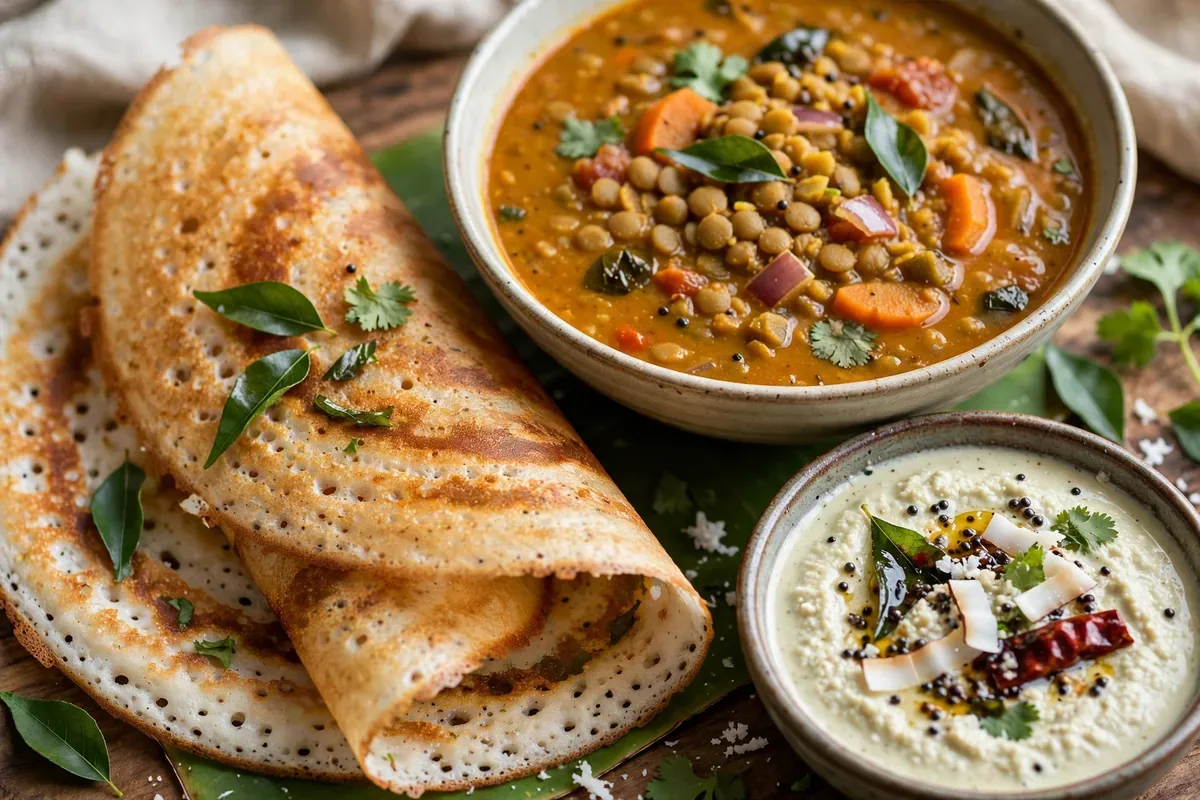
How healthy is a dosai meal, really?
Think of a dosai as fermented rice-and-lentil batter cooked thin on a griddle. The batter itself is simple: rice, lentils, water, salt, fermented. That fermentation is genuinely good for digestion, and the lentils bring protein that plain rice or bread doesn’t. The health question is almost entirely about what happens on the griddle.
| Preparation | What changes | Relative |
|---|---|---|
| Plain / standard dosai | Thin batter, light oil on the griddle | lighter |
| Masala thosai | Adds seasoned potato filling, still modest | lighter |
| Rava masala thosai | Semolina crepe, crisper, a little more oil | middle |
| Ghee roast / rocket | Ghee is the point, rich by design | heavier |
| Batura, fried snacks | Deep-fried bread, the heavy end of the board | heavier |
The chutney-and-sambar set helps the case: sambar is a mung-dhal vegetable stew, which means protein and fiber riding along with the dosai, and the coconut chutney is the richest of the three. Ask for extra sambar instead of extra chutney if you want the lighter accompaniment.
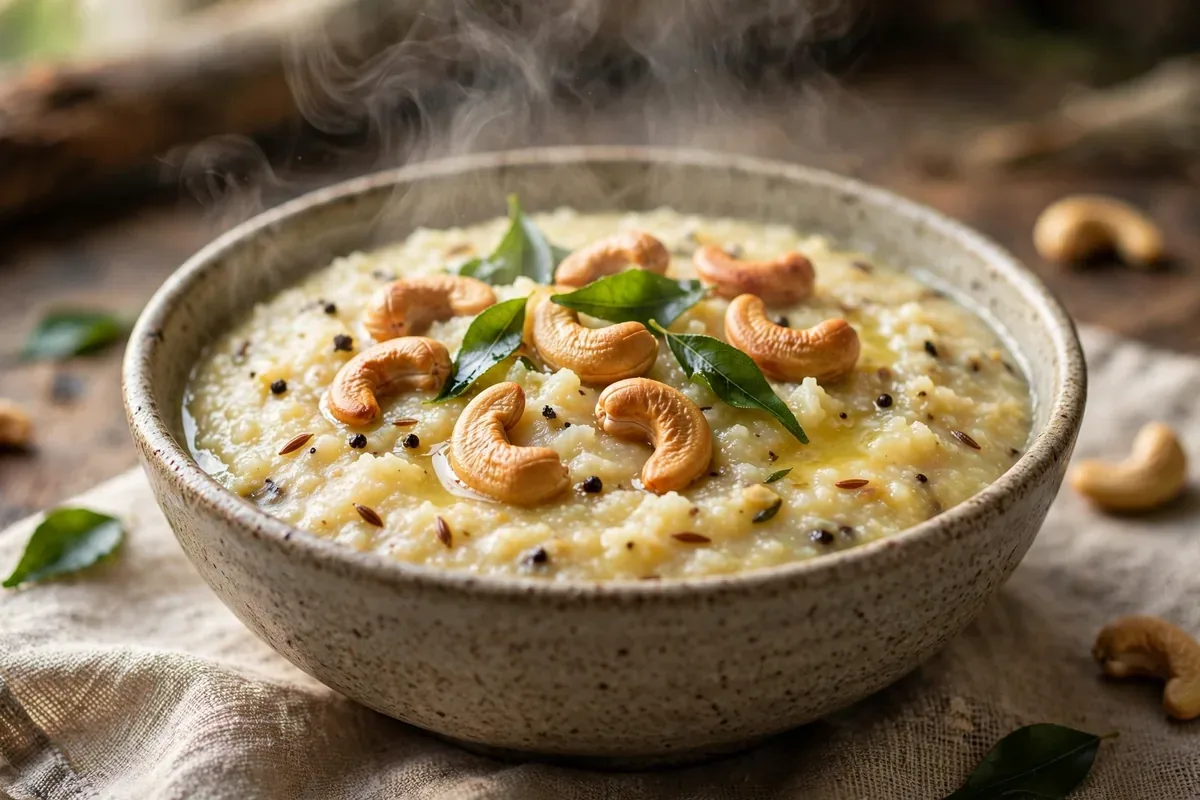
What the restaurant itself says about its food
Ananda Bhavan’s own site stresses the wellness angle: no MSG, no preservatives, no additives, and no re-use of cooking oil. For a fried-food category like batura and vada, the oil claim matters more than it sounds. These are the chain’s words, not ours, and they are the only official health-adjacent statements available. Everything else on this page is general food knowledge applied honestly to the menu.
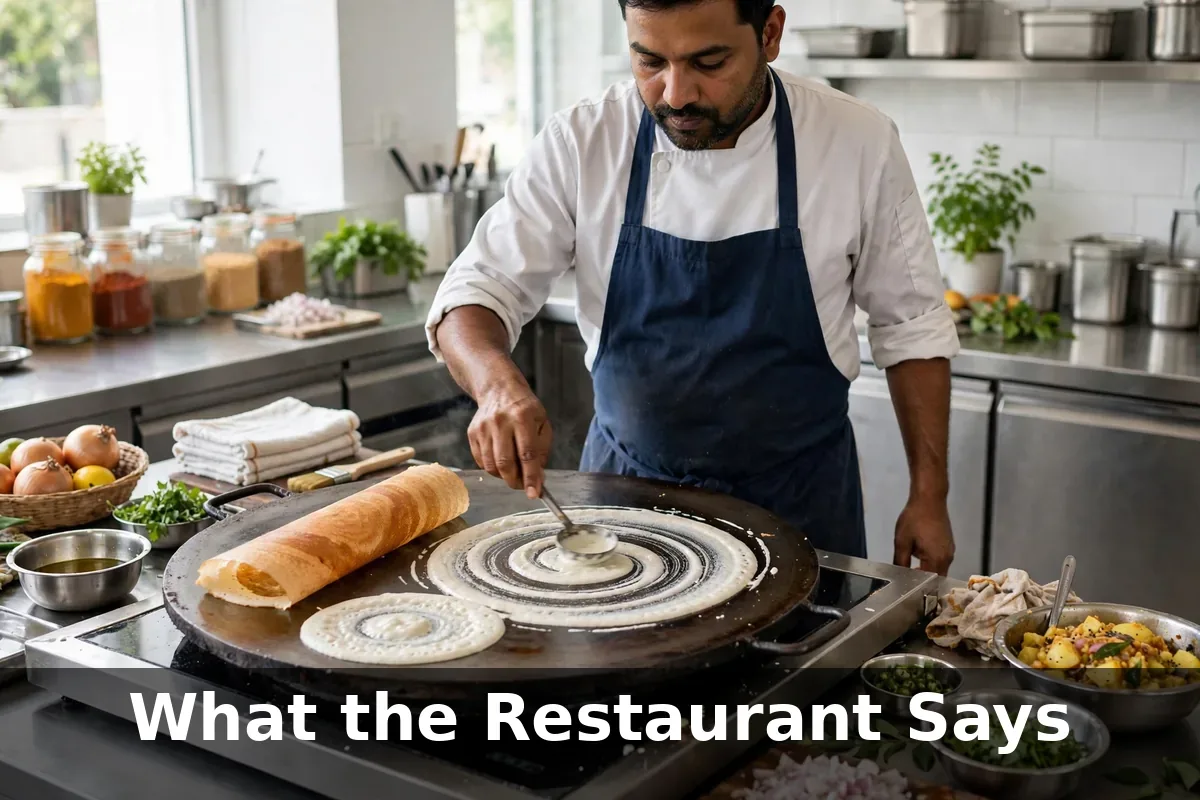
What are the lighter choices at Ananda Bhavan?
If you want to keep it light, the menu makes it easy. The South Indian core, dosai, idli, sambar, vegetable curries, is naturally lighter than the fried and ghee-heavy end. A few specific steers:
| Lighter pick | Why | Price |
|---|---|---|
| Masala thosai | Thin crepe, potato filling, modest oil | ~$3.75 |
| Sambar (extra) | Lentil-vegetable stew, protein and fiber | ask |
| Pongal | Rice-and-lentil porridge, gentle and simple | varies |
| Curd rice | Cooling yoghurt rice, light if you skip the tempering oil | varies |
| Vegetable curries | Ask which are cooked lightest that day | varies |
Drinks matter too: a filter coffee or masala tea is mostly milk and sugar by default, so ask for less sugar or take it black if they offer it. Ice tea at $3.30 is the sweet default; water is the lightest drink on the board. For family ordering with kids, our kids menu guide flags the gentlest picks.
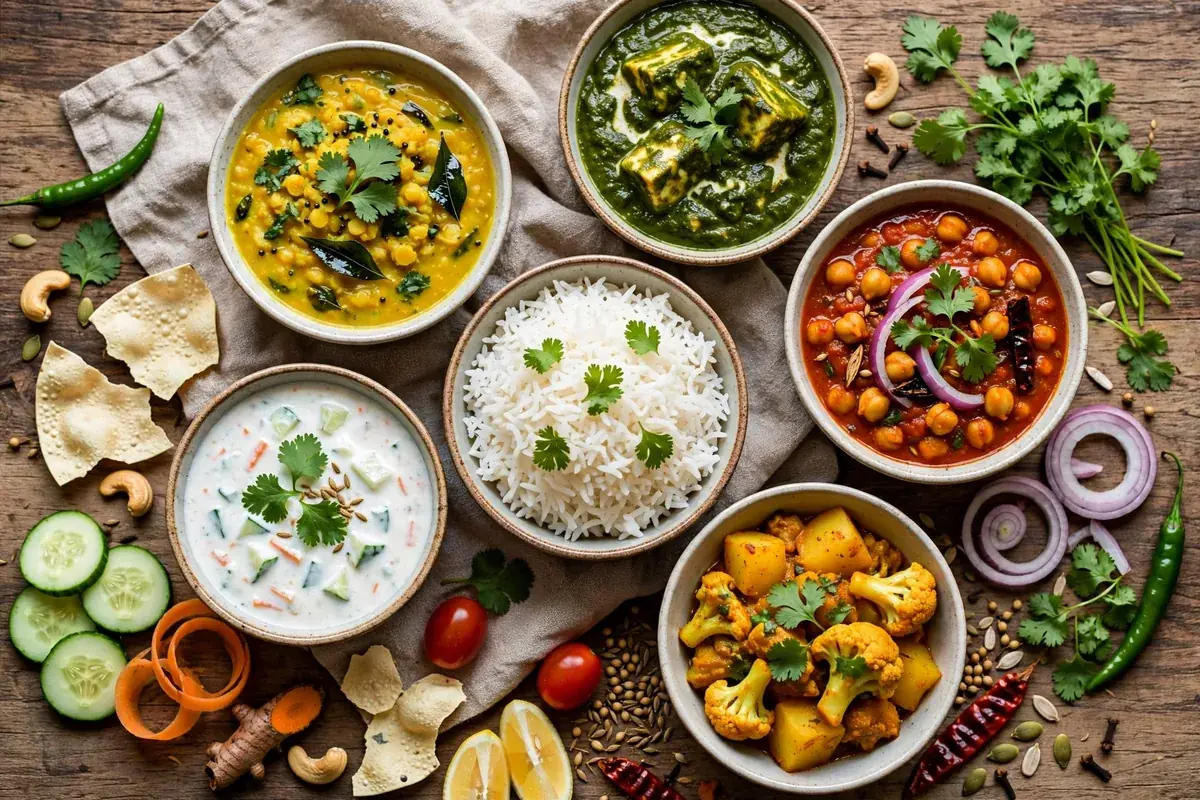
Which dishes should you watch out for?
Nothing here is dangerous, but a few items are treats rather than everyday food. The batura at $7.80 is deep-fried puffy bread, delicious and unapologetically heavy. Ghee-roasted dosai and the rocket dosai carry the ghee note diners mention, which is saturated fat doing its tasty work. The sweets, jangiri at $2.10 and boli, are syrup and sugar by design. And paneer dishes, while protein-rich, swim in butter-tomato gravy.
The practical rule: one heavy item per meal is fine; three is a food coma. A batura with sambar and water is a reasonable lunch. A batura plus paneer prata plus jangiri plus sweet filter coffee is a nap. For the morning end of the menu, our breakfast guide covers the tiffin sets, which tend to be the lightest plates of the day.
Vegan-friendly picks
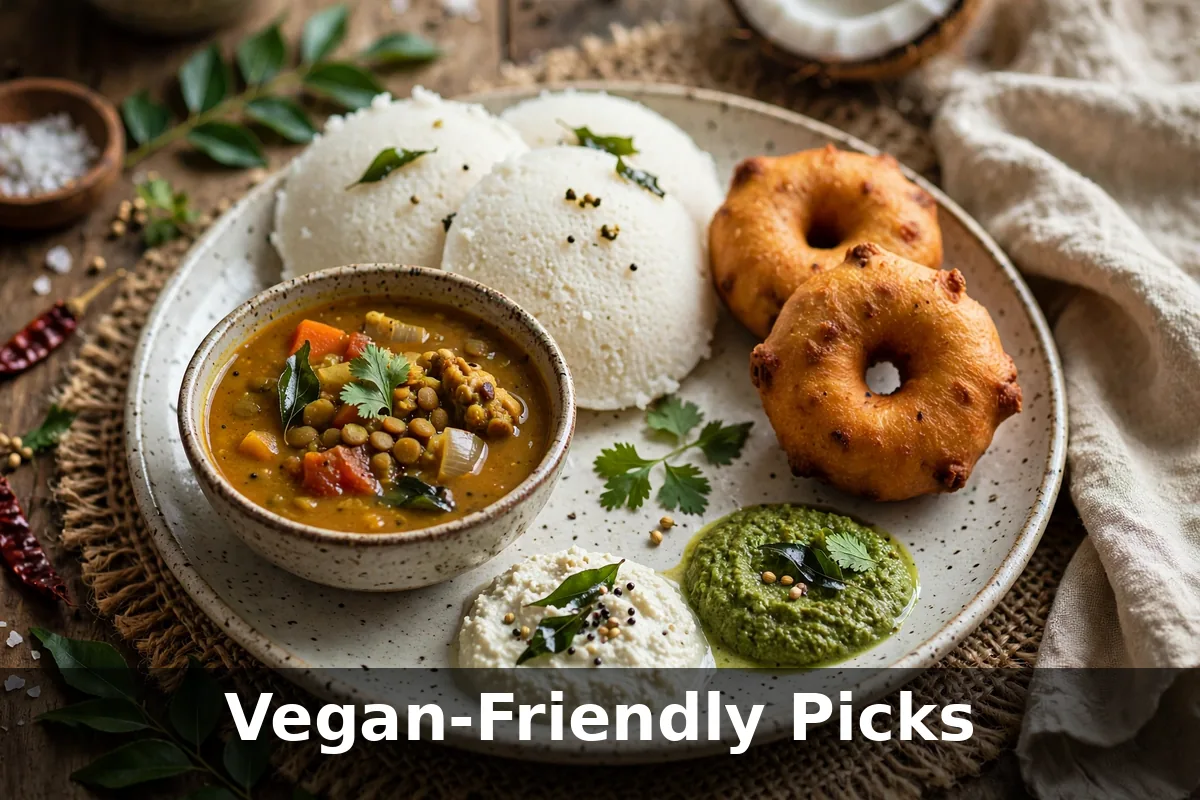
Vegan diners are well covered, which is worth saying outright. Most dosai, idli, vada, sambar and vegetable curries are naturally vegan; the exceptions are the obvious dairy items: ghee-roasted dosai, paneer dishes, curd rice, dahi chaat and the milk-based sweets and drinks. Stick to coconut chutney and sambar, skip the ghee, and ask about the day’s curries. The staff handle this question daily.
Ananda Bhavan nutrition FAQ
How many calories are in an Ananda Bhavan dosai?
No official figures are published, so we won’t invent any. Broadly, a plain or masala dosai is a moderate meal (fermented rice-lentil batter, light oil), while ghee-roasted and fried versions are heavier. Any site quoting exact calories is guessing.
Is Ananda Bhavan food healthy?
The South Indian core is reasonable everyday food: fermented batter, lentils, vegetable stews, no MSG or preservatives per the chain’s own claims. The fried items, ghee roasts and syrup sweets are treats. As with any restaurant, it depends what you order.
Does Ananda Bhavan use MSG?
The chain states its food contains no MSG, no preservatives, no additives, and no re-use of cooking oil. Those are the restaurant’s own published claims.
What is the healthiest thing to order?
A plain or masala dosai with sambar is the lightest proper meal. Pongal (rice-lentil porridge) and vegetable curries are also gentle picks. Ask for less sugar in drinks.
Is the food vegan?
Most of the South Indian menu is naturally vegan: dosai, idli, vada, sambar and most vegetable curries. Skip ghee-roasted items, paneer, curd rice, dahi chaat and milk-based sweets and drinks.
More Ananda Bhavan guides
For family ordering, the kids menu guide flags the gentlest picks, and the breakfast guide covers the lightest plates of the day.