Is Bober Tea Halal Certified? Singapore 2026
Is bober tea halal certified? No. Bober Tea Singapore holds no MUIS halal certification, according to our research notes. That is the direct answer, and we will not dress it up. This guide explains what not certified actually means, looks at the ingredients honestly, and shows you how to check the halal status yourself before you order.
Is Bober Tea halal certified in Singapore?
No. Based on our research notes, Bober Tea Singapore is not halal certified: there is no MUIS halal certificate for the chain, and we found no record of one on the official MUIS channels we checked against. We are stating this plainly because some third-party pages imply otherwise without evidence.
This matters because in Singapore, “halal” as a claim rests on MUIS certification. A shop can use halal-friendly ingredients and still not be certified, and conversely, only certification lets a brand display the halal logo. Bober Tea does not display one, and you should not assume it from the menu alone.

What does “not halal certified” actually mean?
It means one specific thing: MUIS has not audited and certified Bober Tea’s outlets, ingredients and processes. It does not mean the drinks contain haram ingredients. It also does not mean they are halal. It means the question is unanswered by the authority that answers it in Singapore.
Certification covers the whole chain of custody: ingredient sourcing, preparation areas, storage, and whether anything non-halal is handled on the same premises. A bubble tea shop could use perfectly halal-friendly ingredients and still lack certification simply because it never applied. The absence of a certificate is a fact, not a verdict on the ingredients, and this guide treats it that way.
Are Bober Tea ingredients generally halal friendly?
At the ingredient level, the picture is straightforward. The core of the menu is brewed tea, fresh milk, fruit, coconut, taro, wintermelon and tapioca pearls. These are generally halal-friendly ingredients, and a plain tea or milk tea raises no obvious ingredient questions.
Where it gets less clear is the toppings and special components. Jelly-type toppings, popping boba and the Hokkaido Chizu cheese foam cap are manufactured products, and their halal status depends on their specific ingredients and production. We do not have the supplier details, so we cannot clear them. The honest position: the bases look fine, the extras deserve a question.
Toppings worth asking about
Ask the outlet staff about anything manufactured: white jelly pearls, coconut jelly, popping boba flavours, mochi pearls, walnut crunch and the Hokkaido Chizu cap. These are the items where gelatin or processing aids could theoretically appear. Staff may not know the answer on the spot, which is itself useful information.

Drinks that raise no questions
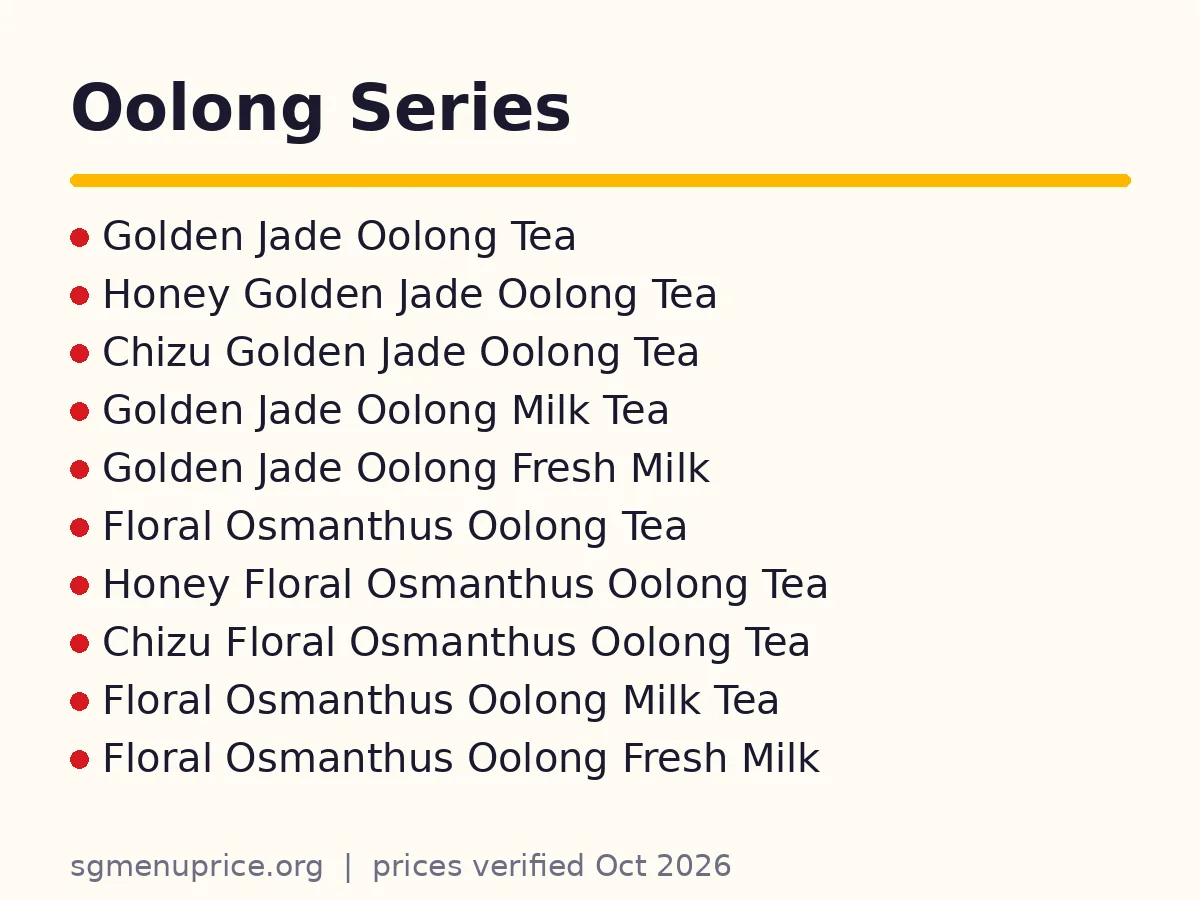
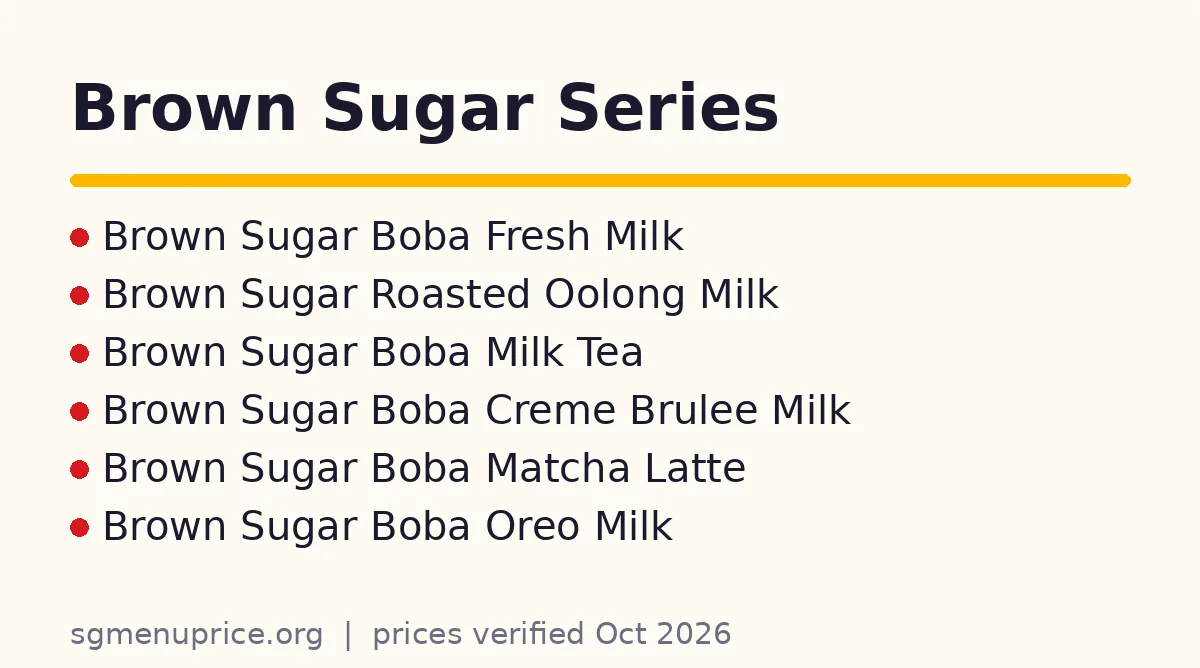
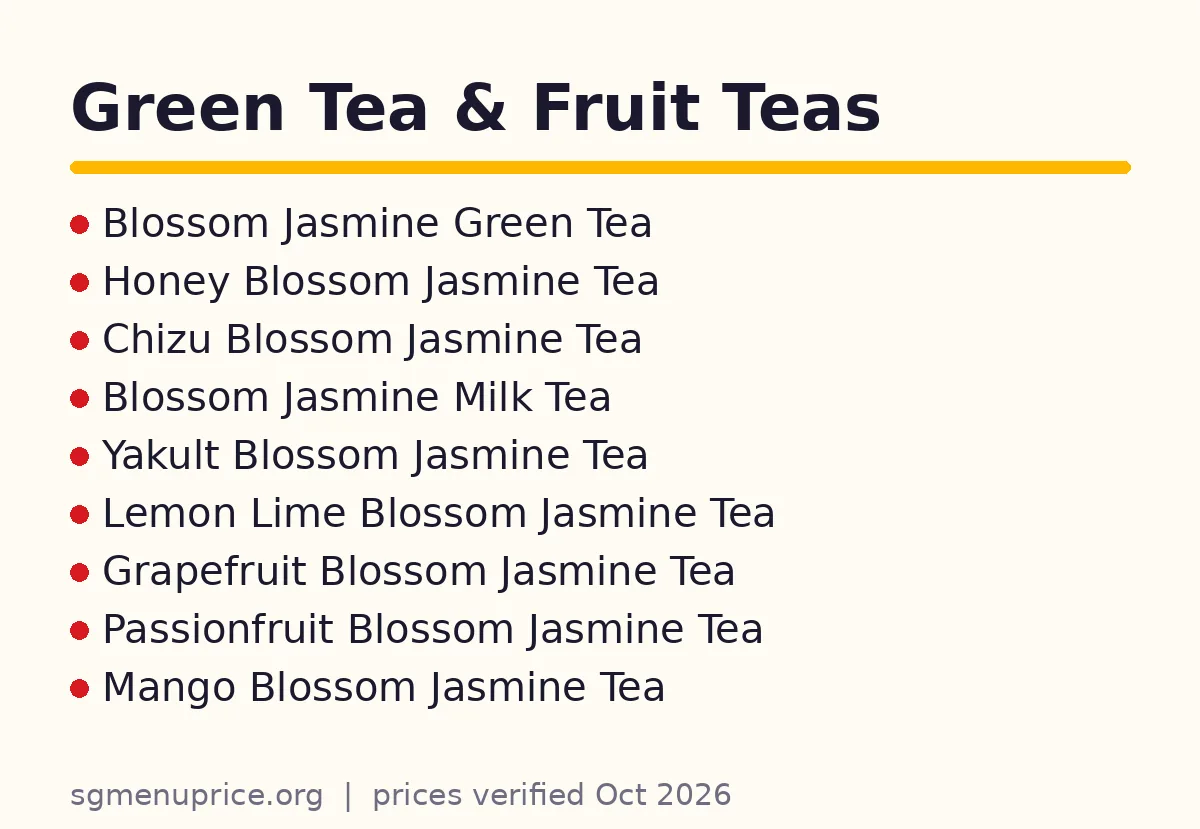
The simplest orders are the plain teas: Blossom Jasmine Green Tea (S$4.00), Golden Jade Oolong Tea (S$4.70), Earl Grey Tea (S$4.40). Brewed tea and water are about as uncomplicated as it gets. If you want milk, the classic Milk Tea (S$4.40) is tea and milk. Simple bases, fewer unknowns. The menu price guide lists every drink with its verified price if you want to compare options side by side.
How can I check Bober Tea’s halal status myself?
Do not take any blog’s word for it, including this one. The authoritative check takes about a minute: search the MUIS halal register for “Bober Tea” and see whether any certificate is listed. Certification status can change, so a fresh check beats any article’s publication date.
If the register shows nothing, that confirms the current position: not certified. If it ever shows a certificate, that would supersede everything written here, and we would update this guide. Our full Bober Tea menu guide is the hub for prices and drink details, and the nutrition info guide covers the ingredient side of the menu in more detail.

What should I ask the staff before ordering?
If you decide to order, a short conversation at the counter goes a long way. Ask whether the toppings you want contain gelatin or animal-derived ingredients, and whether the cheese foam cap uses any alcohol-based flavouring. Ask about the specific drink you are ordering, not the menu in general, since answers vary by component.
Keep expectations realistic: counter staff handle drinks, not certification paperwork, so they may not have confident answers about suppliers. That is fine. Their uncertainty is a signal to keep your order simple or to skip it, and either choice is reasonable.
Bober Tea halal FAQs
Is Bober Tea halal certified in Singapore?
No. Bober Tea Singapore holds no MUIS halal certification, based on our research. We found no certificate for the chain on the official channels we checked against.
Is Bober Tea halal if it is not certified?
We cannot declare it halal. Without MUIS certification, the halal status is unverified, even though the core ingredients (tea, milk, fruit, tapioca) are generally halal-friendly. Certification is what makes the claim official in Singapore.
Are Bober Tea’s toppings halal?
We do not have supplier details for the manufactured toppings (jellies, popping boba, cheese foam cap), so we cannot clear them. Ask the outlet staff about the specific topping you want.
How do I check if Bober Tea becomes halal certified?
Search the MUIS halal register for Bober Tea. Certification status can change, and the register is the authoritative source. A listed certificate would supersede this guide.
Which Bober Tea drinks are the simplest choice?
The plain brewed teas, like Blossom Jasmine Green Tea (S$4.00) or Golden Jade Oolong Tea (S$4.70), have the fewest ingredients and the fewest unknowns.