Encik Tan Halal Certified
Encik Tan is a halal-certified Chinese hawker concept in Singapore, set up in 2014 by Fei Siong Group so Muslim diners can enjoy the same hawker classics, from chicken cutlet curry rice to wanton noodles and claypot rice, in air-conditioned food courts. This guide explains what the certification covers, which dishes it applies to, and how to check the certificate at the outlet you visit.
Is Encik Tan halal certified in Singapore?
Yes. Encik Tan was established in 2014 to serve the growing demand for authentic Chinese hawker fare among Muslim customers, and its outlets are described as halal-certified in halal directories, with the Compass One listing marked as MUIS Certified. The chain’s own site presents the same idea: a halal-certified mini food atrium concept serving popular local Chinese dishes. Fei Siong Group put the Singapore footprint at 21 outlets in May 2026, when the brand opened its first Malaysia outlet, so the concept is a chain-wide halal operation rather than a single halal-friendly stall.
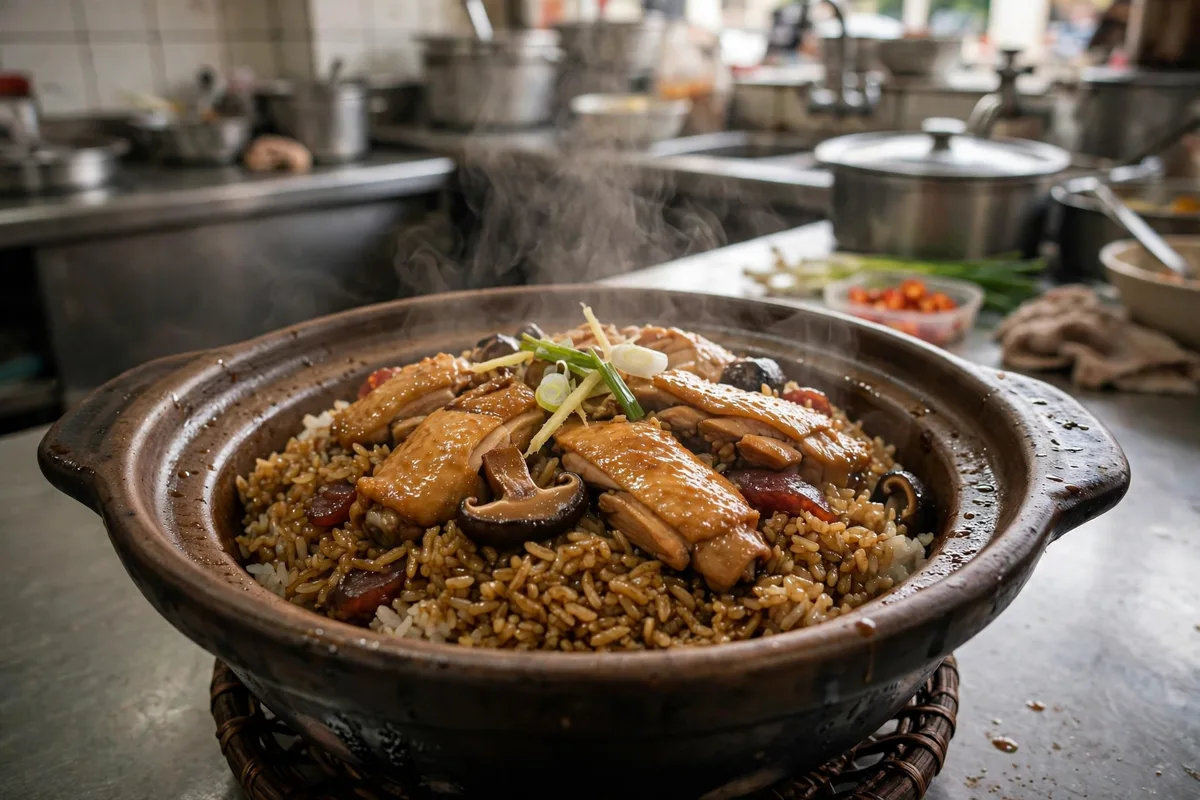
One caution matters here. Halal certification in Singapore is granted per premises, so the safe habit is to confirm the certificate at the specific outlet you are standing in, rather than assuming every counter under the brand name carries the same paperwork on the same date. Outlets open, close, and change hands, and airport transit outlets in particular can run under different arrangements.
What does halal certified mean at Encik Tan?
At Encik Tan, halal certified means the familiar Chinese hawker recipes are adapted to use halal ingredients and halal preparation methods, while keeping the nostalgic flavour of the original dishes. That is the whole point of the concept: the same curry rice, noodles, and claypot dishes that non-Muslim diners know from hawker centres, rebuilt so Muslim diners can eat them with confidence. The chain runs its outlets as mini food atriums with separate stations for curry rice, noodles, claypot, and drinks, all under one roof.
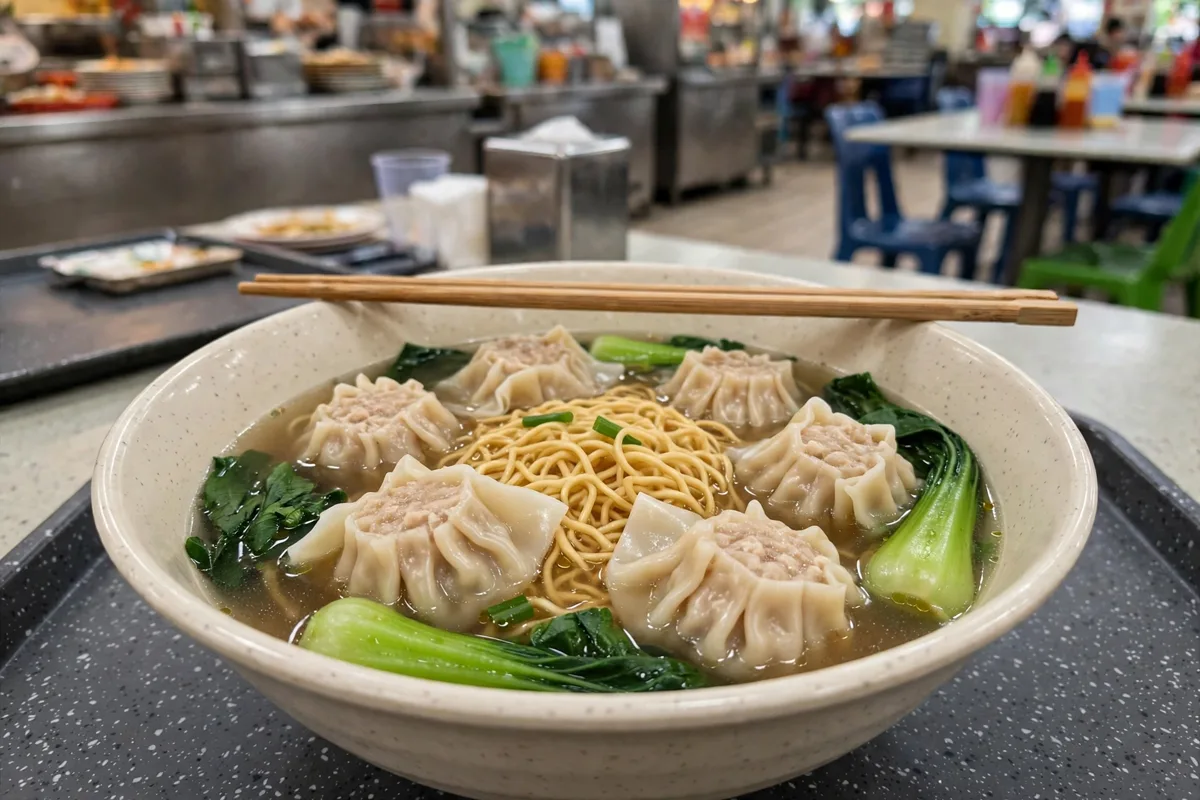
What Halal Certified Means
In plain terms, the label covers ingredients and preparation, not just the absence of one ingredient. So when you order chicken cutlet curry rice or fishball noodles at a certified Encik Tan outlet, the chicken, fish, noodles, and sauces are sourced and prepared to halal requirements, and the outlet displays its certification for diners to see. If a dish ever looks different from the usual card, or a station looks newly opened, ask the staff to point you to the certificate, which is the fastest check available.
Which Encik Tan dishes are halal?
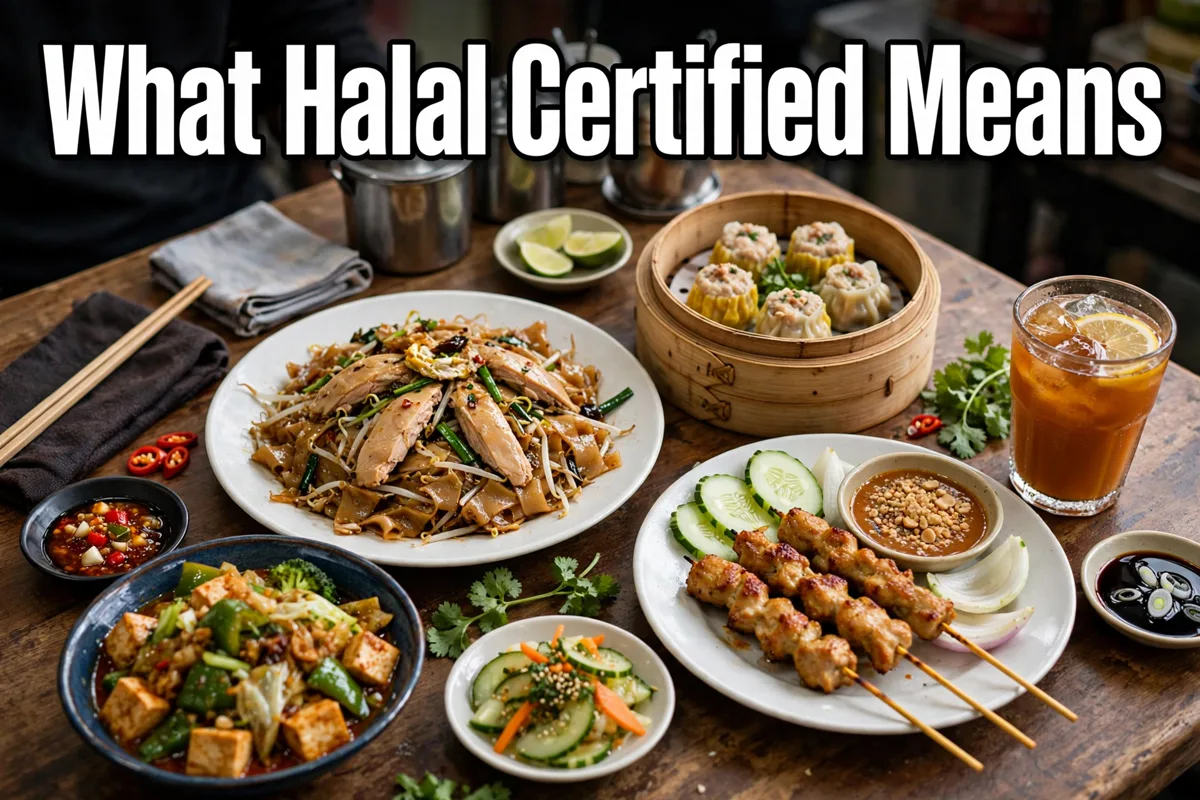
Every dish on the card at a certified Encik Tan outlet is part of the halal concept, because the chain does not run a mixed menu with halal and non-halal sections. The core ranges are curry rice, noodles, claypot dishes, soups, and drinks. Curry rice covers chicken cutlet, fried chicken drumstick, curry chicken drumstick, and fried prawn. Noodles cover fishball noodles, wanton noodles, signature noodles, fishball chicken minced meat noodles, Sarawak chicken kolo mee, and crystal hot pot noodles. Claypot covers claypot rice, claypot noodles, and claypot seafood noodles, and the drinks list runs from Milo and blueberry series to rose syrup and soft drinks.
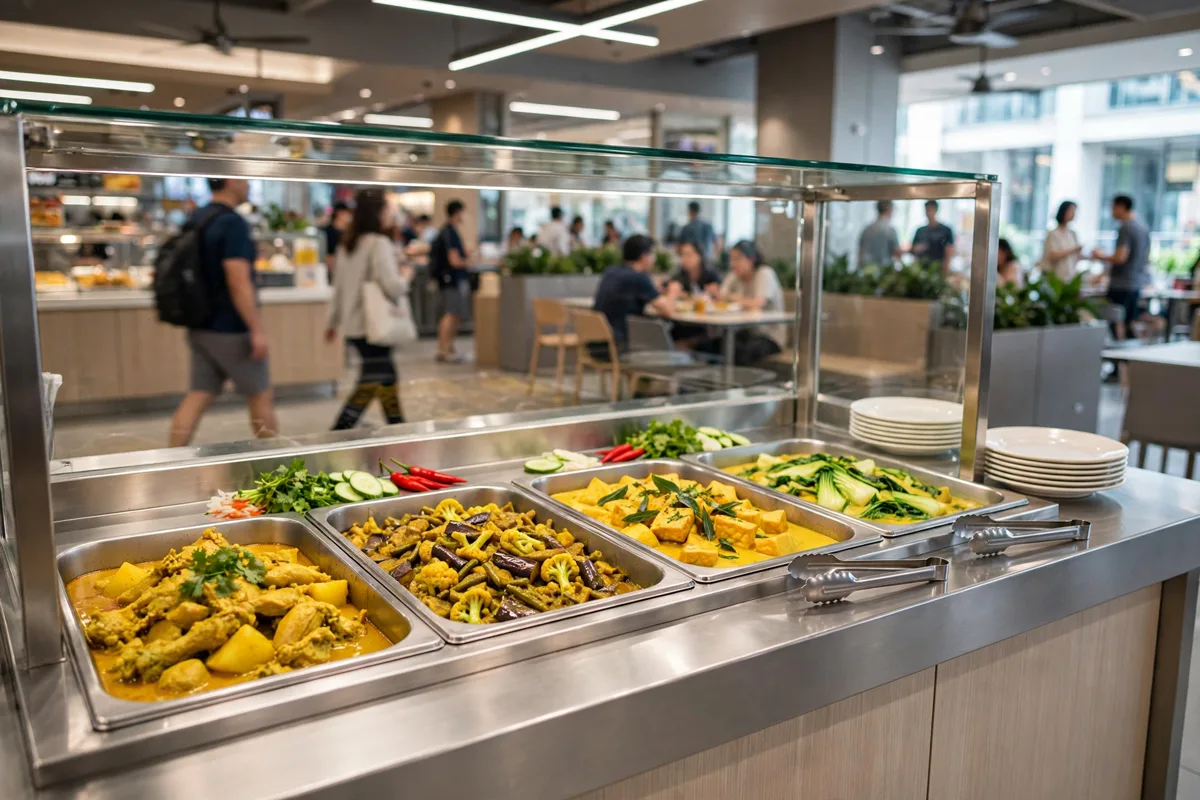
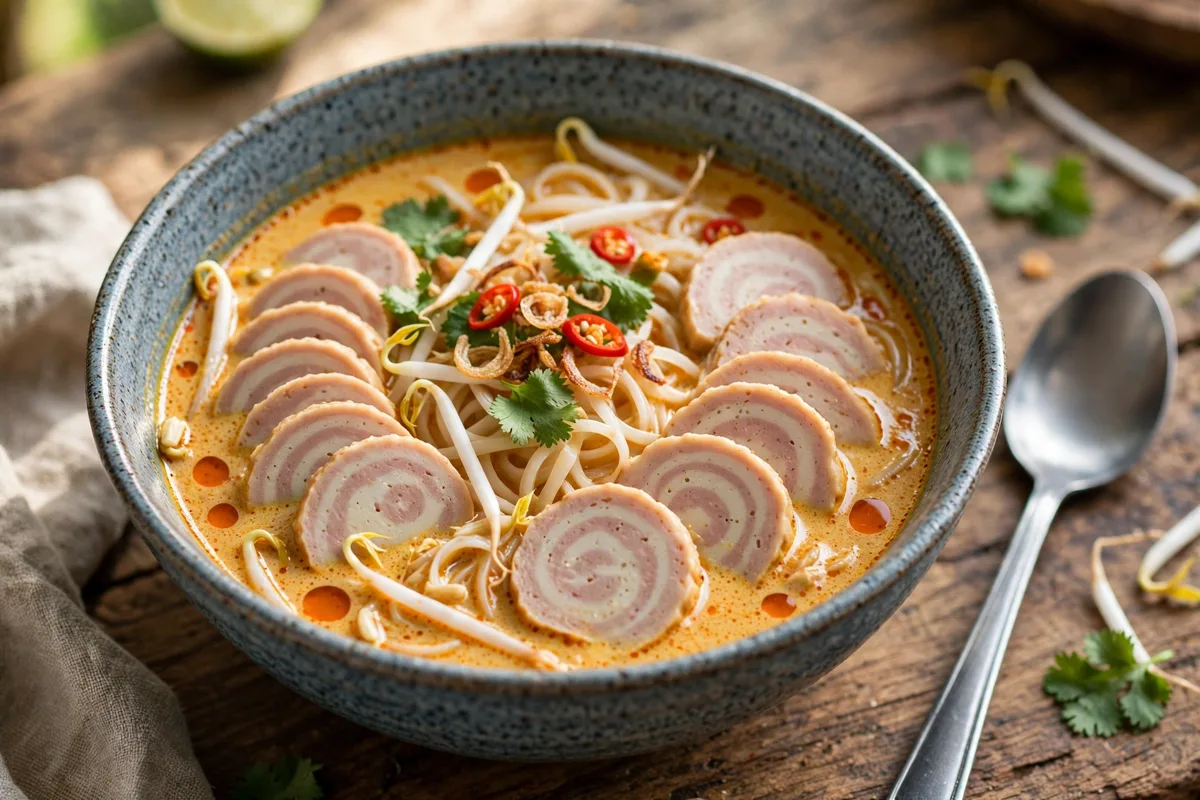
Laksa also appears on the card at some outlets, including the VivoCity outlet, and the same halal preparation applies there. There is no pork or alcohol section on the Encik Tan card, which is what makes the concept simple to order from: pick any dish on the board and it belongs to the same halal kitchen. Drinks follow the same rule, with Milo, Bandung, and iced fruit drinks all served from the same counter.
How do you check the halal certificate at an outlet?
Start at the counter. Certified outlets display their MUIS halal certificate where diners can see it, usually near the ordering counter or the menu board, so look for it before you queue. If you cannot spot it, ask the staff directly, and they will point it out. For a second check before you travel, halal directories list Encik Tan outlets with their certification status, and the chain’s official site lists its outlets, so you can confirm the outlet exists and is trading before a special trip.
Keep two practical notes in mind. First, hours and outlet status change: a third-party listing from October 2026 showed one delivery outlet as closed at capture time even though its menu was still listed, so a quick check before travelling saves a wasted trip. Second, certification dates are not published in this guide, because the chain does not publish a certification register on its own site, and any date quoted from a directory would go stale fast. The certificate on the wall at the outlet is the current proof, and it beats any article, including this one.
Encik Tan halal certified FAQ
Is Encik Tan halal certified?
Yes. Encik Tan is a halal-certified concept under Fei Siong Group, and halal directories describe its outlets as MUIS certified. Check the certificate displayed at the outlet you visit.
Is every Encik Tan outlet halal certified?
Encik Tan is a chain-wide halal concept, but certification is granted per premises, so confirm the certificate at the specific outlet, especially at newer, airport, or transit outlets.
Does Encik Tan serve pork or alcohol?
No. The Encik Tan card carries no pork or alcohol section. Its Chinese hawker dishes are adapted with halal ingredients and halal preparation methods.
What is the most popular halal dish at Encik Tan?
Chicken cutlet curry rice leads the card and is the dish reviewers mention most, followed by fishball noodles, wanton noodles, and claypot rice dishes.
Where can I check Encik Tan halal status before visiting?
Look for the MUIS certificate at the outlet counter, check halal directories for the outlet listing, or confirm the outlet on the chain’s official site before travelling.
Related guides
Encik Tan Menu | Encik Tan Nutrition Info | Encik Tan Cheapest Items