Aburi-EN Nutrition Info
The honest aburi-en nutrition info starts with a gap: the chain publishes no official nutrition panel for its dishes. So this guide gives you clearly labelled estimates for comparable dishes, plus the real salad options and prices, so you can still order smart. For dishes and prices, see the complete Aburi-EN menu.
Does Aburi-EN publish nutrition information?
No, it doesn’t, at least not anywhere we could find. The official site and menus list dishes, ingredients in plain words, and prices, but no calories, protein, fat, sodium or allergen tables. That’s common for smaller Singapore restaurant chains, but it means any site quoting exact Aburi-EN calories is guessing, or borrowing numbers from a different restaurant’s dish.
So this page does the honest version instead. The tables below are estimates for comparable Japanese dishes, built from generic nutrition databases for aburi beef, aburi salmon and similar grilled bowls. Use them to compare dishes against each other, not as medical-grade facts. If you’ve allergies or a medical diet, ask the outlet staff directly, since sauces and marinades can hide gluten, dairy and seafood.

How many calories are in an Aburi-EN rice bowl?
Rice does most of the work in a donburi, then the protein and sauce add the rest. A standard bowl of steamed rice alone is roughly 200 to 250 calories, and grilled meat, egg and sweet sauces stack on top. The wagyu and mentaiko bowls sit at the heavy end, while the plain chicken and salmon bowls sit lower.
| Dish (estimate) | Why it lands there | Calories |
|---|---|---|
| Chicken teriyaki don | Grilled chicken, sweet glaze, rice, mushrooms | 600-750 |
| Buta don (grilled pork loin) | Grilled pork slices over rice, the house classic | 650-800 |
| Truffle roast wagyu don | Roast wagyu, truffle paste, mushrooms, onsen egg | 700-850 |
| Aburi mentaiko kaisen bara chirashi | Diced raw fish, mentaiko cheese sauce, ikura, tamago | 650-850 |
| Miyazaki wagyu and premium buta combo jyu | Two rich proteins, wagyu plus pork loin, on rice | 800-950 |
| Aburi beef onsen egg bowl (generic database entry) | Comparable dish, 250g serving, 25g protein, from a generic nutrition database | about 450 |
That last row is worth a note: the generic database figure covers a 250g serving without a full bowl of rice, which is why it reads lower than a restaurant don. Real bowls at the table, rice included, land in the 600 to 900 range above. Portions vary by outlet, so treat the ranges as guides, not promises.

What’s the healthiest order at Aburi-EN?
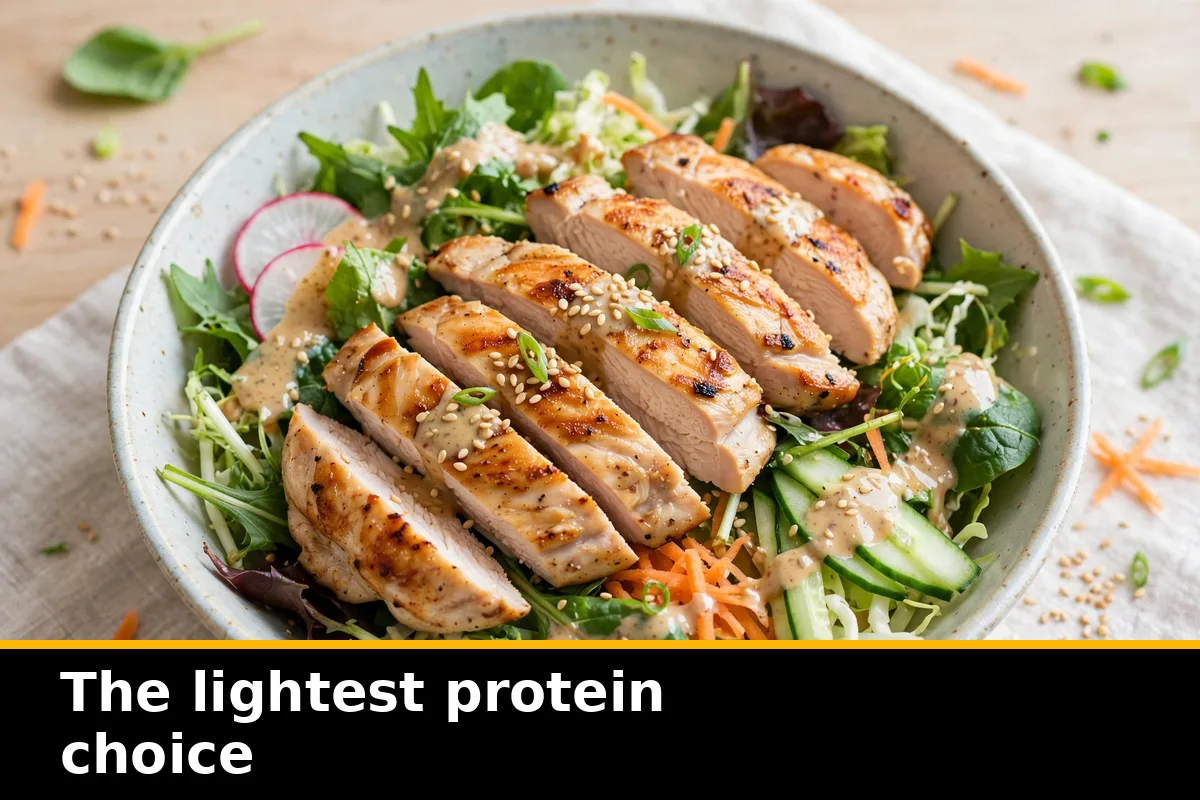
The salads are the clear answer, and they’re a real menu line, not a hack. At Suntec City and VivoCity you build your own salad by picking a protein, then a dressing: wasabi yogurt, wafu, or Japanese goma. Chicken breast is the lightest protein, salmon brings omega-3 fats, and the plant-based meat sits in the middle.
| Healthiest picks | Protein and notes | Price |
|---|---|---|
| Tender chicken breast salad | Leanest protein, roughly 300 to 400 calories with a light dressing | $15.90 |
| Plant-based meat salad | Meat-free protein, roughly 350 to 450 calories depending on dressing | $15.90 |
| Salmon salad | Omega-3 rich fish, roughly 350 to 450 calories, generic aburi salmon runs 200 to 300 calories per 100 to 150g | $17.90 |
| Flame-seared sirloin steak salad | Heaviest salad protein, roughly 400 to 500 calories | $20.90 |
| Mini salad add-on | Small greens side that adds fibre without much weight | $2 |
| Asari miso soup | Light clam soup, roughly 80 to 120 calories | $3 |
For dressings, wafu is the lightest pick, a soy-based dressing, while goma, roasted sesame, is richer and heavier. Wasabi yogurt sits between the two, creamy but lighter than a sesame dressing. If you want the full ranking of dishes, our Aburi-EN best sellers guide shows which plates regulars actually order.
The lightest protein choice
Chicken breast wins on lightness, and it isn’t close. It’s lean, high in protein, and it takes the wafu dressing well without needing a heavy sauce. Salmon is the tastiest trade-off: a few more calories, but omega-3 fats and a richer flavour. Sirloin is the treat option, and plant-based meat is the pick if you skip animal protein but still want something filling. Pick the protein first, then let the dressing decide the rest.
How do sauces and add-ons change the calories?
Sauces and toppings are where a light bowl quietly gets heavy. A mentaiko cheese sauce, a sweet teriyaki glaze, or a creamy dressing can add 100 to 250 calories on its own, and the small add-ons stack up too. The egg is the exception: it adds protein for a modest calorie cost.
| Sauce or add-on | Estimated effect | Price |
|---|---|---|
| Okinawa onsen egg | About 70 calories, good protein, worth it | $2 |
| Okinawa marinated egg | About 80 calories, seasoned egg | $3 |
| Hokkaido ikura (25g) | About 60 calories, salty, small portion | $8 |
| Mentaiko cheese sauce | Rich and creamy, roughly 150 to 250 calories per serving | Included |
| Truffle paste | Oil-based, roughly 80 to 120 calories per serving | Included |
| Sweet teriyaki glaze | Sugar-based, roughly 60 to 100 calories per serving | Included |
The practical rule is simple: if you want a lighter bowl, keep the egg, skip the cheese sauce, and pick wafu over goma. If you want the full rich bowl, enjoy it, just know the sauce is doing a lot of the calorie work. For the combo plates and their proteins, the Aburi-EN combo meals guide breaks down what each plate includes.

Where the calories hide
Three hiding spots catch people out. First, the rice, a full bowl is 200 to 250 calories before anything lands on it. Second, the sauces, especially anything cheese-based or oil-based. Third, the fried sides, karaage and croquettes, which carry frying oil on top of their protein. None of this makes the food bad, it just explains why a bowl that looks light can land near 800 calories. Order with your eyes open and you’ll be fine.

Aburi-EN nutrition info FAQ
Does Aburi-EN publish official nutrition information?
No. No official calorie, protein or allergen panel was found on the chain’s site or menus as of October 2026. All figures on this page are labelled estimates for comparable dishes.
How many calories are in an Aburi-EN donburi?
As an estimate, a grilled meat rice bowl runs roughly 600 to 900 calories including rice, with wagyu and mentaiko bowls at the heavy end and plain chicken bowls lower.
What’s the lowest calorie meal at Aburi-EN?
The tender chicken breast build-your-own salad at $15.90, roughly 300 to 400 calories with a light dressing, at Suntec City and VivoCity. The mini salad add-on at $2 and asari miso soup at $3 are lighter still as sides.
Is Aburi-EN salmon healthy?
Yes, in general terms. Salmon is rich in omega-3 fats and protein, and generic aburi salmon runs roughly 200 to 300 calories per 100 to 150g serving. The dressing and rice decide the final total.
Does Aburi-EN list allergens?
No official allergen panel was found. Dishes commonly involve soy, egg, dairy, seafood and gluten through sauces and marinades, so ask the outlet staff directly if you’ve an allergy.
More Aburi-EN guides: The best sellers guide ranks the dishes regulars keep ordering, and the combo meals guide breaks down what each plate includes.