FoodFare Menu Card
A Foodfare menu card is not one document. Because FoodFare runs food courts where independent stalls each cook their own food, every stall puts up its own menu card or board, with its own dishes, options and prices. This guide explains what those cards look like, what each stall type lists, and how to read one properly so you order exactly what you want.
What is a FoodFare menu card?
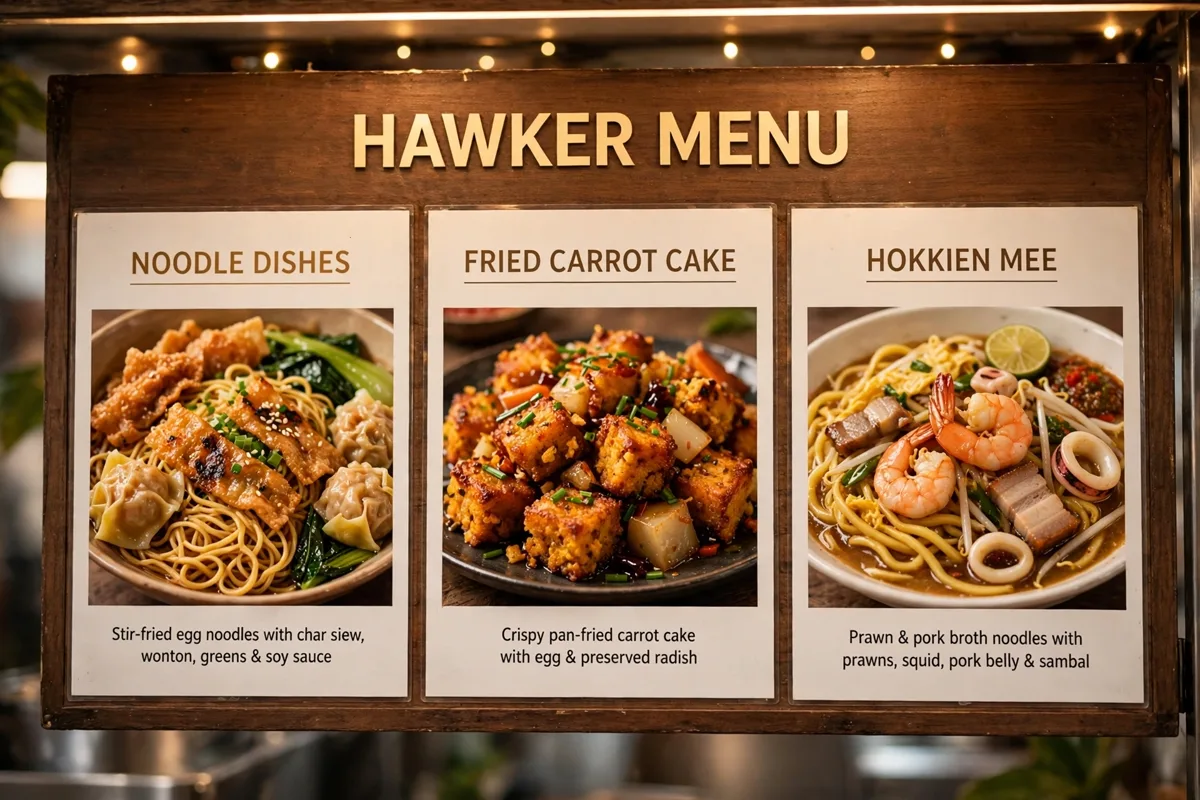
In a FoodFare food court, the menu card is the board or printed card at each stall. It usually shows the stall name, photos or names of its dishes, the price of each dish, and any set meals or add-ons. Some stalls add a small note about spice levels, soup or dry options for noodles, and whether a dish contains pork or lard. That last detail matters at mixed food courts, so read the card before you queue.

FoodFare itself does not publish one central menu card covering all its stalls, and none was found during research. That is normal for a food court operator: the operator runs the space, the tenants run the menus. So any website claiming to show “the” FoodFare menu card is really showing one stall’s card, one outlet’s lineup, or a snapshot that may already be out of date. Treat the stall board in front of you as the only current card.
Menu cards also change often. Stalls rotate daily specials, drop slow sellers and adjust prices when ingredient costs move. A photo of a card from a review site might be months old, so use it to shortlist what to try, not to plan your exact order and budget.
What dishes appear on a typical FoodFare stall menu card?
Cards differ by stall type, but the patterns are stable across Singapore food courts. The table below shows what each common FoodFare stall card usually lists, based on dishes reported at FoodFare outlets. Use it to know what to look for on the board, then read the actual card for the dishes and prices of the day.
| Stall card | Typical listings | Options to watch for |
|---|---|---|
| Chicken rice | Steamed chicken rice, roasted chicken rice, chicken chop, curry chicken | Extra meat, extra rice, add egg |
| Noodle stall | Laksa, ban mian, wanton mee, fishball noodles, Hokkien mee | Soup or dry, spice level, noodle type |
| Mixed rice | Daily rotating dishes: vegetables, braised meats, curry, fried items | Price varies by dish chosen |
| Local delights | Fried carrot cake white and dark, fried Hokkien mee | White, dark or mixed carrot cake |
| Yong tau foo | Stuffed items by piece, soup or dry, with rice or noodles | Per piece pricing, soup or dry |
| Western grill | Chicken chop, grilled chicken, fish fillet, spaghetti plates | Sauce choice, side choice |
| Drinks stall | Kopi, teh, Milo, iced drinks, sugar cane, bottled drinks | Hot or iced, sugar level, less sweet |
| Dessert stall | Tau suan, bubur hitam, bean soups, cheng tng, ice kacang | Hot or cold, add toppings |
Reading a FoodFare stall menu
Read a stall card in three passes. First, scan the dish names and photos to find what you actually want. Second, check the price column and any add-on line, because the base price often excludes extras like egg, meat or noodles. Third, check the small notes: halal certification, pork or lard warnings, spice levels and whether the dish is sold out for the day. That thirty second read saves the usual queue side confusion about what a set includes.

At mixed rice stalls, the card works differently: dishes sit in trays, and the price depends on what you pick, usually one meat plus vegetables, or two meats plus vegetables. If the card does not show the pricing rule clearly, ask before the server starts scooping, because mixed rice pricing surprises are the most common food court complaint in Singapore.
Where can you see FoodFare menu cards before ordering?
The honest answer is that the stall board is the reliable source, and everything else is a preview. Some FoodFare stalls appear on food delivery platforms with their own listings, and diners post card photos on review sites and social media. Those can help you shortlist stalls, but they go stale fast, and a stall can change its menu without updating any third party page.
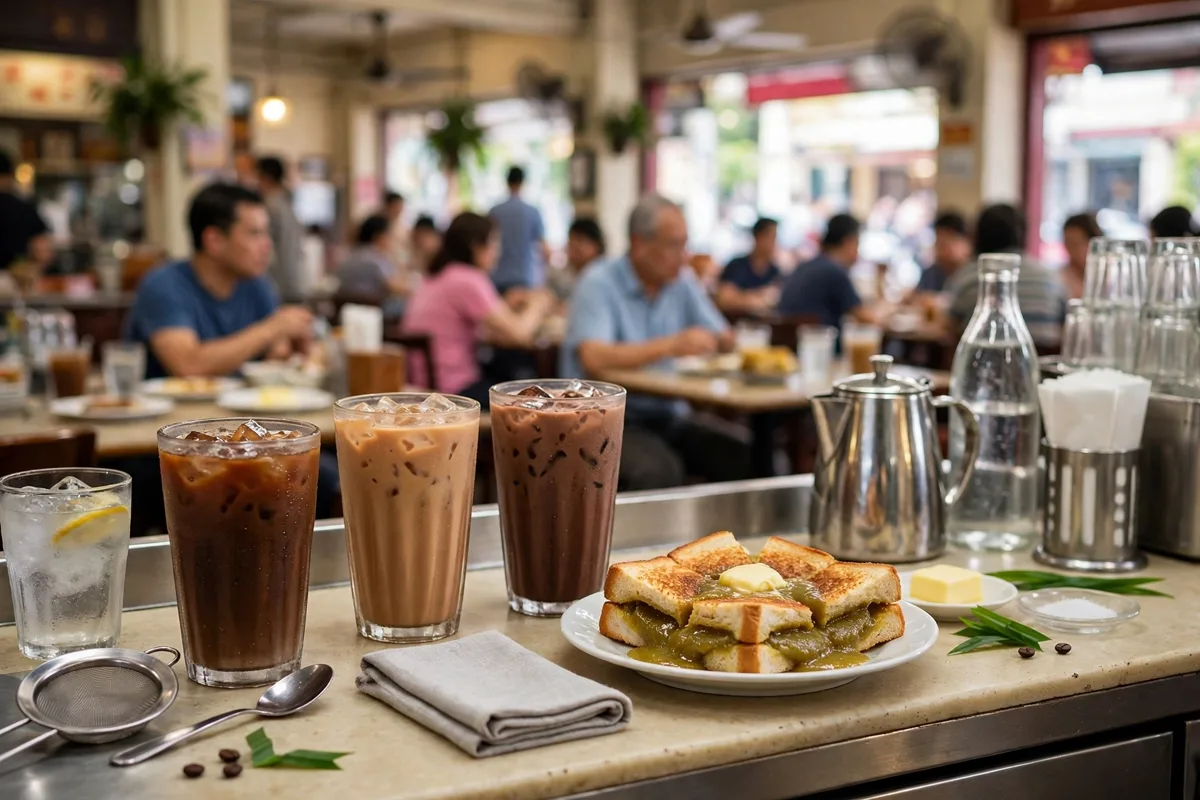
If you want to plan ahead, search for the specific outlet and stall name rather than for FoodFare in general. A search like the outlet name plus the stall dish will usually turn up recent photos, reviews or delivery listings for that exact stall. Then confirm at the board when you arrive. For halal diners, check for the certification mark in recent photos, but confirm at the stall, since certification is per stall and can change.
FoodFare menu card FAQ
Straight answers on the questions readers ask most about FoodFare menu cards.
Does FoodFare have one menu card for all outlets?
No. Each stall in a FoodFare food court displays its own menu card or board with its own dishes and prices, so there is no single chain-wide FoodFare menu card.
What dishes appear on a typical FoodFare stall menu card?
A chicken rice stall card lists steamed and roasted chicken rice and sides, a noodle stall lists laksa, ban mian or wanton mee, and a mixed rice stall lists its daily dishes. Drinks stalls list kopi, teh and iced drinks.
How do I read prices on a FoodFare menu card?
Prices sit beside each dish on the stall board, and add-ons such as extra meat, egg or noodles are listed separately. If a price is unclear, ask the stallholder before ordering, since stalls set their own prices.
Can I see FoodFare menu cards online before visiting?
No official central FoodFare menu card collection was found. Some individual stalls appear on food delivery apps or review sites, but the stall board at the outlet is the reliable source.
Do FoodFare menu cards show halal certification?
Halal stalls usually display their halal certification at the stall or on the menu board. Certification is per stall, so check the specific stall you plan to order from.
More FoodFare guides
Keep exploring the FoodFare range with the other guides in this set.