Takagi Ramen Nutrition Info and Calories Singapore 2026
Takagi Ramen doesn’t publish an official nutrition table, so there’s no takagi ramen nutritional info on the chain’s own menu to quote. What you can work with is solid general data: USDA FoodData Central entries for tonkotsu ramen put a full 500g restaurant bowl at around 600 calories, and that’s the base for every estimate in this guide. A typical Takagi Ramen menu bowl lands between 450 and 800 calories, with the Original Tonkotsu Ramen at S$10.90 sitting near the middle of that range. Every figure below is labelled an estimate, and it shifts with your broth, noodle and topping choices.
How many calories are in a bowl of Takagi Ramen?
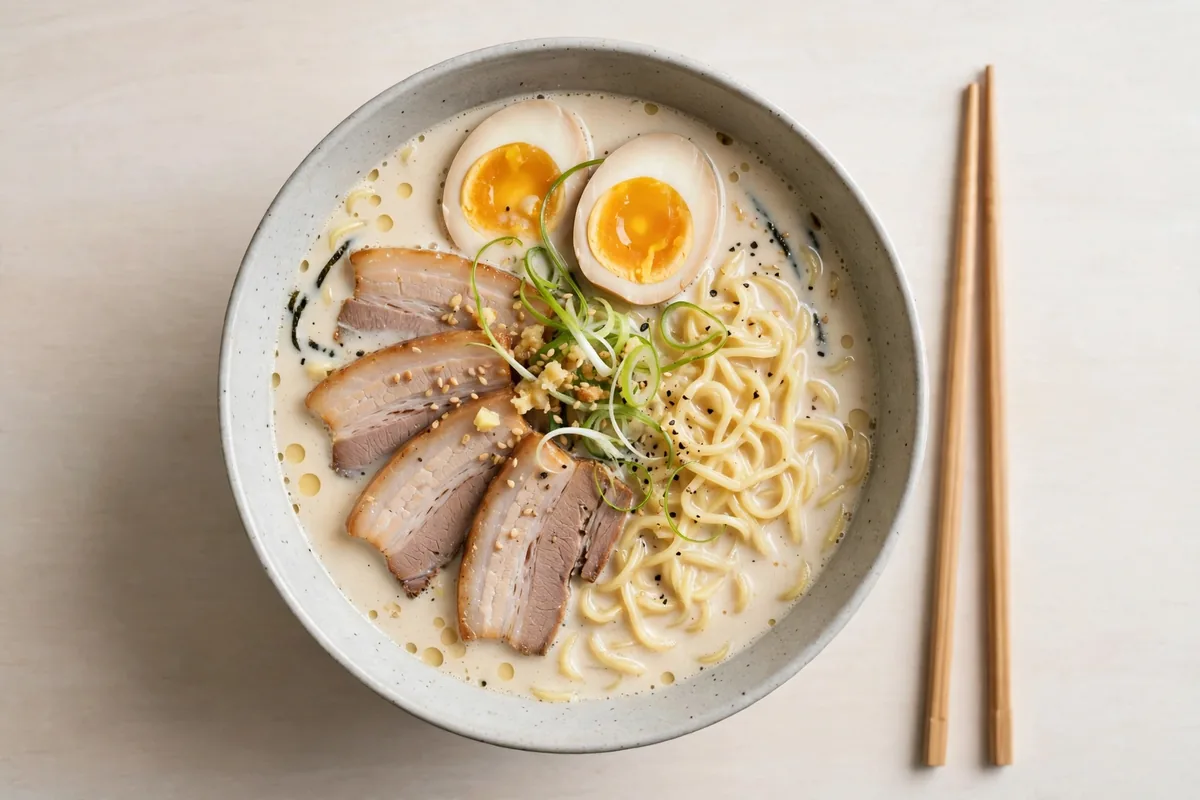
A bowl of Takagi ramen is a proper meal, not a snack. The noodles alone carry a good chunk of the calories, then the broth, the chashu and the egg stack on top. The lightest bowls are the shoyu ones, the tonkotsu bowls sit in the middle, and the bowls loaded with extra pork or a whole soft-shell crab sit at the top. Here’s the full run-down, with the verified price next to each estimate so you can weigh cost and calories together.
| Ramen bowl | Estimated calories | Price |
|---|---|---|
| Original Tonkotsu Ramen | Around 550 to 700 kcal per bowl (estimated). | S$10.90 |
| Tantanmen | Around 600 to 750 kcal per bowl (estimated). Peanut broth and pulled pork push it up. | S$11.90 |
| Karaka Ramen | Around 550 to 700 kcal per bowl (estimated). | S$10.50 to S$11.50 |
| Chashumen | Around 650 to 800 kcal per bowl (estimated). Five slices of chashu add up fast. | S$12.90 |
| Miso Ramen | Around 550 to 700 kcal per bowl (estimated). | S$10.90 |
| Mazemen (Dry Ramen) | Around 500 to 650 kcal per bowl (estimated). No broth, so a little lighter. | From S$9.90 |
| Awabi Shoyu Ramen | Around 450 to 600 kcal per bowl (estimated). The lightest bowl on the menu. | From S$7.80 |
| Nia Shoyu Ramen | Around 450 to 600 kcal per bowl (estimated). | From S$9.90 |
| Salted Egg Soft Shell Crab Ramen | Around 650 to 800 kcal per bowl (estimated). Fried crab and salted egg sauce. | From S$12.80 |
| Chilli Crab Soft Shell Crab Ramen | Around 550 to 700 kcal per bowl (estimated). | From S$10.90 |
| Heart-Attack Ramen | Around 700 to 850 kcal per bowl (estimated). The heaviest bowl on the menu. | S$13.50 |
The ranges are wide on purpose. A bowl with extra noodles, extra chashu or a kaedama refill lands at the top of its range, while a plain bowl with no add-ons sits near the bottom. The USDA base for these estimates is a 500g serving of tonkotsu pork ramen at about 600 calories, with roughly 30g of protein, 25g of fat and 60g of carbs, and that’s what the per-bowl figures above scale from.
What is the Takagi Ramen nutritional info for each bowl?
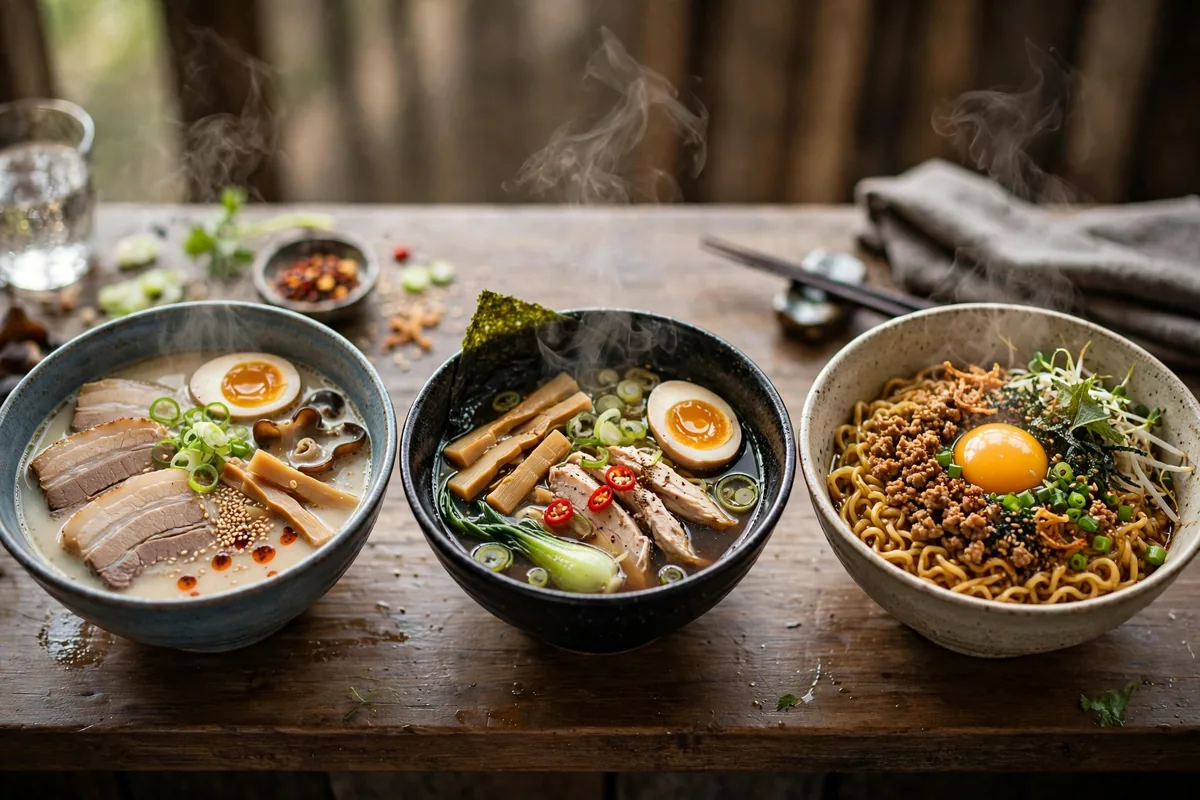
Calories only tell half the story. A ramen bowl is mostly carbs from the noodles, with a solid hit of protein from the pork and egg, and fat from the broth. The tonkotsu broth is the fattiest part of the bowl, since it is simmered from pork bones for over 12 hours, while the shoyu broth is much leaner. Here’s how the main bowls compare on the big four numbers, all estimated from general USDA ramen data.
| Ramen bowl | Calories (est.) | Protein (est.) | Carbs (est.) | Fat (est.) |
|---|---|---|---|---|
| Original Tonkotsu Ramen | 550-700 kcal | 25-35g | 55-65g | 20-30g |
| Tantanmen | 600-750 kcal | 25-35g | 55-65g | 25-35g |
| Karaka Ramen | 550-700 kcal | 25-35g | 55-65g | 20-30g |
| Chashumen | 650-800 kcal | 35-45g | 55-65g | 25-35g |
| Miso Ramen | 550-700 kcal | 25-35g | 55-65g | 20-30g |
| Mazemen (Dry Ramen) | 500-650 kcal | 20-30g | 55-65g | 15-25g |
| Awabi Shoyu Ramen | 450-600 kcal | 20-30g | 55-65g | 10-20g |
| Nia Shoyu Ramen | 450-600 kcal | 20-30g | 55-65g | 10-20g |
One thing worth noting: the protein numbers are genuinely good. Even the lightest bowl gives you around 20 to 30 grams of protein, which is a solid lunch. The carbs are high across the board, since a ramen serving is a full portion of wheat noodles, so it’s not a low-carb meal in any form. If you’re tracking macros, the bowl itself is the meal, and the sides below are where the numbers climb.
What about the sides and add-ons?
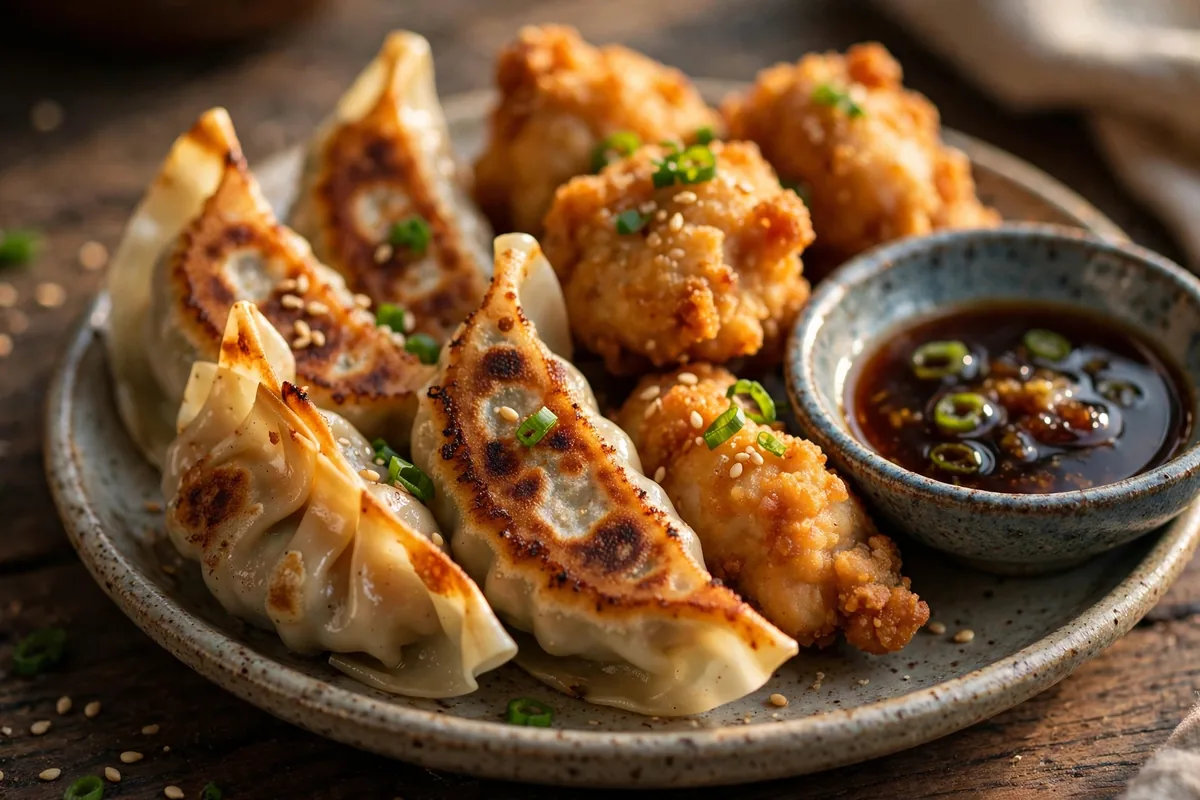
Sides are where a Takagi meal quietly grows. A bowl on its own is a reasonable lunch, but gyoza plus karaage plus a sweet drink can add another 500 calories without much effort. The ajitama egg’s the best value add-on in nutrition terms: about 70 calories for a good hit of protein at just S$1.00. The full Takagi Ramen menu card lists every side and set, and the estimates below cover the ones people order most.
| Side or add-on | Estimated calories | Price |
|---|---|---|
| Ajitama (Soft-Boiled Egg) | Around 70 kcal (estimated). The best protein-per-calorie add-on. | +S$1.00 |
| Deep-Fried Gyoza (5 pcs) | Around 250 to 300 kcal (estimated). | From S$3.50 |
| Pan-Fried Pork Gyoza (5 pcs) | Around 280 to 330 kcal (estimated). | S$4.50 |
| Ebi Fry (5 pcs) | Around 200 to 250 kcal (estimated). | S$5.90 |
| Takoyaki | Around 250 to 300 kcal (estimated). | S$5.90 |
| Chicken Karaage (6 pcs) | Around 350 to 400 kcal (estimated). | From S$7.90 |
| Fuji Five Lakes Fried Rice | Around 600 to 700 kcal (estimated). A full meal on its own. | S$10.90 |
| Kids Meal | Around 400 to 500 kcal (estimated). Smaller tonkotsu portion. | S$8.90 |
| Brown Sugar Fresh Milk | Around 150 to 200 kcal (estimated). Mostly sugar. | S$3.90 |
How much sodium is in Takagi Ramen?
Sodium is the real number to watch at Takagi, more than calories. Ramen broth is salty by design, and the tonkotsu broth is no exception. A full bowl is estimated at roughly 1,800 to 2,500 mg of sodium if you drink all the broth, and that’s close to a whole day’s recommended intake in one sitting. The general guidance in Singapore is to keep sodium under 2,000 mg a day, so one bowl can use up the full budget.
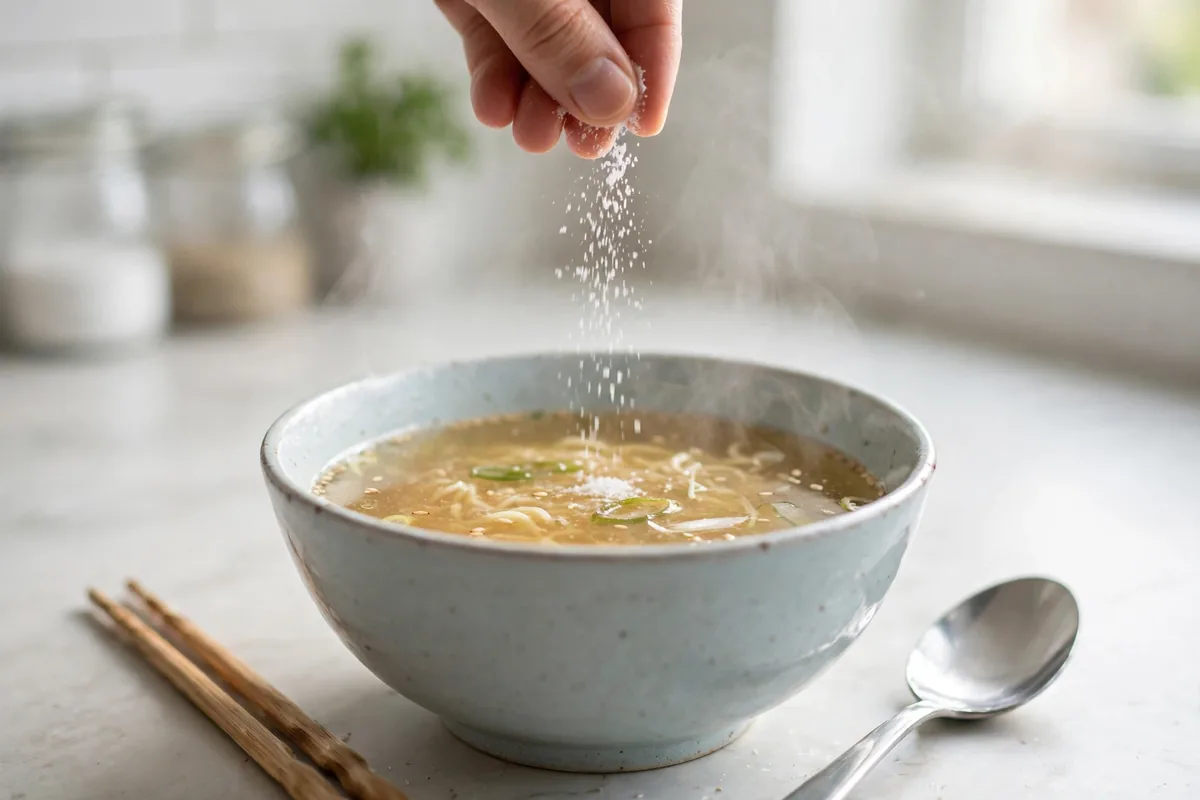
The USDA entries behind this estimate make the point clearly: a small 51g serve of pork tonkotsu ramen soup already carries about 780 mg of sodium, and a 101g serve of premium tonkotsu ramen soup carries about 1,515 mg. A restaurant bowl holds several times that amount of soup. The good news is that most of the sodium sits in the broth, not the noodles, so leaving half the broth behind cuts your sodium by roughly a third to a half. You’ll still get the full bowl of noodles and toppings, just without the saltiest part.
Which Takagi Ramen bowl is the healthiest?
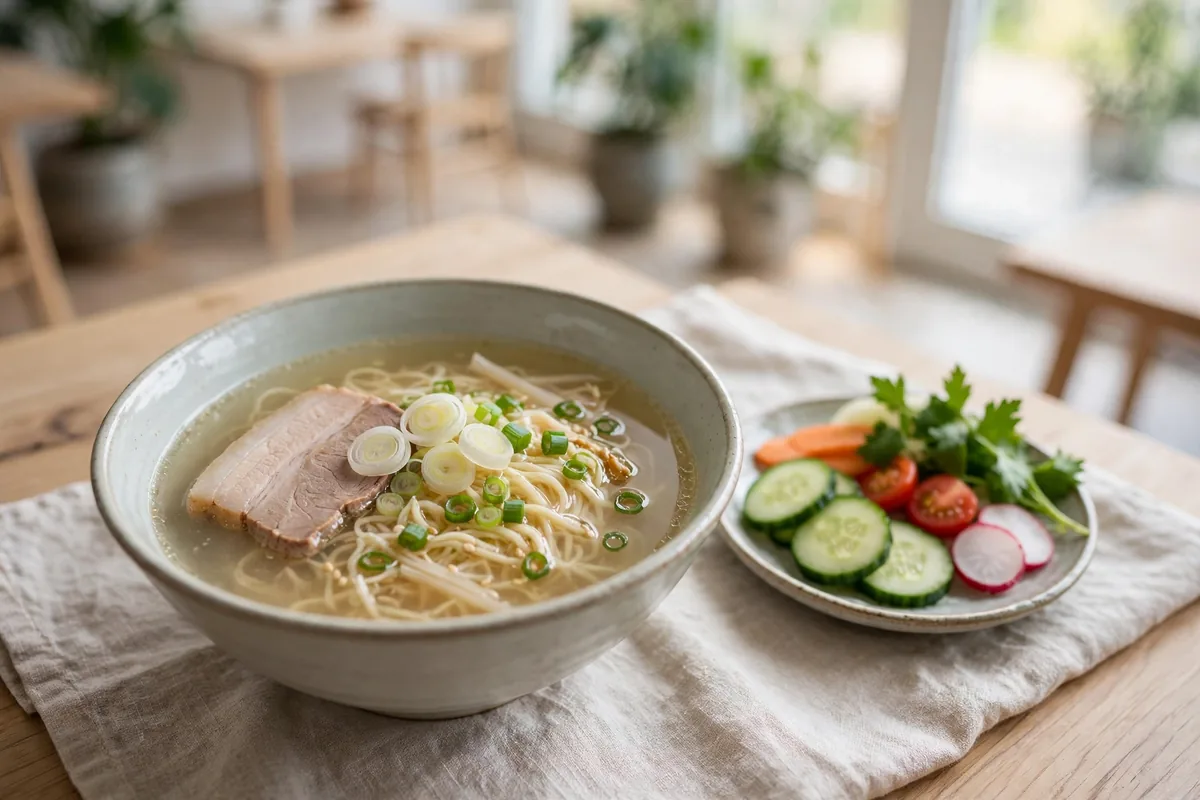
The lightest bowl on the menu is the Awabi Shoyu Ramen, estimated at 450 to 600 calories, and it’s also one of the cheapest bowls, from S$7.80. The clear soy-based broth is much leaner than the creamy tonkotsu broth, so you save on fat without giving up a full bowl of noodles. The Nia Shoyu is the same story. If you want a tonkotsu flavour without the full richness, the standard Original Tonkotsu is a better pick than the Chashumen, which adds five slices of pork and the calories that come with them.
Is the Mazemen lighter than the tonkotsu bowls?
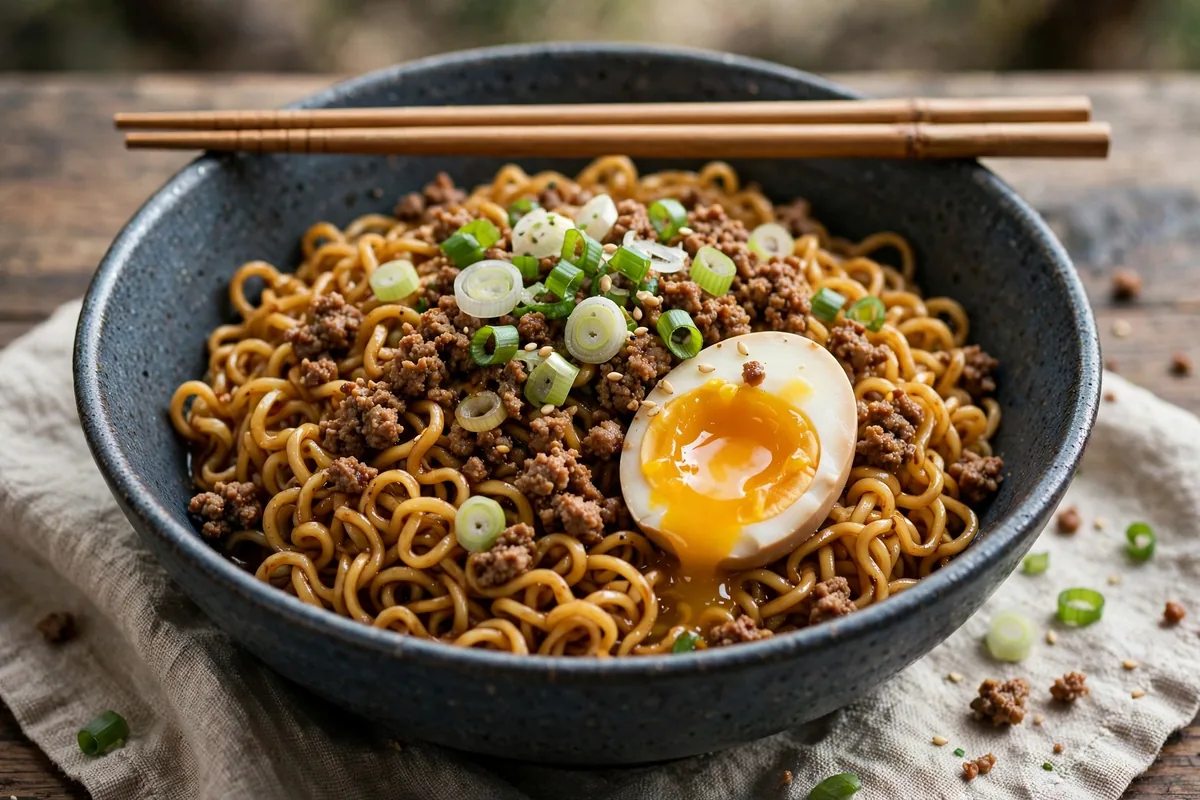
Yes, a little. The Mazemen is a dry ramen, so there’s no bowl of rich broth to drink, and it’s estimated at 500 to 650 calories against 550 to 700 for the Original Tonkotsu. That’s roughly a 100-calorie saving, which is decent but not huge. The sauce it’s tossed in is still salty, so it’s not a low-sodium choice, just a lower-fat one. If your goal is the lightest meal possible, the Awabi Shoyu still wins, but the Mazemen is the best middle ground if you love the tonkotsu flavour profile and want to skip the broth.
How can you make your Takagi Ramen order lighter?
You don’t need to give up ramen to keep the numbers in check. A few small swaps at the counter make a real difference, and none of them costs extra. It’s the easy way to keep the numbers in check. Pick a shoyu bowl over a tonkotsu bowl, skip the extra chashu, and leave half the broth in the bowl. Add an ajitama egg for protein instead of a fried side, and pick water or unsweetened tea over the brown sugar fresh milk. The cheapest Takagi value meals also keep portions modest, which helps on calories as well as cost.
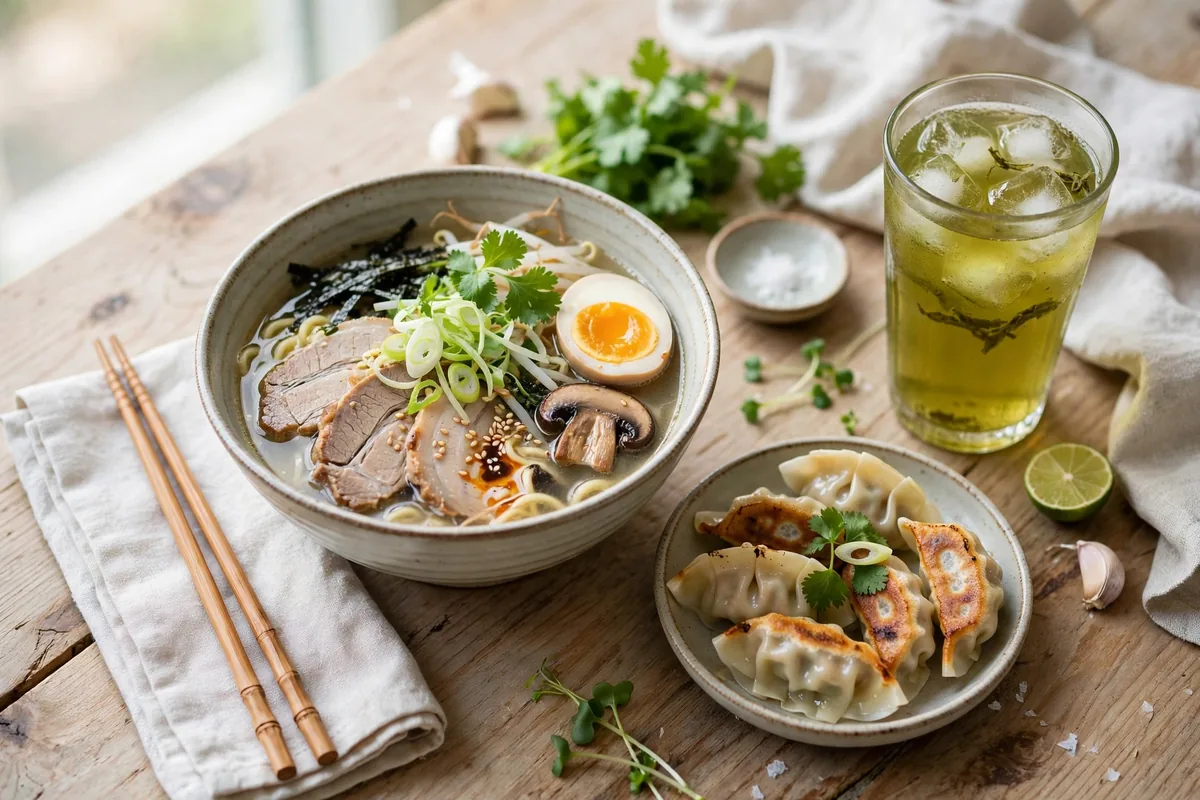
- Pick a shoyu bowl: The Awabi or Nia Shoyu runs about 100 calories lighter than the tonkotsu bowls, with much less fat.
- Leave half the broth: Most of the sodium sits in the broth, so this one move cuts sodium by roughly a third to a half.
- Skip the extra chashu: The Chashumen adds five slices of pork and roughly 100 extra calories over the standard bowl.
- Add an egg, not karaage: An ajitama egg is about 70 calories and S$1.00, while six pieces of karaage run 350 to 400 calories.
- Drink water or unsweetened tea: The brown sugar fresh milk adds 150 to 200 calories of mostly sugar.
- Share a fried side: Gyoza and karaage are easy to split, so you get the taste without the full portion.
Takagi Ramen Nutrition FAQ
Straight answers on takagi ramen nutritional info, calories, sodium and the lighter picks.
How many calories are in Takagi Ramen tonkotsu?
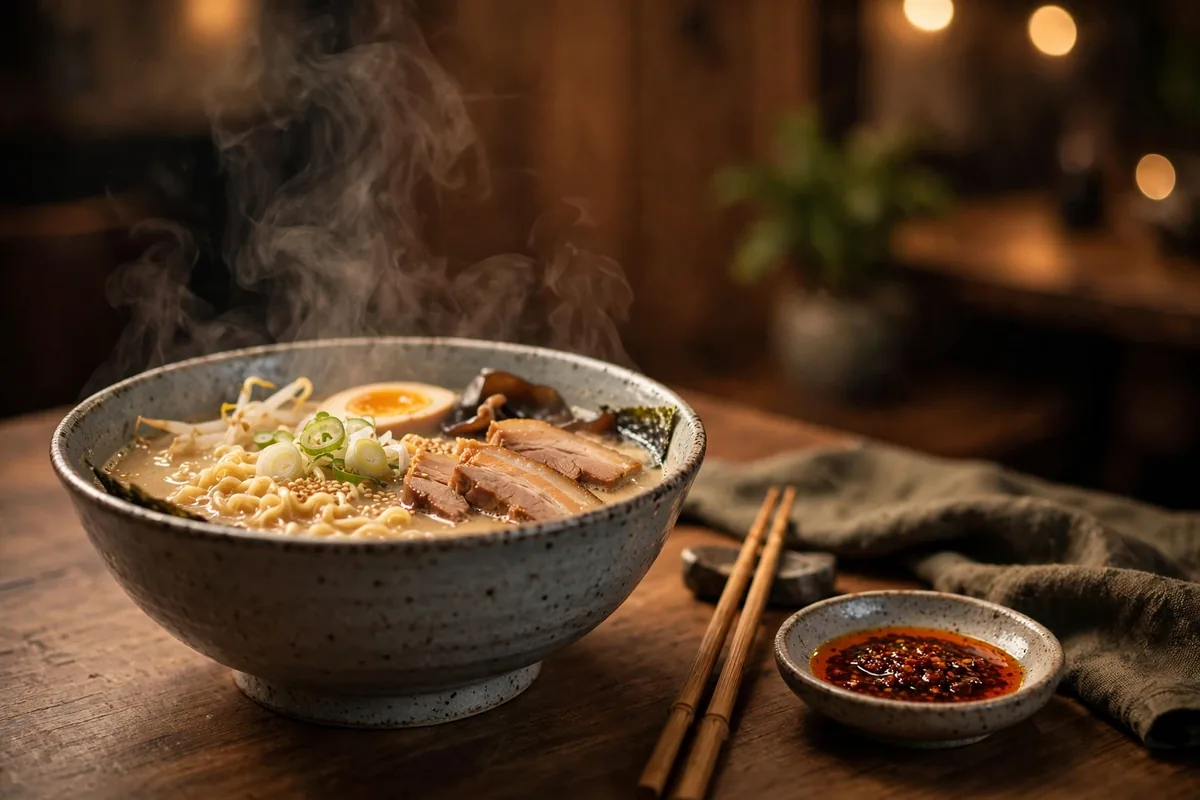
The Original Tonkotsu Ramen is estimated at 550 to 700 calories per bowl. Takagi publishes no official nutrition figures, so this is an estimate based on USDA FoodData Central general ramen data for a full restaurant bowl.
Does Takagi Ramen publish nutrition information?
No. Takagi Ramen doesn’t publish an official nutrition table for its menu. All figures in this guide are clearly labelled estimates based on USDA FoodData Central entries for comparable ramen bowls.
Which Takagi Ramen bowl is lowest in calories?
The Awabi Shoyu Ramen is the lightest pick, estimated at 450 to 600 calories per bowl, and it is also one of the cheapest bowls, from S$7.80.
Is Takagi Ramen high in sodium?
Yes. A full bowl is estimated at roughly 1,800 to 2,500 mg of sodium if you drink all the broth, which is close to a full day’s recommended intake. Leaving half the broth behind cuts that by roughly a third to a half.
How many calories are in Takagi gyoza?
Five pieces of pan-fried pork gyoza are estimated at 280 to 330 calories. The deep-fried gyoza is estimated slightly lower, at 250 to 300 calories for five pieces.
Is Takagi Ramen healthy?
It’s filling comfort food rather than a health food. A bowl gives you a solid 25 to 35 grams of protein, but it is also high in sodium and the tonkotsu broth is rich in fat. The shoyu bowls and the dry Mazemen are the lighter choices.
More noodle guides