FoodFare Value Meals
Short answer: The best value meal at FoodFare is usually the simplest one on the board at the stall in front of you, often mixed rice, a noodle soup, or a basic rice set. FoodFare is an NTUC social enterprise whose stated aim is affordable cooked food, but its food courts and hawker centres are run stall by stall, so there is no single chain-wide value menu or fixed price list. Value here means a filling plate at a fair hawker price, and the only price you can trust is the one on the stall’s board that day.
What Counts As A FoodFare Value Meal?
A value meal at FoodFare is a meal that fills you up without stretching your budget, and it is judged stall by stall. That sounds vague, but it is the reality of a food court model. FoodFare, through NTUC Foodfare and now under FairPrice Group, runs venues where independent hawkers cook their own dishes and set their own prices. So a value meal is not a branded product with a fixed recipe, it is a way of ordering smart in that setting.

The usual test is simple. Does the plate have a proper main, enough rice or noodles, and at least one vegetable, at a price you would happily pay again tomorrow? If yes, that is value, whether it is mixed rice or a bowl of noodles. Fancy toppings and extra meat push the price up fast, so value often means keeping the order basic.
Which FoodFare Meals Usually Give The Best Value?
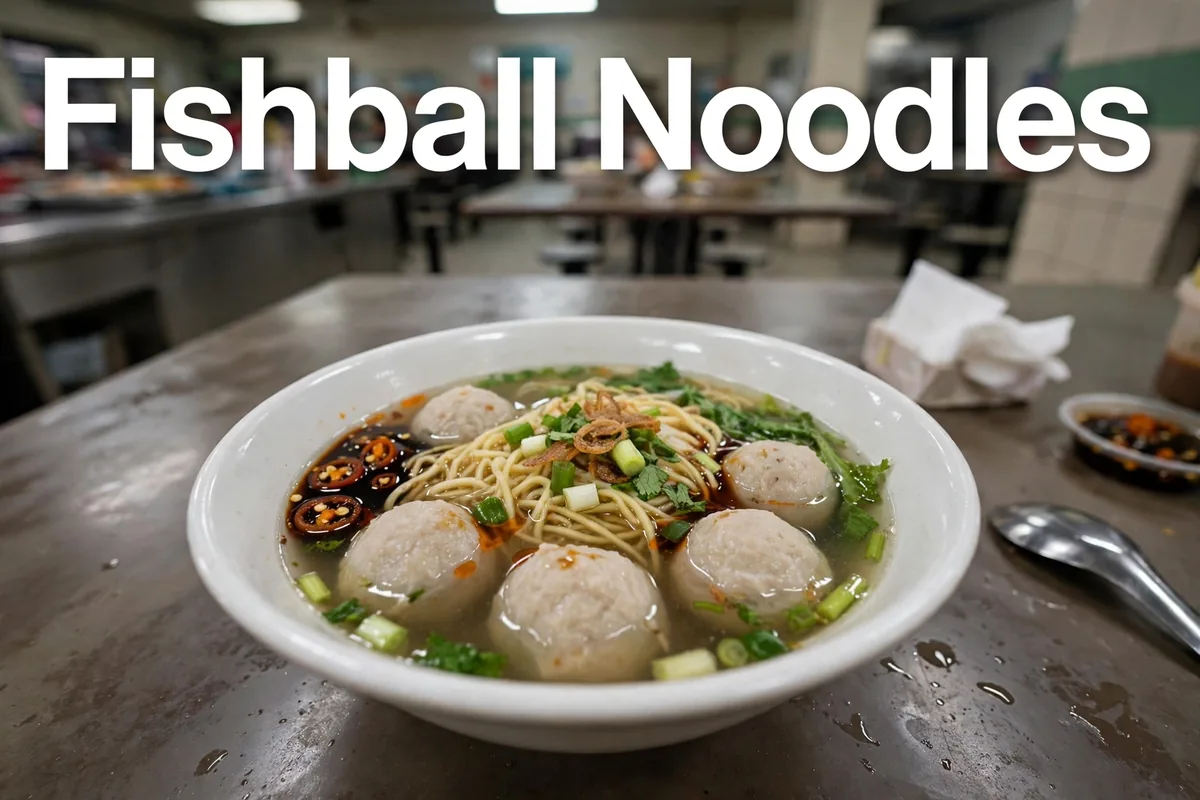
Some dish types are built for value because they are cooked in volume and use everyday ingredients. Mixed rice, known as cai fan, is the classic example, since you pick your dishes and control how much meat goes on the plate. Noodle soups such as fishball noodles are another, because one bowl covers your main and your soup in a single order. Basic rice sets, like a simple chicken rice, also tend to hold their price better than loaded plates with many add ons.
| Meal Type | Why It Tends To Be Good Value | Watch Out For |
|---|---|---|
| Mixed rice (cai fan) | You choose the dishes and the balance of meat and vegetables | Extra meat dishes add up quickly, ask the price if unsure |
| Fishball noodle soup | One bowl, filling, no extras needed | Add on dumplings or extra fish cake raise the total |
| Basic chicken rice set | Simple, consistent, widely available | Roasted or special cuts may cost more than steamed |
| Yong tau foo | You pick the pieces, soup or dry, to suit your appetite | Picking many pieces pushes the price up piece by piece |
How To Spot Value On The Board
Look for the plainest version of a dish first. The board often lists a basic bowl or set, then a list of add ons beneath it. Start from the basic price, then decide if any add on is worth it to you. If a stall only lists loaded versions, walk a few stalls down, since the next stall may offer the same dish in a simpler form.
How Do You Save More At A FoodFare Food Court?
A few habits stretch a food court budget further than any single deal. Eat the basic set rather than the premium version, drink plain water or the cheapest drink on offer, and skip add ons you do not really want. Sharing a side dish between two people also works well, especially with mixed rice, where one extra vegetable dish can round out two plates.
Timing helps too, though not in the way chain promos do. Lunch crowds mean queues, not discounts, at most hawker stalls. Going slightly before or after the peak still gets you the same dish with less waiting, and some stalls may have fewer queues for their basic sets. The saving is in time and stress as much as money, and that counts on a workday lunch break.
Value For Families And Students
For families, mixed rice is often the easiest value choice, because children can pick plain dishes they will actually eat. For students, a single noodle soup or a basic rice set keeps lunch simple and predictable. In both cases, the rule is the same, order what you will finish, since wasted food is the most expensive part of any meal.
What About Those Old Budget Prices You See Quoted Online?
You may come across old reports about very low FoodFare prices, and they need context. For example, when the Bukit Panjang Hawker Centre and Market opened in 2016, NTUC reported that its Rice Garden stall offered a rice meal with two vegetables and one meat dish at a low price, with lower prices for seniors, students, national servicemen, union members and Comcare holders. That was a 2016 opening report, not a current price list, and it applied to that centre at that time.
Do not use old prices as a guide today. Prices, stalls and offers at FoodFare venues have changed since 2016, and we could not verify any current chain-wide value price list. Treat any old figure you see online as history, and always check the stall board on the day you visit.
This matters because outdated prices cause the most confusion for visitors. If you arrive expecting a 2016 price, you will be disappointed, and the hawker will rightly point to today’s board. The fair expectation is a reasonable hawker price for a filling plate, not a frozen price from a decade ago.
FoodFare Value Meals FAQs
Is there an official FoodFare value menu?
No. Value meals are stall by stall choices, not a single menu published for all FoodFare venues.
What is the cheapest filling meal at FoodFare?
It varies by stall, but mixed rice, basic noodle soup and basic rice sets are usually among the lowest priced filling options. Check the board at your stall.
Do FoodFare stalls offer student or senior discounts?
Some stalls and centres have offered targeted prices in the past, but there is no verified chain-wide discount scheme today. Ask the stall if a concession applies.
Are drinks included in value meals?
Not as a rule. Many basic sets are food only, so budget for a drink separately if you want one.
Is tap water available at food courts?
Many Singapore food courts have water coolers or stalls selling drinks, but availability varies by venue. Ask a staff member if you cannot spot one.
So, How Should You Order For Value At FoodFare?
Keep it basic, read the board, and pick the plate you will finish. Mixed rice with a sensible mix of dishes, a straightforward noodle soup, or a simple rice set will usually beat a loaded premium plate on value. FoodFare’s strength is not a single bargain product, it is a whole court of hawkers cooking everyday food at hawker prices. Use that variety, compare two boards before you queue, and you will eat well without overspending.
Related FoodFare guides: FoodFare Menu, FoodFare Menu Card, FoodFare Breakfast Menu