Ramen Keisuke Halal Certified
Is ramen keisuke halal certified? No, it isn’t. Ramen Keisuke holds no MUIS halal certification at any Singapore outlet, and Singapore food guides list its Tonkotsu King and Tori King branches plainly as not halal. The full Ramen Keisuke menu is built around pork-bone broth and pork chashu, so this guide explains exactly why certification doesn’t apply, what the chicken and seafood bowls do and don’t change, and where to find certified halal ramen instead.
Is Ramen Keisuke halal certified?
No, and the evidence is consistent across sources. GetGo’s Singapore ramen guide lists Ramen Keisuke Tonkotsu King with the halal status “Not halal”. Eatbook’s Tanjong Pagar food guide states that Ramen Keisuke Tori King “is not halal-certified”. Monster Day Tours notes the same for the Lobster King outlet at Clarke Quay: “Ramen Keisuke is not Halal-certified.” The chain’s own site, keisuke.sg, shows no halal claim or certificate anywhere, and no MUIS halal certification for any Keisuke outlet turned up in checks done for this guide.
| Outlet or concept | Halal status | Source |
|---|---|---|
| Tonkotsu King, Tanjong Pagar | Not halal | GetGo Singapore ramen guide lists the halal status as Not halal. |
| Tori King, 100AM Tanjong Pagar | Not halal-certified | Eatbook Tanjong Pagar food guide states it is not halal-certified. |
| Lobster King, Clarke Quay | Not Halal-certified | Monster Day Tours Singapore River guide notes it is not Halal-certified. |
| Keisuke Group, all Singapore outlets | No MUIS certificate found | No halal claim on keisuke.sg and no MUIS certification found for any outlet. |
That matters because Singapore’s halal standard is strict: a restaurant needs MUIS certification covering its ingredients, suppliers and kitchen, and it has to display the certificate. A place can’t be “sort of halal” because one dish has no pork in it. If the certificate isn’t there, the answer is no, and at Keisuke it isn’t there at any branch.
Why is Ramen Keisuke not halal?
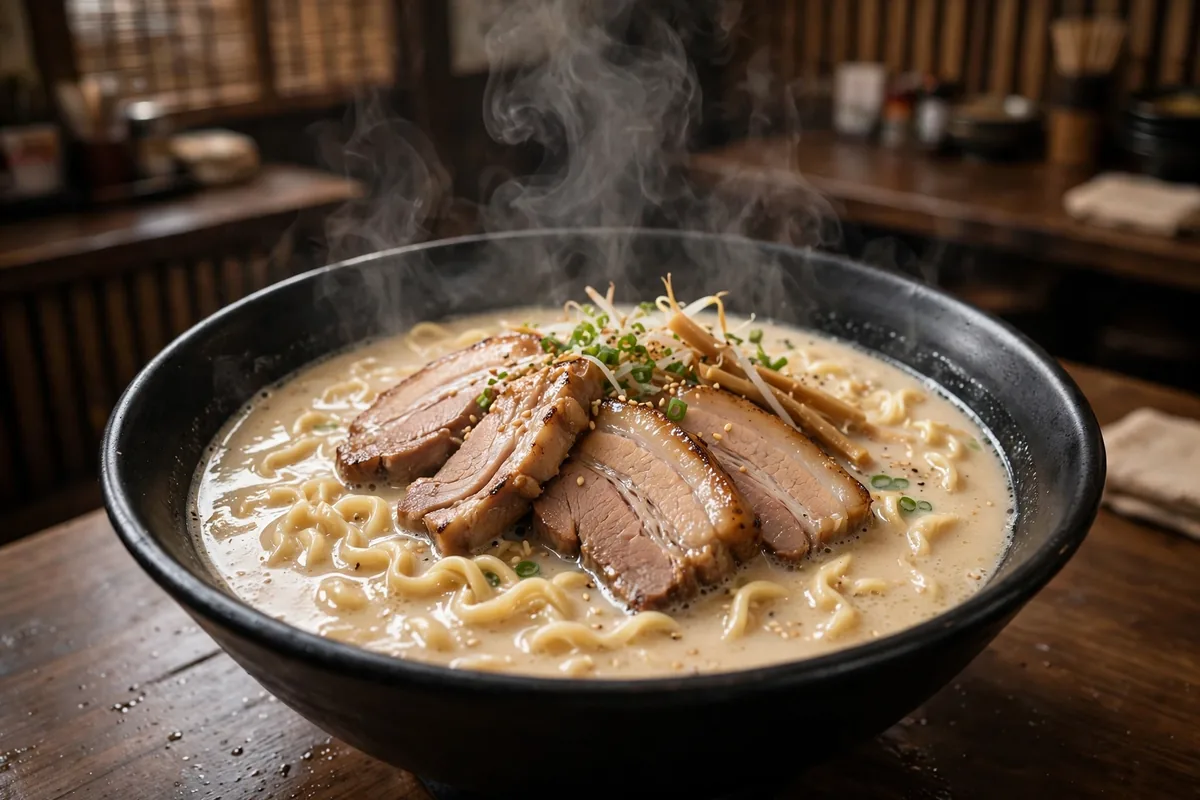
The reason starts with the broth. Tonkotsu means pork-bone broth, simmered for hours until it turns creamy and white, and it’s the base of the chain’s signature bowls: the Tonkotsu King, the Black Spicy Tonkotsu, the Red Spicy Tonkotsu and the Niku King all sit on it. The toppings carry pork too, with chashu pork slices, stir-fried pork and pork belly across the menu. Pork is the heart of the Keisuke menu, not a side note, so certification would mean rebuilding the whole kitchen around different broths, which the chain has never done.
| Menu item | Why it isn’t halal | What to know |
|---|---|---|
| Tonkotsu King Ramen | Pork-bone broth | Signature bowl. Pork broth plus pork chashu, from a reported S$14.90. |
| Black and Red Spicy Tonkotsu | Pork-bone broth | Same pork base with garlic oil or chilli oil. Reported S$12.90 and S$14.90. |
| Niku King Tonkotsu | Pork-bone broth, extra pork | The most pork-heavy bowl on the menu, reported S$15.90++. |
| Tori King Ramen (chicken) | Not certified | Chicken broth, but no halal certification and no statement that the chicken is halal slaughtered. Same kitchen as the pork bowls. |
| Lobster King Ramen | Not certified | Seafood broth, but served in the same uncertified kitchen. Not a halal option. |
| Gyoza | Pork filling | Pan-fried pork gyoza, reported S$3 for 3 pieces and S$6 for 6. |
What about the chicken and seafood bowls?
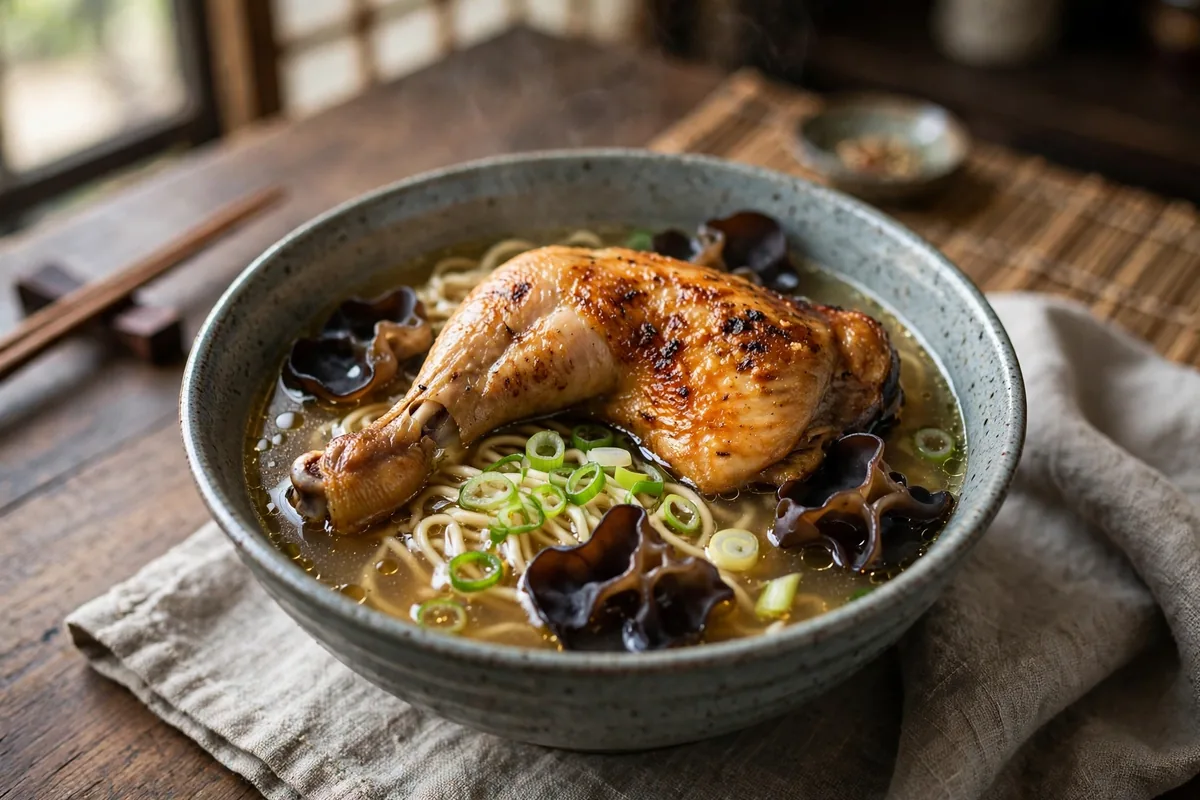
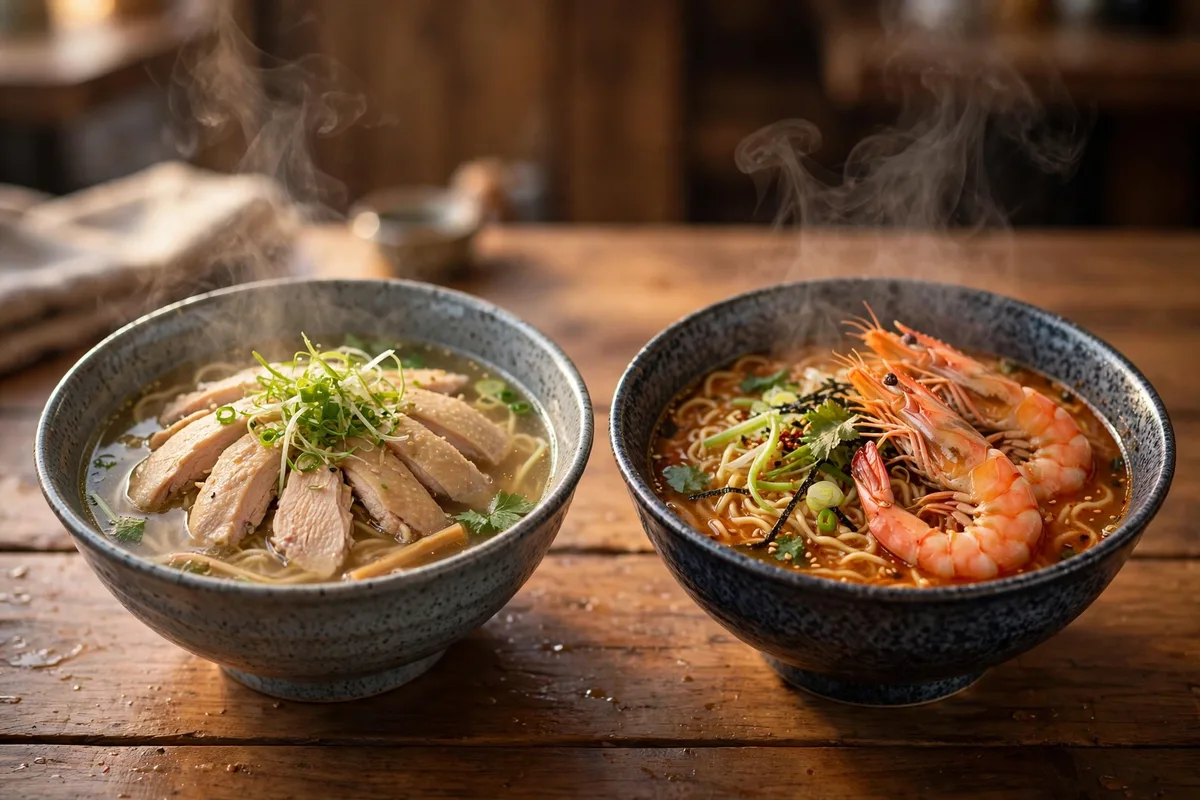
This is the question that trips people up, so it’s worth a straight answer. The Tori King chicken ramen sounds safe because it’s chicken, but chicken alone doesn’t make a dish halal: the meat has to be halal slaughtered, the kitchen has to be certified, and the broth, sauces and cooking surfaces have to be free of pork contact. Keisuke states none of that for Tori King, and Eatbook lists it as not halal-certified. The Lobster King seafood broth has the same problem in a different shape: no pork in the bowl itself, but it’s cooked and served in a kitchen that handles pork all day, with no MUIS certification. If you eat halal strictly, neither bowl works. For the price side of these bowls, the Ramen Keisuke cheapest items guide shows that the cheapest bowls are the pork-based ones, and the Ramen Keisuke best sellers guide ranks the bowls most diners actually order.
Where can you get halal ramen in Singapore instead?
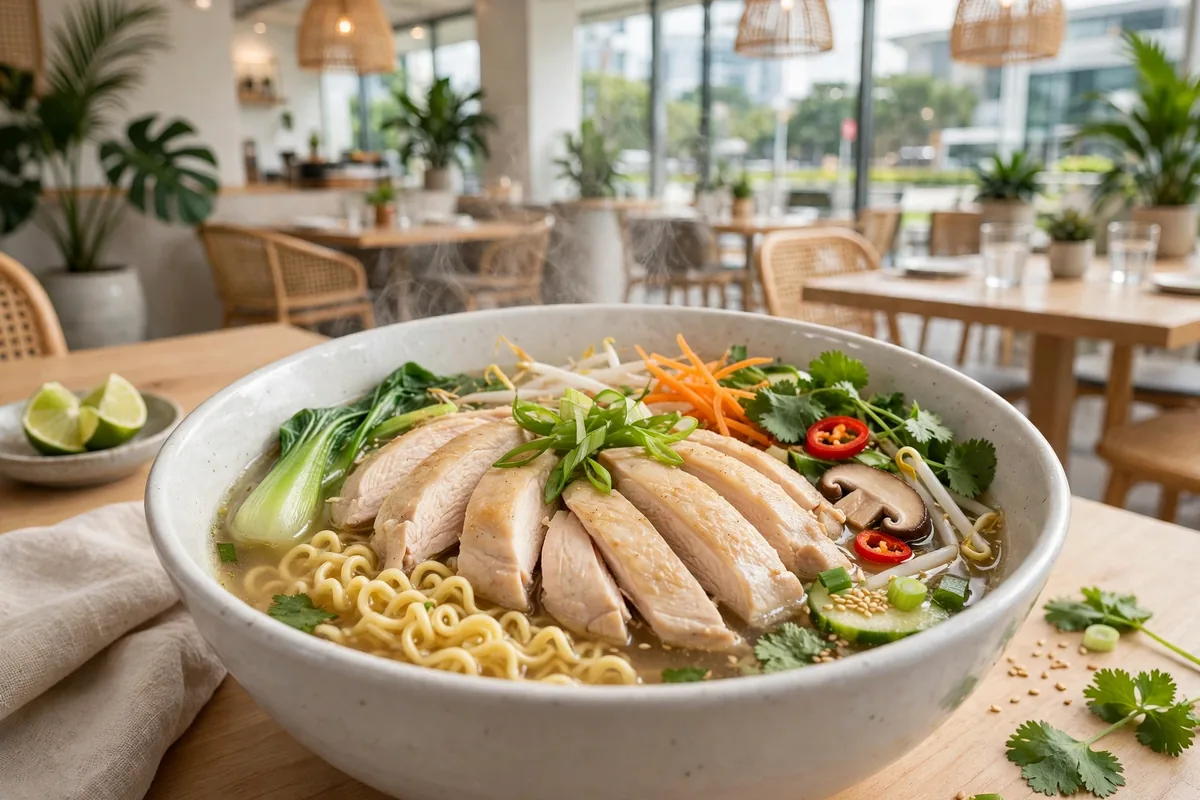
Singapore has proper certified halal ramen, and the best-known name is Woke Ramen, a MUIS-certified shop serving halal ramen at Changi Airport Terminal 1 and Compass One in Sengkang. Its menu covers chicken chashu ramen and chicken gyoza, including mala versions, and it was built from the start as a halal concept, which is the opposite of Keisuke’s pork-first kitchen. That’s the right shape of alternative: certified from the ground up, not a pork shop with one chicken bowl.
| Halal ramen option | Where | What to check |
|---|---|---|
| Woke Ramen | Changi T1, Compass One | MUIS-certified. Chicken chashu ramen, chicken gyoza, mala options. |
| Other certified shops | Varies by area | Search the MUIS halal directory for ramen near you, and look for the certificate on display in store. |
Before you order anywhere, check the certificate on the wall or the MUIS halal directory online. Certificates expire and change hands, and a shop that was certified last year might not be certified today. The same check cuts the other way too: if Ramen Keisuke ever does get certified, the MUIS directory and a certificate on display will be the proof, not a blog post. Until then, the answer stays no.
Ramen Keisuke Halal Certified FAQ
Straight answers on the questions readers ask most about this guide.
Is Ramen Keisuke halal certified in Singapore?
No. Ramen Keisuke is not halal certified in Singapore, and no MUIS halal certification for any of its outlets was found. Singapore food guides list its Tonkotsu King and Tori King outlets as not halal.
Why is Ramen Keisuke not halal?
Its signature broth is tonkotsu, made from pork bones, and its toppings include pork chashu. The chicken-based Tori King bowls are also not certified, and the chicken is not stated to be halal slaughtered.
Can Muslims eat at Ramen Keisuke?
Muslim diners who follow halal strictly should not eat at Ramen Keisuke, since the kitchen handles pork across its bowls and no outlet holds MUIS certification. Certified halal ramen shops are the safer choice.
Is the chicken ramen at Ramen Keisuke halal?
No. The Tori King chicken ramen is not halal certified, and Eatbook lists it as not halal-certified. Chicken alone does not make a dish halal without certified sourcing and a certified kitchen.
Where can I find halal ramen in Singapore?
Woke Ramen is MUIS-certified and serves halal ramen at Changi Airport Terminal 1 and Compass One. Always check the MUIS halal directory or the certificate on display before ordering.