Seorae Nutrition Info Prices Singapore 2026
The Seorae nutrition info starts with one honest fact: Seorae does not publish nutrition data for its menu in Singapore. Every calorie and macro figure in this guide is an estimate, built from standard food databases like USDA FoodData Central and the Korean K-FIND database, and each one is labelled as an estimate. A 150g plate of galmaegisal runs about 380 calories, pork belly about 600 for 200g, and a bowl of bibimbap about 500, so this guide gives you the numbers to order with your eyes open.
What is the nutrition info for Seorae dishes?
This table is the heart of the guide. Calories are estimates per serving as Seorae serves it, and the price column uses verified menu prices, so you can weigh cost and calories side by side. The stew figures come from the Korean K-FIND database, the pork belly figure lines up with samgyeopsal aggregator values of about 330 calories per 100g, and the rest are estimates from standard values for the same cuts and dishes. Marinades add sugar and sodium, grilling renders some fat away, and portions vary, so treat every number as a guide, not a lab result.
| Dish | Serving | Calories (est.) | Protein | Carbs | Fat | Price |
|---|---|---|---|---|---|---|
| Kimchi Jjigae | 1 bowl, before rice | ~115 kcal | ~11g | ~3g | ~7g | S$16.90 |
| Doenjang Jjigae | 1 bowl, before rice | ~115 kcal | ~9g | ~11g | ~4g | S$16.90* |
| Japchae | 1 serving | ~400 kcal | ~12g | ~55g | ~10g | S$16.90 |
| Dakgalbi | 250g grilled chicken | ~450 kcal | ~40g | ~10g | ~28g | S$19.90 |
| Galmaegisal | 150g pork skirt | ~380 kcal | ~28g | ~4g | ~26g | S$24.90 |
| Yangnyeom Moksal | 200g pork collar | ~450 kcal | ~30g | ~8g | ~32g | S$21.90 |
| Bibimbab | 1 bowl, 350g | ~500 kcal | ~24g | ~66g | ~15g | S$15.90 |
| Woosamgyeob | 200g beef short plate | ~500 kcal | ~28g | ~10g | ~38g | S$29.90 |
| LA Galbi | 200g beef short ribs | ~550 kcal | ~30g | ~12g | ~40g | S$32.90 |
| Black Pork Samgyeobsal | 200g pork belly | ~600 kcal | ~30g | ~10g | ~50g | S$26.90 |
| Tteokbokki | 1 serving | ~350 kcal | ~8g | ~60g | ~8g | S$17.90 |
| Chicken Dosirak | 1 serving | ~450 kcal | ~20g | ~55g | ~15g | S$14.90 |
*Doenjang jjigae price is the chadol doenjang jjigae at S$16.90 from the March 2025 price list. A bowl of steamed rice adds roughly 200 calories, so a stew plus rice lands near 315 calories, still the lightest full meal on the menu. The drinks add up quietly too: a can of CASS beer runs about 150 calories, and a glass of soju about 100, so a somaek round can add 250 calories before you touch the food.
How many calories are in Seorae galmaegisal?
A 150g serving of Seorae galmaegisal has an estimated 350 to 400 calories, with about 28g of protein, 26g of fat and 4g of carbs. Galmaegisal is pork skirt, the cut between the ribs and the belly, and it carries less fat than pork belly, which is why it lands well below samgyeobsal on calories even though both are pork. The marinade adds a little sugar and sodium, and grilling renders some fat onto the plate, so the real number moves a bit either way.
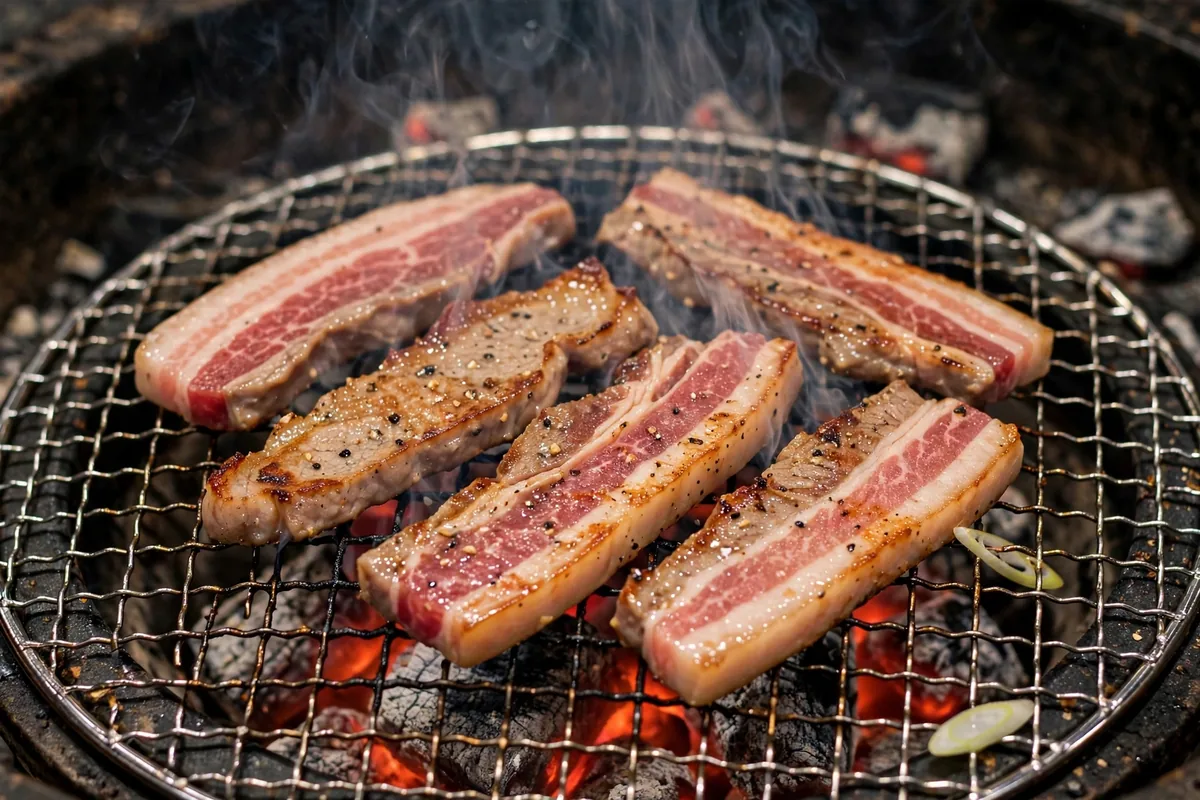
One plate of galmaegisal is about a fifth of a 2,000 calorie day, which makes it a reasonable main if the rest of the table stays light. Pair it with lettuce wraps and banchan vegetables instead of a second fatty cut, and the meal stays balanced. Order two plates of galmaegisal for yourself plus rice and a stew, and you are closer to 1,000 calories, which is a full dinner, not a light one.
Galmaegisal vs samgyeobsal calories
Side by side, the difference is stark. Galmaegisal at 150g runs about 380 calories, while samgyeobsal at 200g runs about 600, and the gap is almost all fat: about 26g against about 50g. USDA data puts raw pork belly at 518 calories per 100g, one of the fattiest cuts you can order, while pork skirt sits closer to lean pork. If you love pork belly, order one plate to share and make the second plate galmaegisal or dakgalbi, and you get the flavour without doubling the fat.
What are the healthiest options at Seorae?
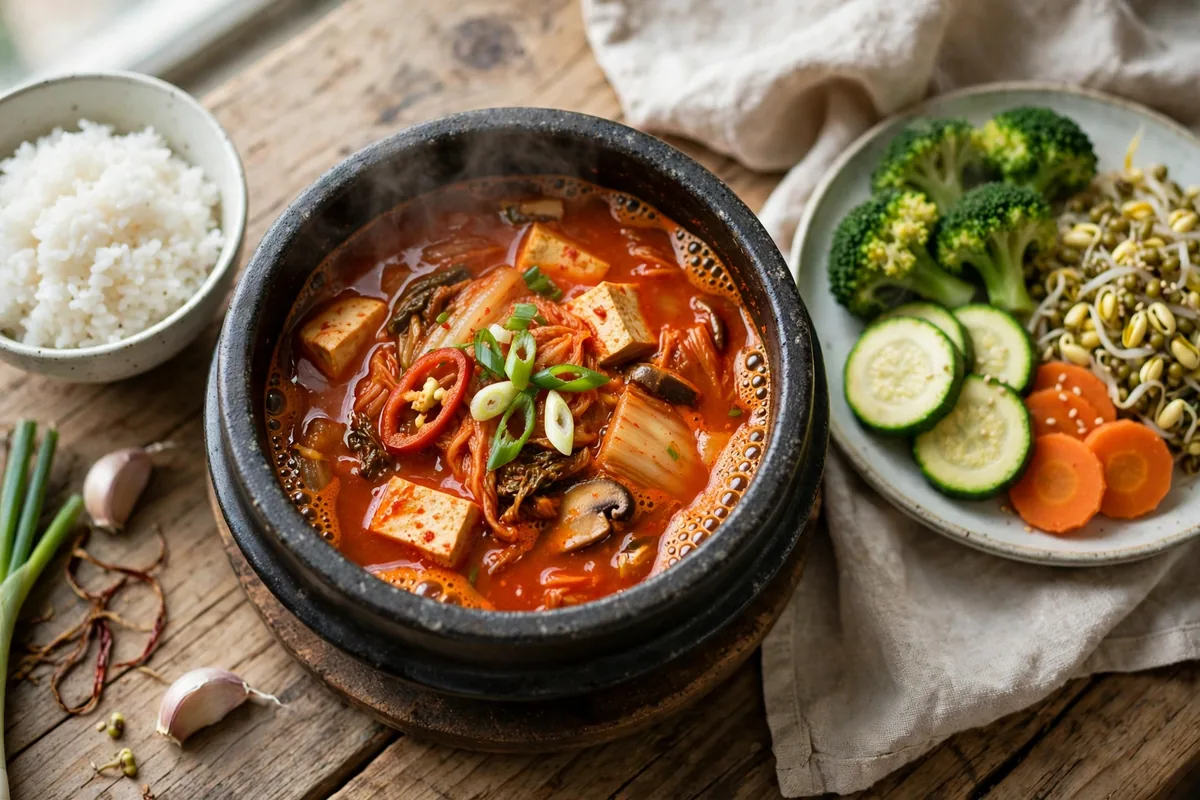
The healthiest options at Seorae are the stews, then the chicken, then the vegetable-heavy rice dishes. Kimchi jjigae and doenjang jjigae both sit near 115 calories a bowl before rice, and they bring fermented vegetables, tofu and real broth to the table. Dakgalbi is the leanest grilled meat at about 450 calories for 250g, with about 40g of protein, and bibimbap brings the most vegetables in a single bowl at about 500 calories.
| Rank | Healthiest pick | Why it works | Calories (est.) |
|---|---|---|---|
| 1 | Kimchi Jjigae | Fermented kimchi, tofu, light broth, low fat | ~115 kcal |
| 2 | Doenjang Jjigae | Soybean paste stew with tofu and seafood | ~115 kcal |
| 3 | Japchae | Vegetable-heavy glass noodles, moderate calories | ~400 kcal |
| 4 | Dakgalbi | Leanest grilled meat, high protein | ~450 kcal |
| 5 | Bibimbab | Most vegetables in one bowl, balanced macros | ~500 kcal |
Banchan is the free health win on the table. The kimchi, pickled cucumber, bean sprouts and salad are low calorie and refillable, so fill up on those before the meat arrives. For the mildest dishes from this list, including the ones kids handle best, the Seorae kids menu guide picks them out one by one.
Lighter picks that still taste like BBQ
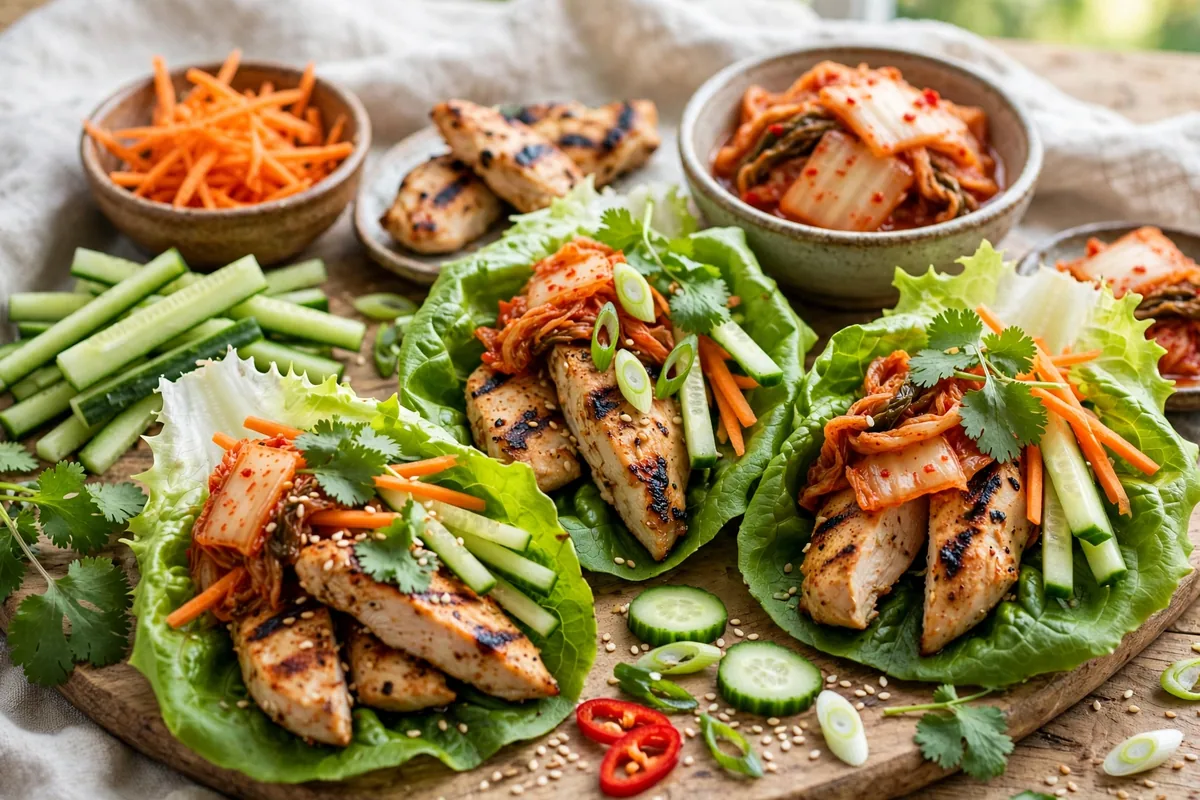
Eating light at a BBQ joint sounds like a contradiction, but the grill itself helps. Dakgalbi, galmaegisal and yangnyeom moksal all cook over charcoal, which renders fat away instead of frying it in, and the lettuce wraps replace rice as the vehicle for the meat. Ask for the garlic or original galmaegisal instead of the spicy version if you want less sugar from the marinade, and let the free grilled egg cook on the side of the grill, since one egg adds about 70 calories and real protein.
How can you keep a Seorae meal lighter?
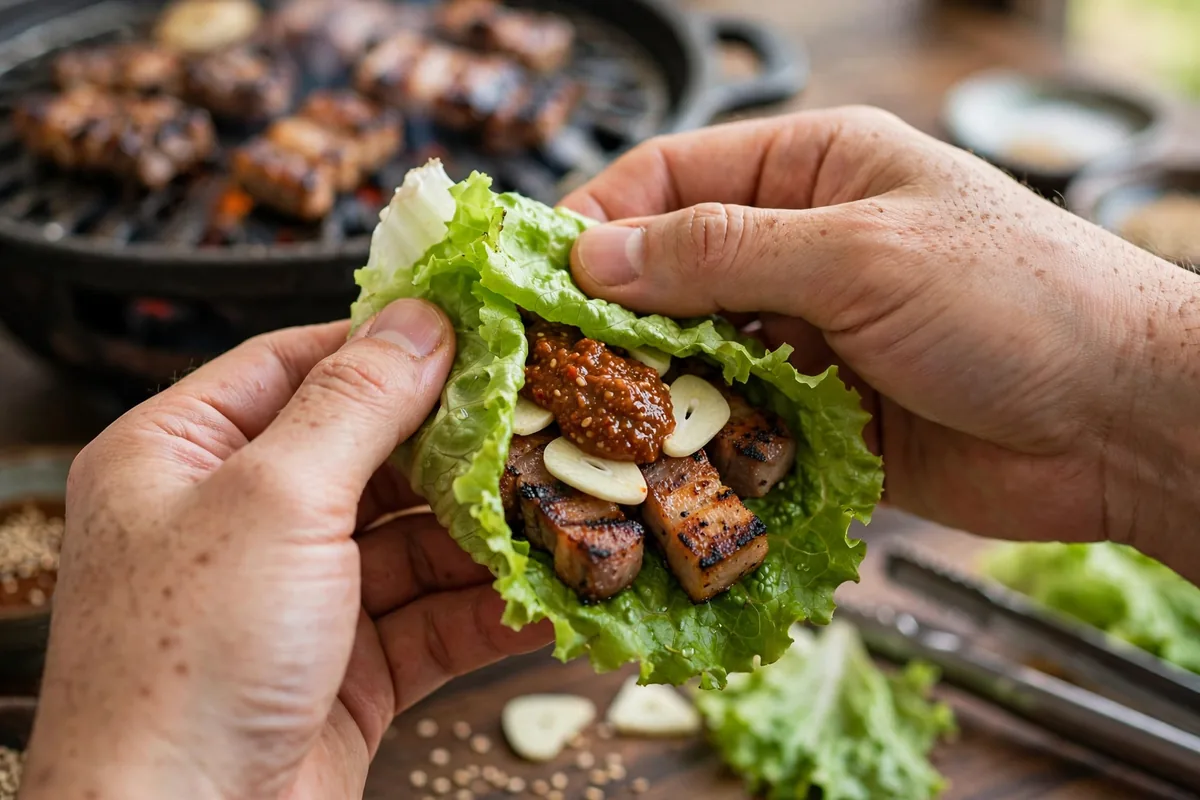
Keep a Seorae meal lighter with five small choices that add up. First, wrap the meat in lettuce instead of eating it with rice, which saves about 200 calories a bowl. Second, skip the S$2 cheese on the grill, since melted cheese adds fat fast. Third, share one fatty cut like samgyeobsal and make the second cut chicken or galmaegisal. Fourth, load up on free banchan vegetables before the meat arrives, so you eat less meat without feeling short. Fifth, drink water or the free soft drink at lunch instead of soju, since a somaek round adds about 250 calories on its own.
Lunch is the easiest time to eat light, since the weekday sets from S$10.90 bundle a stew or rice bowl with free soup, banchan and a soft drink, and the portions are smaller than a dinner spread. For the full lunch breakdown, the Seorae breakfast menu guide covers the morning and lunch sets in detail.
Seorae nutrition info FAQ
Straight answers on the questions readers ask most about Seorae nutrition.
Does Seorae publish nutrition information?
No. Seorae does not publish nutrition data for its menu in Singapore. The figures in this guide are honest estimates built from standard food databases such as USDA FoodData Central and the Korean K-FIND database, and every figure is labelled as an estimate.
How many calories are in Seorae galmaegisal?
A 150g serving of Seorae galmaegisal has an estimated 350 to 400 calories, with about 28g of protein, 26g of fat and 4g of carbs. Galmaegisal is leaner than pork belly, so it sits well below samgyeobsal at about 600 calories for 200g.
What is the healthiest dish at Seorae?
Kimchi jjigae is the lightest main at Seorae, at an estimated 115 calories per bowl before rice, followed by doenjang jjigae at about the same. For a grilled option, dakgalbi chicken is the leanest meat on the grill at an estimated 450 calories for 250g.
How many calories are in a Seorae bibimbap?
A bowl of bibimbap has about 500 calories, based on the Korean K-FIND database value of 497 calories for a 350g bowl, with about 66g of carbs, 24g of protein and 15g of fat. Gochujang sauce adds a little more sugar and sodium.
Is Seorae Korean BBQ healthy?
It depends on what you order. Grilled chicken, stews and lettuce wraps with plenty of banchan vegetables are reasonable, while pork belly, cheese on the grill and soju rounds push the calories up fast. Sharing one fatty cut and one lean cut is the easiest way to keep a meal balanced.
More Seorae guides
Keep exploring the Seorae range with the other guides in this set.